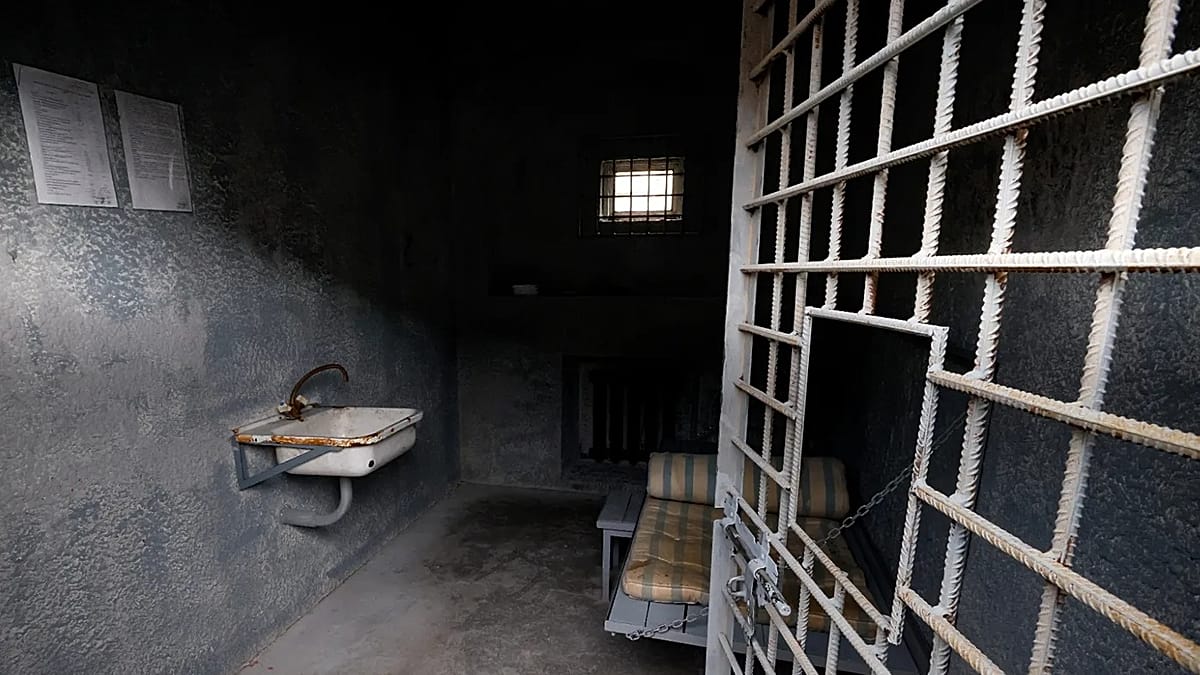
Russia's prison population has plummeted by nearly 40% over the past five years, a decline driven in large part by Moscow's policy of recruiting convicts to fight in Ukraine, the head of the country's penitentiary service confirmed on Thursday.
Arkady Gostev, director of Russia's Federal Penitentiary Service, told state news agency TASS that the number of inmates fell from 465,000 at the end of 2021 to 282,000 today. Of those, roughly 85,000 are held in pre-trial detention. The drop of more than 180,000 prisoners reflects a broader trend that has accelerated since Russia launched its full-scale invasion of Ukraine in February 2022.
Convicts as Cannon Fodder
Since the war began, the Kremlin has offered prisoners army contracts in exchange for a pardon or reduced sentences—provided they survive the front lines. This recruitment drive has been a key factor in the population decline, alongside a shift toward suspended sentences and alternative punishments, Gostev said.
The policy has drawn criticism from human rights groups, who note that returning convicts have contributed to rising crime and social tensions in Russian communities. The practice echoes Soviet-era penal battalions, though on a larger scale.
Russia's prison system, inherited from the Soviet Gulag, has long been one of the world's largest. The current reduction, however, is unprecedented in peacetime—or in what Moscow calls a "special military operation."
Prison Labor Fuels War Economy
Beyond the front lines, Russia's penitentiary system is increasingly integrated into the wartime economy. Gostev said that over the past year, an additional 16,000 inmates were deployed to work in manufacturing for the military. Prison production sites now generate goods worth around 5.5 billion rubles (€64 million) specifically for the war effort, according to TASS.
Overall, prison-based manufacturing in 2025 reached 47 billion rubles (€548 million), though Gostev did not specify what share went to military needs. The system relies on forced labor, a practice that international observers have long condemned as a violation of human rights.
The shift reflects a broader labor shortage in Russia, as hundreds of thousands of men have been sent to the front or fled the country to avoid mobilization. The war has drained the civilian workforce, making prison labor an attractive stopgap for the Kremlin.
Meanwhile, Russia's military continues to suffer heavy losses in Ukraine. Recent attacks, including a drone barrage that hit a residential area in Kharkiv, underscore the intensity of the conflict. The Kremlin's reliance on convicts has raised questions about the sustainability of its recruitment strategy, as reports of high casualty rates among former prisoners circulate.
In a related development, the Russian Duma recently passed a law authorizing military intervention abroad, further consolidating the legal framework for the war. The policy of recruiting prisoners has also drawn international attention, with activists from groups like Pussy Riot and FEMEN protesting Russia's cultural presence abroad.
The decline in Russia's prison population is a stark indicator of the war's impact on the country's social fabric, as the Kremlin trades incarceration for military service in a conflict that shows no signs of abating.