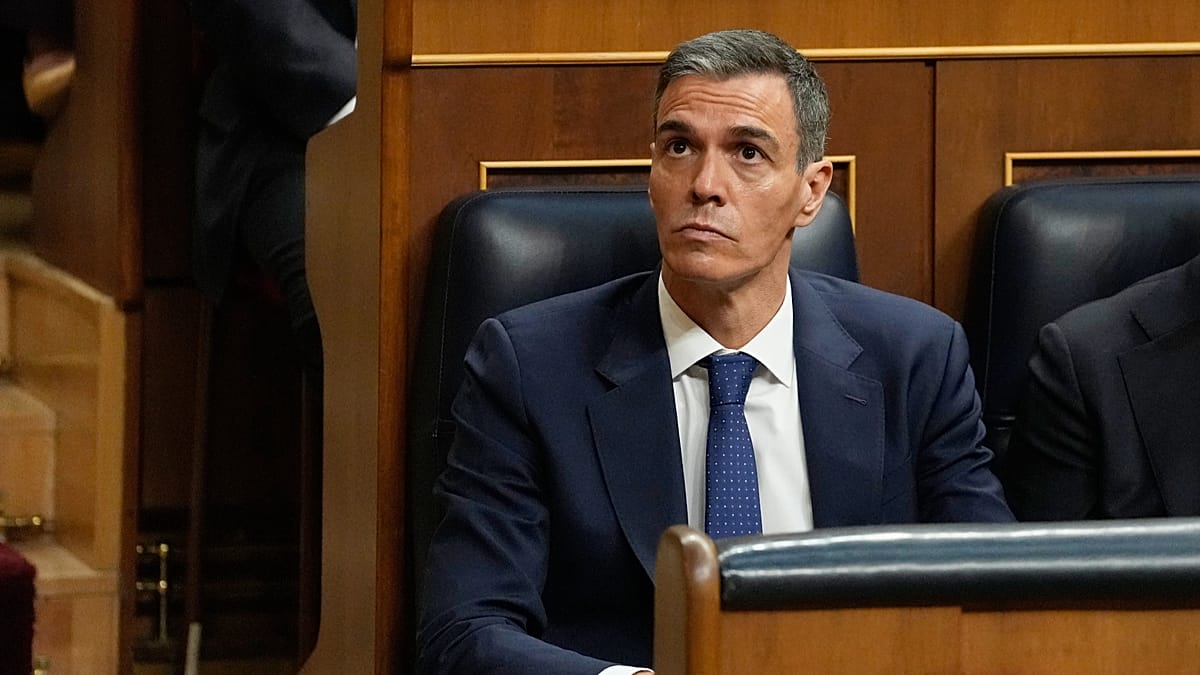
Spanish Prime Minister Pedro Sánchez appeared before the Congress of Deputies on Tuesday, at his own request, to explain his government's handling of the migration crisis in Ceuta. The appearance came after weeks of mounting political pressure and public protests over the influx of thousands of migrants into the Spanish enclave on Morocco's northern coast.
Sánchez's address was part of a broader effort to counter opposition accusations that his Socialist-led coalition has abandoned the residents of Ceuta. The crisis began in late July, when an estimated 70,000 people crossed into the territory, overwhelming local services and sparking a humanitarian emergency. The government has since deployed additional police and military resources, but critics argue that the response has been reactive and insufficient.
Protests and political fallout
The political temperature rose sharply over the weekend, with mass demonstrations in support of Ceuta held in cities across Spain. In Madrid, the government delegation put attendance at over 50,000, while the city council claimed the figure reached 150,000. Similar rallies took place in Seville and in Ceuta itself, where residents have expressed frustration over what they see as a lack of solidarity from the mainland.
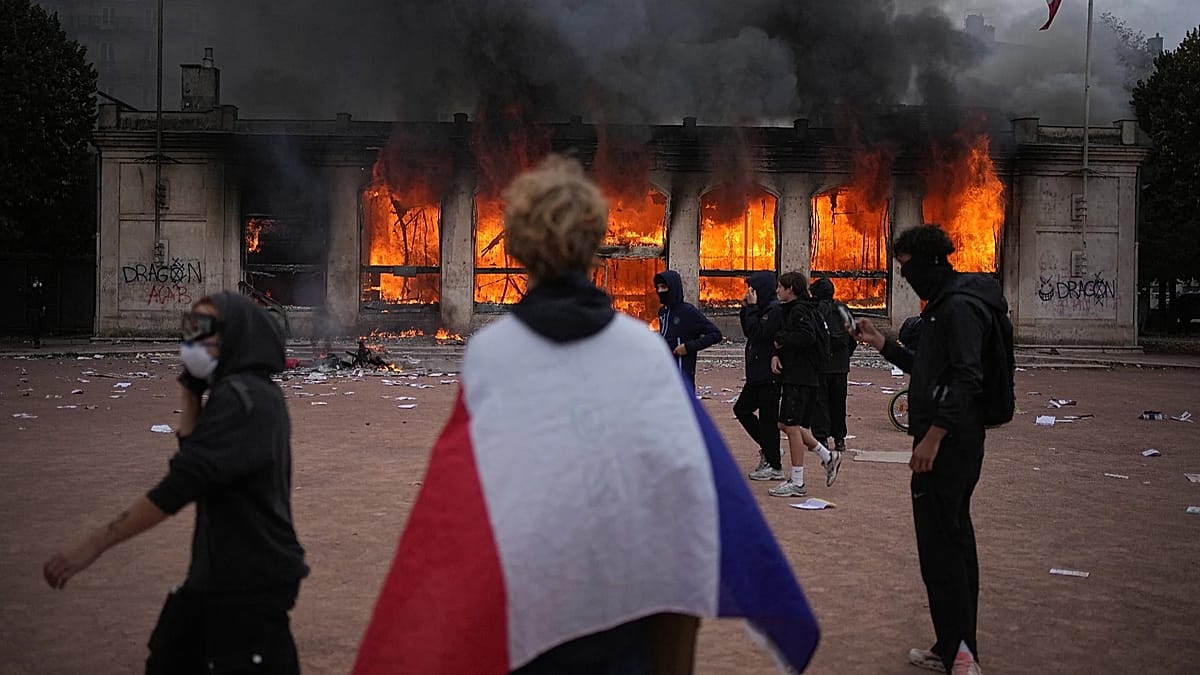
Most protests were peaceful, but the night ended with disturbances near the Congress of Deputies, underscoring the volatility of the issue. The opposition, led by the conservative Popular Party and the far-right Vox, has demanded that Sánchez take a harder line on border control and renegotiate relations with Morocco. Vox has called for the immediate closure of the border and the deployment of the army, while the PP has accused the government of failing to protect Spain's territorial integrity.
Sánchez defended his approach, arguing that the crisis requires a balanced response that respects human rights while ensuring security. He pointed to the €309 million package approved for Ceuta, which includes funding for border infrastructure, social services, and economic development. He also stressed the importance of cooperation with Morocco, a key partner in managing migration flows, even as tensions remain high.
Morocco's role under scrutiny
The crisis has also intensified scrutiny of Morocco's role. A leaked police report, which has not been officially confirmed, alleged that Moroccan authorities deliberately facilitated the surge as a diplomatic pressure tactic. The Spanish government has ordered an investigation into these claims, as reported in our earlier coverage. If proven, such actions would represent a serious breach of trust between the two neighbours.
The leak has further complicated Sánchez's position, with the opposition seizing on it as evidence of government weakness. The prime minister, however, has avoided direct accusations, preferring to emphasise the need for continued dialogue with Rabat. Analysts note that Spain relies on Moroccan cooperation to manage migration, but the crisis has exposed the fragility of that relationship.
The situation in Ceuta has also resonated beyond Spain's borders, raising questions about the EU's external border management. As European security concerns grow, the bloc is watching closely how Spain handles the fallout. The European Commission has offered support, but member states remain divided over how to share responsibility for migrants arriving at the EU's southern flank.
For now, Sánchez faces a delicate balancing act. He must reassure domestic audiences that he is in control, while maintaining the diplomatic ties that are essential for long-term stability. The coming weeks will test whether his government can turn a moment of crisis into an opportunity for reform, or whether the political damage will prove lasting.