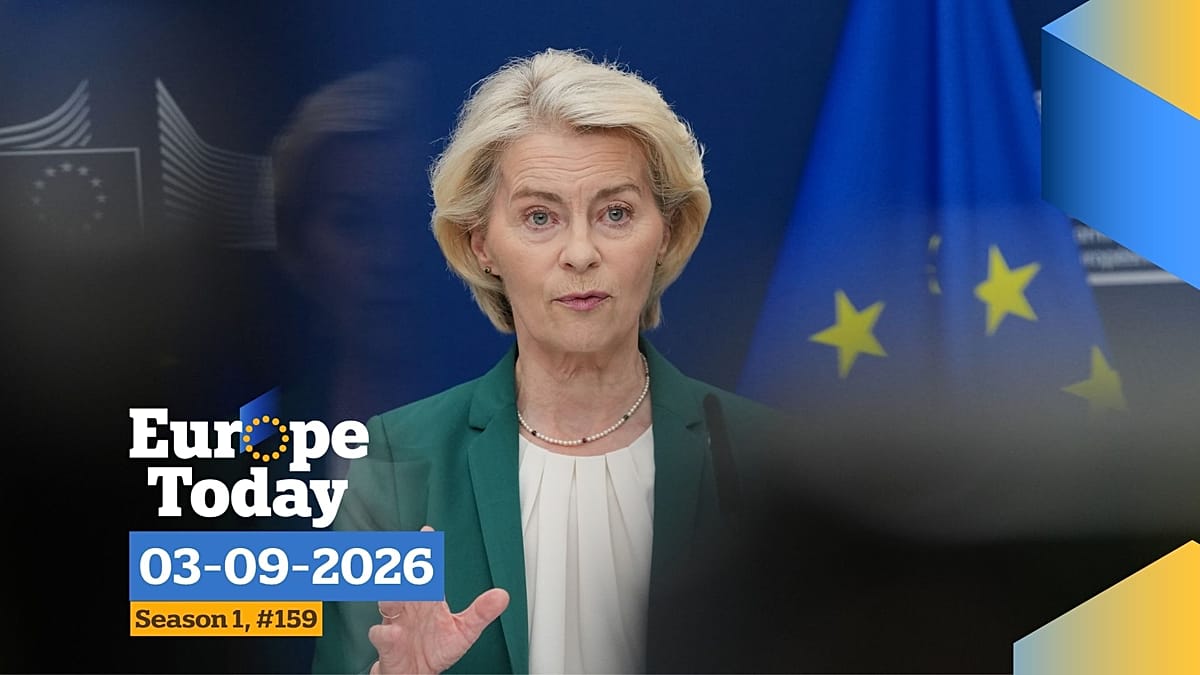
European Commission President Ursula von der Leyen has warned that the continent is entering a new security era defined by increasingly sophisticated hybrid threats. Speaking as EU affairs ministers gathered in Dublin for talks on the bloc's long-term budget, she stressed that Europe must adapt to a landscape where state and non-state actors use disinformation, cyberattacks, and economic coercion to undermine democratic institutions.
“We are seeing a fundamental shift in the nature of threats we face,” von der Leyen said. “It is no longer just about conventional military aggression. We must be ready for attacks that target our energy grids, our financial systems, and our social cohesion.” Her remarks come amid heightened tensions with Russia and concerns over interference from other actors seeking to exploit European divisions.
Dublin talks focus on budget and Ukraine
In Dublin, European affairs ministers opened discussions on the EU’s next multi-annual financial framework, a negotiation that will shape spending priorities for years to come. The talks are expected to be contentious, with net contributors pushing for budget discipline while newer member states argue for continued cohesion and agricultural support.
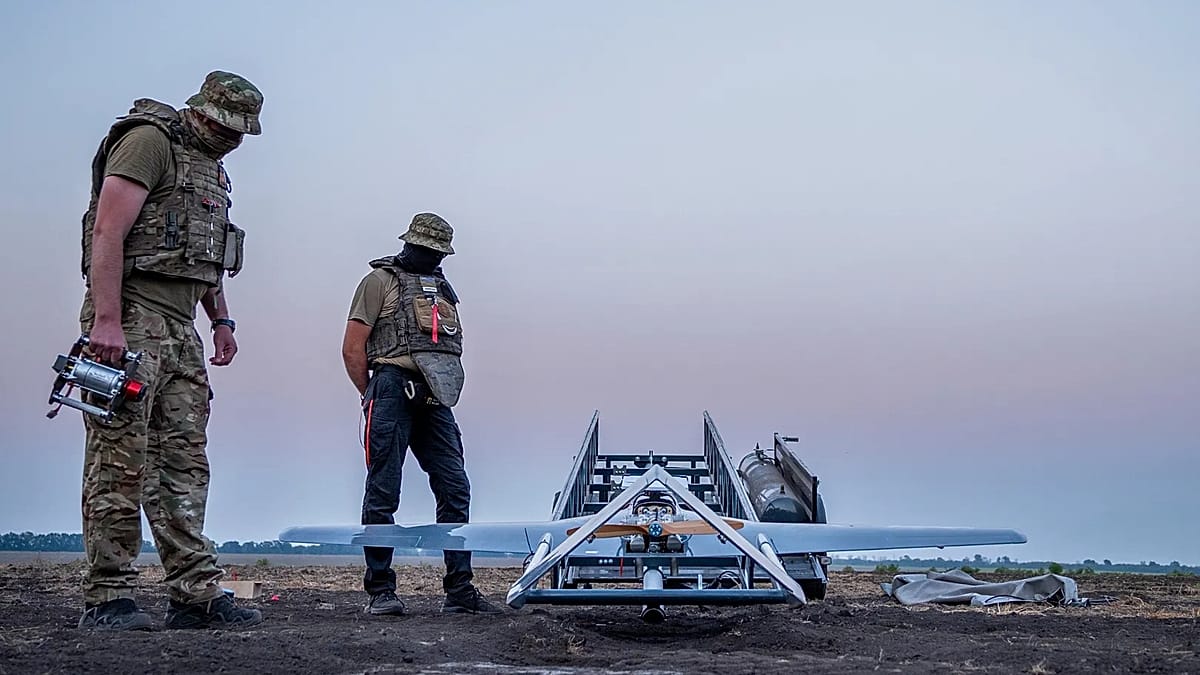
Lithuania’s Foreign Minister Kęstutis Budrys, who met with his counterparts on the sidelines, said the discussions were overshadowed by Russia’s latest attacks on Ukraine. “We cannot separate the budget debate from the security reality,” Budrys told reporters. “Investing in defence and resilience is not optional; it is a precondition for everything else we do.”
The meeting in Dublin also served as a platform for ministers to coordinate responses to Moscow’s escalation, with several calling for additional sanctions and military aid to Kyiv. The EU has already committed billions in support, but pressure is mounting to do more as the war enters a critical phase.
Spain’s government in crisis over Ceuta leak
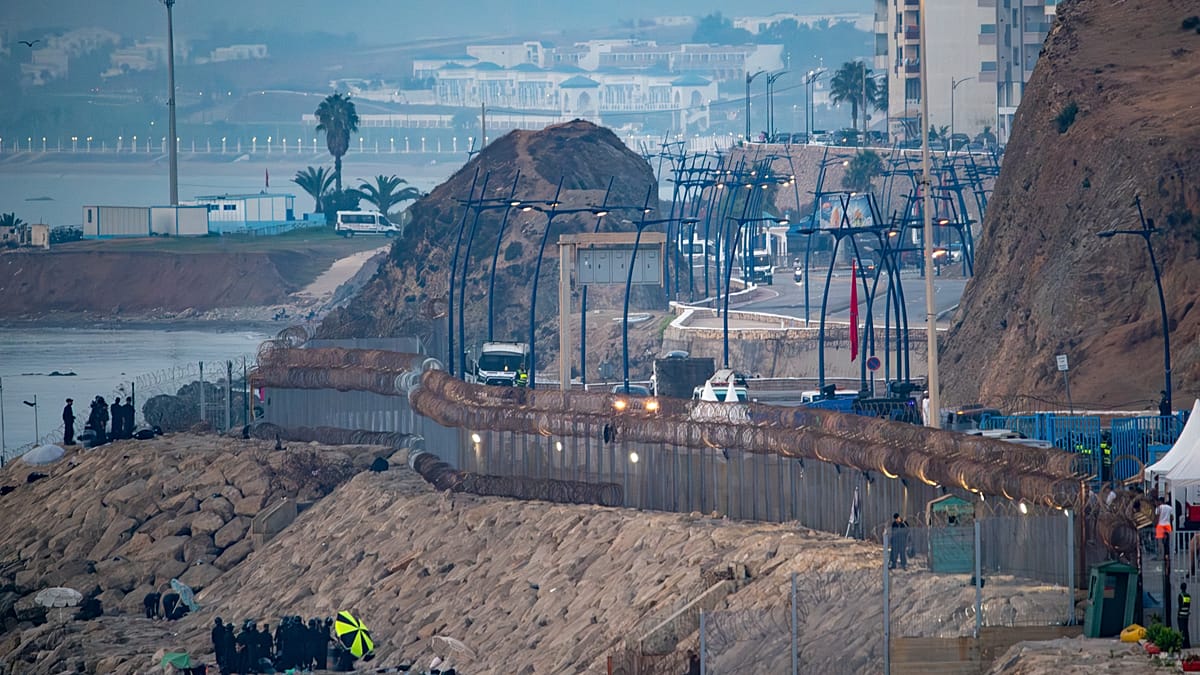
Back in Madrid, the Spanish government is facing one of its most serious political crises in years after a leaked police report suggested that Moroccan forces played a role in guiding a surge of migrants into the Spanish enclave of Ceuta. The report, which has not been officially released, allegedly details how Moroccan security personnel facilitated the crossing of thousands of people in an unprecedented border violation.
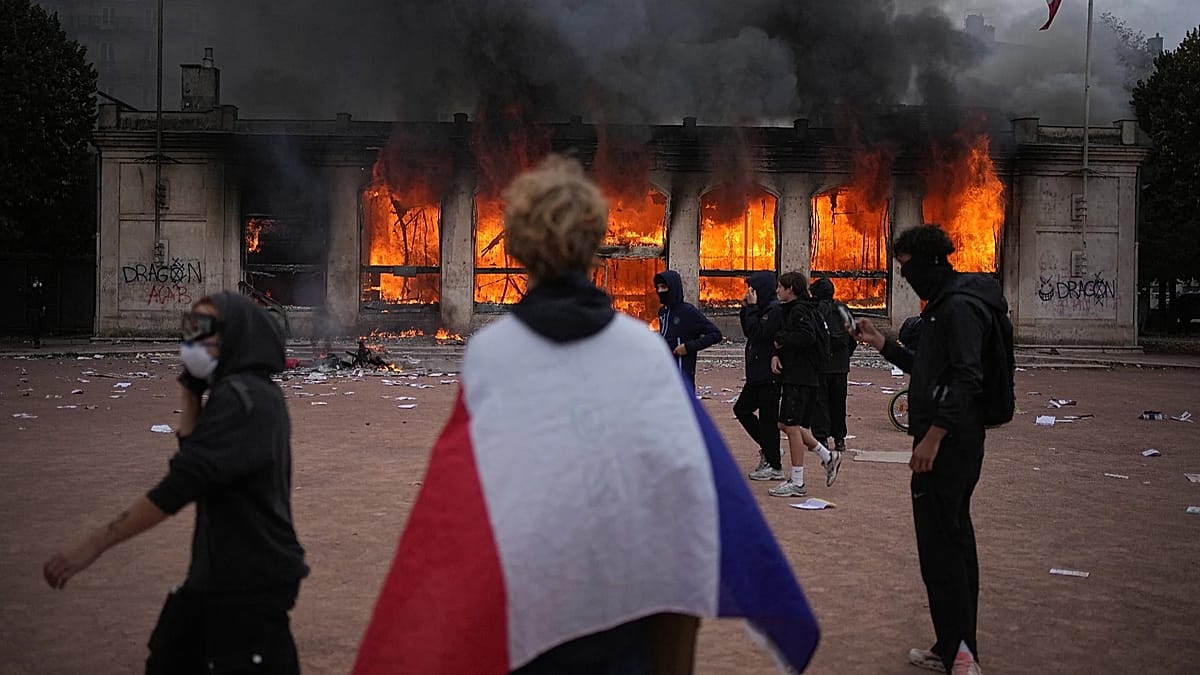
The leak has plunged Prime Minister Pedro Sánchez’s administration into disarray, with opposition parties demanding answers and calling for the resignation of senior officials. The right-wing Popular Party and Vox have seized on the report to accuse the government of weakness in defending Spain’s territorial integrity. The right-wing backlash has intensified, with protests planned outside the Moncloa palace.
In response, the government has ordered an investigation into the leak and the authenticity of the report. Interior Minister Fernando Grande-Marlaska insisted that Spain’s border security remains a priority, but critics argue that the government has been too conciliatory toward Morocco, which has long been a key partner on migration control.
The Ceuta crisis has also exposed deeper tensions within the coalition government, with the left-wing Podemos party urging a tougher stance against Rabat. Spain has ordered a probe into the claims, but the political fallout is far from over. Analysts say the episode could weaken Sánchez’s position ahead of upcoming elections, as voters question his handling of both migration and foreign policy.
Broader security implications
The developments in Spain and the discussions in Dublin are part of a wider reassessment of European security. Von der Leyen’s warning about hybrid threats reflects a growing consensus that the EU must invest in new capabilities, from cyber defence to countering disinformation campaigns. The bloc has already established a rapid response mechanism for cyberattacks, but member states remain divided over how much to pool sovereignty in these areas.
Meanwhile, the situation in Ceuta highlights the challenges of managing the EU’s external borders, particularly in the Mediterranean. The enclaves of Ceuta and Melilla have long been flashpoints for migration, but the alleged involvement of Moroccan forces marks a new and worrying development. Spain is reeling from the implications, which could strain relations with Rabat and complicate EU-Morocco cooperation on migration.
As European leaders grapple with these issues, the need for a coherent and unified strategy has never been more urgent. The Dublin talks are a step in that direction, but the road ahead is fraught with political and practical obstacles. The coming months will test whether the EU can translate its rhetoric into concrete action.