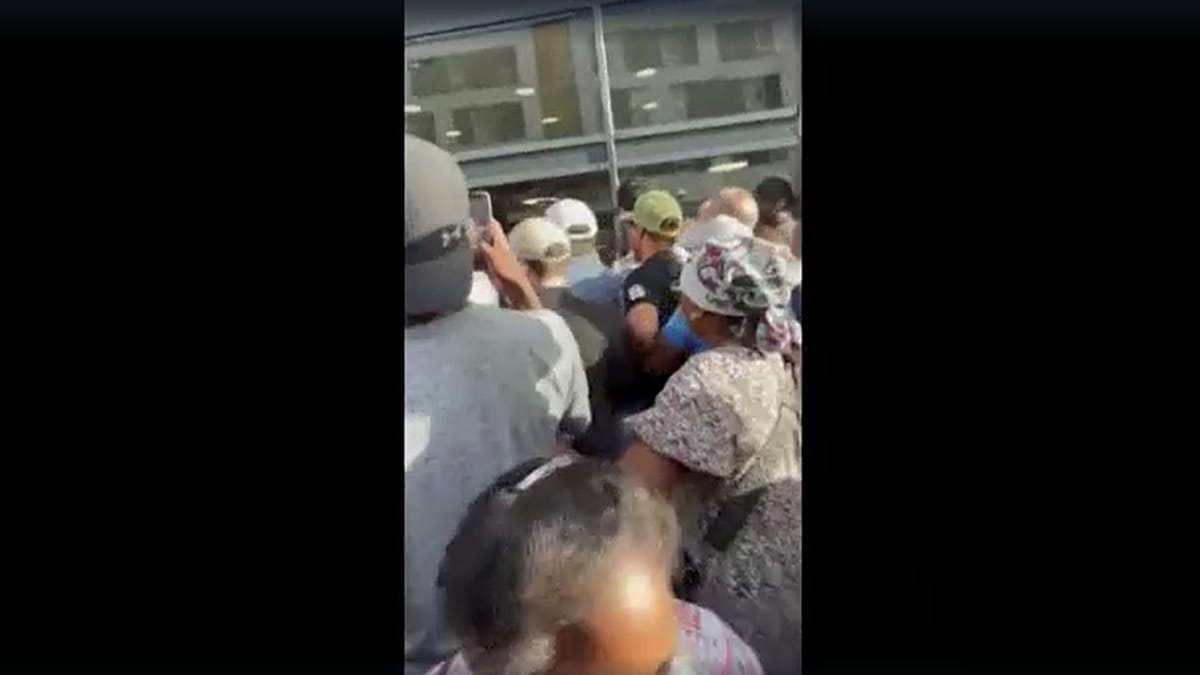
On Thursday, scenes of disorder unfolded at Lidl supermarkets across France as hundreds of shoppers rushed to purchase fans and portable air conditioners. The German discount retailer had announced the sale of 200,000 units, triggering long queues, scuffles, and police intervention at multiple stores.
The rush comes as France endures a prolonged heatwave, with temperatures soaring above 35°C in many regions. The demand for cooling devices has surged, exposing the vulnerability of households that lack air conditioning—a common feature in many European homes, particularly in northern and central parts of the continent.
Heatwave Exposes Infrastructure Gaps
France's June heatwave has been linked to a nearly 30% rise in deaths, with the Paris region hit hardest. The incident at Lidl underscores a broader challenge: as climate change intensifies heatwaves across Europe, the continent's building stock and public infrastructure remain ill-equipped to cope. In cities like Lyon, Marseille, and Paris, many apartments and older buildings lack effective cooling systems, forcing residents to rely on portable units or public cooling centers.
The scuffles at Lidl are not an isolated phenomenon. Similar scenes have been reported in other European countries during extreme heat events, as consumers scramble for limited supplies. The situation highlights the need for long-term adaptation strategies, including better insulation, green roofs, and urban planning that reduces heat island effects.
Meanwhile, southern France continues to battle wildfires, with a fast-moving blaze burning over 800 hectares overnight near the Mediterranean coast. Firefighters have been working tirelessly to contain the flames, which have forced the evacuation of thousands of residents. The combination of extreme heat and dry conditions has created a tinderbox across the region.
Portugal is also facing severe wildfires, with over 1,000 firefighters battling blazes on the ground. The fires have destroyed thousands of hectares of forest and threatened rural communities. The European Union has activated its Civil Protection Mechanism to coordinate assistance, deploying firefighting aircraft and personnel from member states.
The Lidl incident serves as a microcosm of the broader climate crisis facing Europe. As temperatures rise, the demand for cooling will only increase, putting pressure on energy grids and household budgets. Policymakers across the continent are grappling with how to balance immediate relief with sustainable solutions.
In the short term, retailers like Lidl are stepping in to meet demand, but the scenes of chaos suggest that supply chains are struggling to keep up. For many Europeans, the heatwave is a stark reminder that climate adaptation is no longer a future concern—it is a present reality.