Second-hand smoke continues to pose a major public health threat, with a new global study estimating that 2.71 billion people—roughly one in three—were exposed in 2023. The findings, published in The Lancet Public Health as part of the Global Burden of Disease (GBD) 2023 study, highlight the persistent toll of passive smoking, which contributed to 1.66 million deaths worldwide that year.
The study, which analyzed data from 204 countries and territories between 1990 and 2023, found that 767 million children under 15 and 1.49 billion women were among those exposed. Children are particularly susceptible to the harmful effects of tobacco smoke, which can lead to respiratory infections, asthma, and other long-term health issues.
Progress and gaps in smoke-free legislation
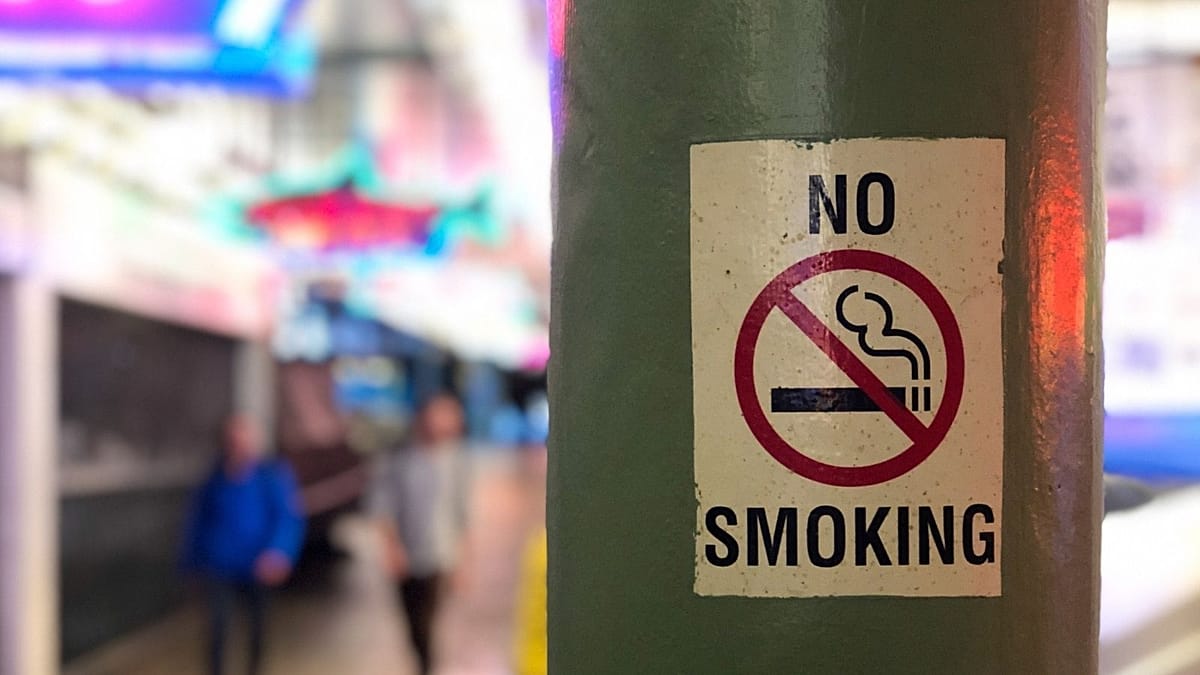
Despite decades of public health campaigns, the study reveals that nearly 70% of the global population remains unprotected by comprehensive smoke-free laws. As of 2024, only 79 countries—most of them in the Americas—have adopted the highest standards of the World Health Organization's Framework Convention on Tobacco Control, which require all public places to be completely smoke-free or cover at least 90% of the population.
The proportion of people covered by such legislation has grown from 3% in 2007 to 33% in 2024, now shielding 2.6 billion individuals. However, the authors stress that smoke-free policies alone are insufficient. They call for additional measures, including higher tobacco taxes, marketing bans, plain packaging, and cessation support programs.
Regional disparities in Europe
The study highlights significant regional variations. In Central Europe, Eastern Europe, and Central Asia, exposure prevalence stood at 37.7%—above the global average of 33.9%—affecting 146 million people. Countries in this region, such as Poland, Romania, and Bulgaria, still grapple with high smoking rates and weaker enforcement of anti-smoking laws.
Western European nations, grouped under the “high-income super region,” have made notable strides. Denmark and Norway recorded some of the world's largest reductions in exposure since 1990, with declines of 48.8% and 44.3%, respectively. These successes demonstrate the effectiveness of sustained public health interventions, including comprehensive bans and public awareness campaigns.
Meanwhile, sub-Saharan Africa, North Africa, and the Middle East saw sharp increases in the number of people exposed, driven largely by population growth. This trend underscores the need for targeted policies in regions where tobacco control efforts remain nascent.
Health consequences and the need for action
Second-hand smoke is not a minor nuisance; it is a leading cause of preventable death. The study estimates that exposure accounted for 44.8 million years of healthy life lost in 2023, with cardiovascular diseases and pediatric respiratory conditions being the primary drivers. Non-smokers inhale sidestream smoke, which contains higher concentrations of toxic and carcinogenic compounds than the smoke a smoker inhales through a filter.
The health impacts are wide-ranging, including stroke, lower respiratory infections, chronic obstructive pulmonary disease, asthma, type 2 diabetes, and cancers of the trachea, lung, and breast. Children are especially at risk, as their developing bodies are more vulnerable to the toxins in tobacco smoke.
As European policymakers consider future regulations, the study serves as a reminder that tobacco control remains a pressing issue. While progress in Western Europe offers a blueprint, the continent's eastern and central regions still lag behind. The findings also resonate with broader debates on public health and environmental policy, such as Brussels' moves to let cities curb Airbnb and second homes, which reflect a growing focus on protecting citizens' well-being.
The authors conclude that stronger political will and investment in tobacco control are essential to reduce the burden of second-hand smoke. They urge governments to implement and enforce comprehensive smoke-free laws, coupled with taxation and education campaigns, to protect non-smokers, particularly children, from the devastating health consequences of passive smoking.