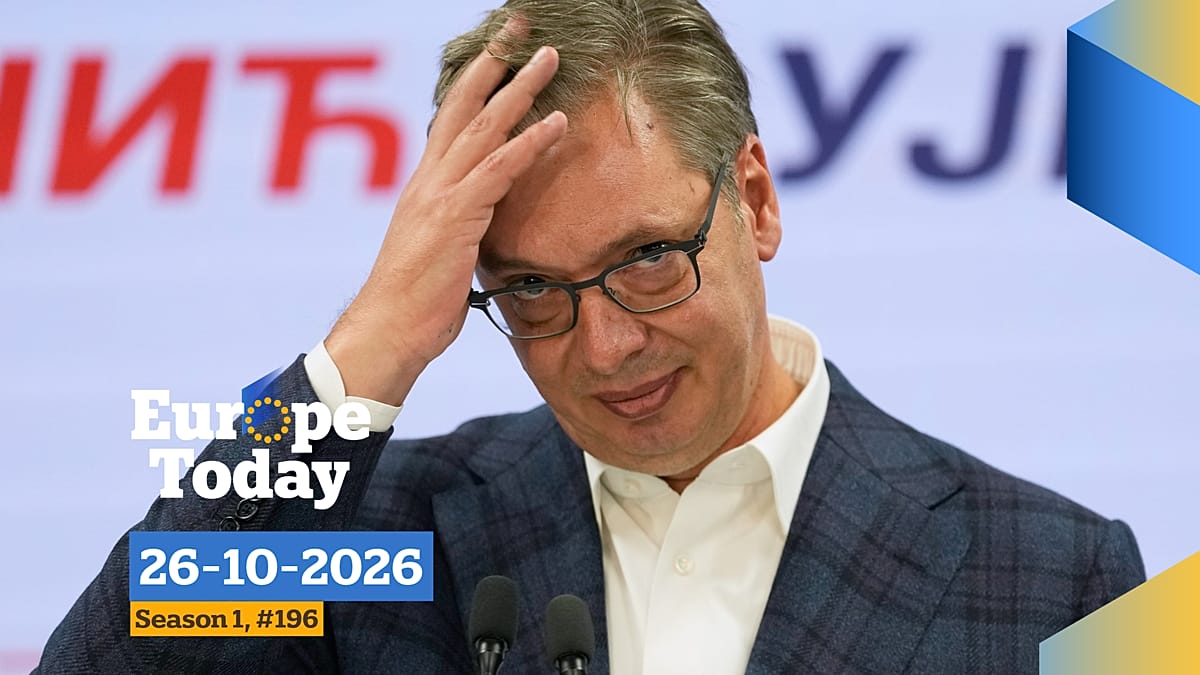
Belgrade's political landscape has been redrawn. A coalition born from months of student-led protests has won Serbia's parliamentary election, ending Aleksandar Vučić's decade-long grip on power. The Student List, as the movement is known, secured a decisive victory, prompting Vučić to concede defeat in a late-night address. The result marks a seismic shift in Serbian politics, with the country now facing an uncertain path toward EU integration and a redefinition of its ties with Russia.
Radomir Šaičić, a spokesman for the movement, described the win as a victory for civic courage. “This is not just about changing a government,” he said. “It is about restoring faith in institutions and giving young people a reason to stay.” The movement, which began as a response to corruption and democratic backsliding, tapped into widespread frustration with Vučić's rule, which critics had increasingly characterized as autocratic.
Political analyst Bojan Vranić of the University of Belgrade cautioned that the transition will not be easy. “The Student List has shown remarkable organizational skill, but governing is a different challenge,” he said. “They will need to build coalitions, manage a bureaucracy that has been loyal to Vučić, and address an economy that has stagnated.” The question of who will become prime minister remains open, with several figures from the movement and allied parties being floated.
Vranić also highlighted the foreign policy implications. “Serbia has long balanced between Brussels and Moscow. The new government will have to make choices, especially regarding sanctions on Russia and the pace of EU accession talks,” he noted. The EU has welcomed the result, seeing it as a potential opening for democratic consolidation in the Western Balkans. However, the path to membership remains long, and the new leadership will need to demonstrate a firm commitment to reforms.
Israel's pivotal election
Meanwhile, Israel is bracing for a crucial election that could reshape its leadership. With Benjamin Netanyahu facing mounting challenges after three years of war and political turmoil, voters are weighing whether a change is needed. Former Prime Minister Ehud Olmert, in an interview, expressed cautious optimism about the opposition's prospects. “There is a growing sense that the country needs a different direction,” he said. “The question is whether the opposition can unite and offer a credible alternative.”
The election's outcome will have significant implications for Palestinians and the two-state solution. Olmert warned that continued stalemate could lead to further escalation. “The status quo is not sustainable,” he said. “Both sides need to return to negotiations, but that requires leadership willing to take risks.” The election also comes amid heightened security concerns, with West Bank crossings closed on election day following a deadly attack near Hebron.
France's protest wave and Le Pen's launch
In France, another weekend of mass demonstrations saw more than 1,300 arrests despite increased security measures. The protests, which have been fueled by a range of grievances from pension reforms to police violence, show no signs of abating. Estelle Nilsson-Julien, reporting from Paris, noted that the unrest has become a defining feature of President Emmanuel Macron's second term.
At the same time, Marine Le Pen officially launched her presidential campaign at the National Rally conference in Orléans, drawing both supporters and counter-demonstrators. Le Pen's platform, which focuses on immigration and national sovereignty, has gained traction among voters disillusioned with the mainstream. However, her opponents argue that her rise poses a threat to democratic norms and European unity.
Brazil's Lula wins fourth term
In South America, Brazil's Luiz Inácio Lula da Silva secured a fourth term as president, narrowly defeating right-wing challenger Flávio Bolsonaro with just under 52% of the vote. Bolsonaro has refused to accept the result, alleging irregularities without providing evidence. The election has drawn international attention, with many European leaders congratulating Lula and urging a peaceful transition.
Lula's victory is seen as a shift in Brazil's foreign policy, with expectations of a more active role in climate change and multilateral forums. However, the narrow margin and Bolsonaro's refusal to concede suggest a deeply polarized nation. Analysts warn that Lula will face significant challenges in governing a divided country, including a fragmented congress and a struggling economy.
As Europe looks on, these developments underscore a broader trend of political volatility and democratic contestation. From Belgrade to Brasília, citizens are demanding accountability and change, while leaders grapple with the consequences of prolonged crises.