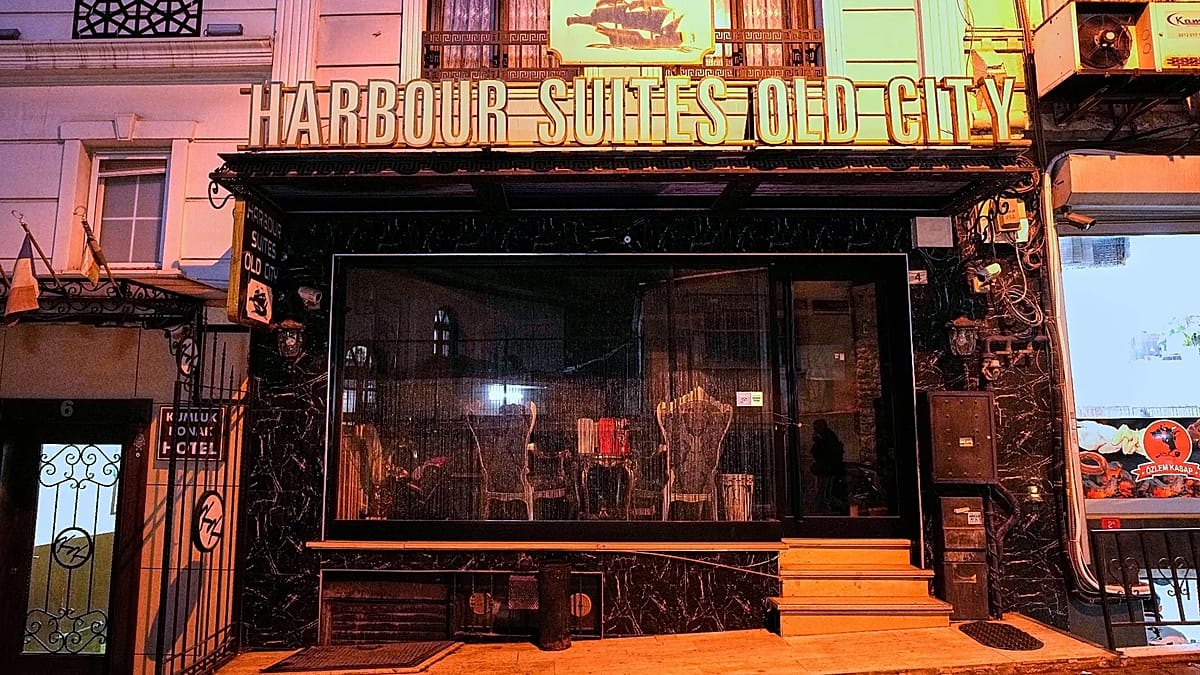
Six individuals, including hotel staff and pest control workers, appeared before the Istanbul 30th High Criminal Court on Tuesday, charged with negligence leading to the deaths of a Turkish-German family poisoned by insecticide during a holiday in Istanbul. The case has drawn attention to safety standards in Turkey’s tourism sector and prompted calls for stricter oversight.
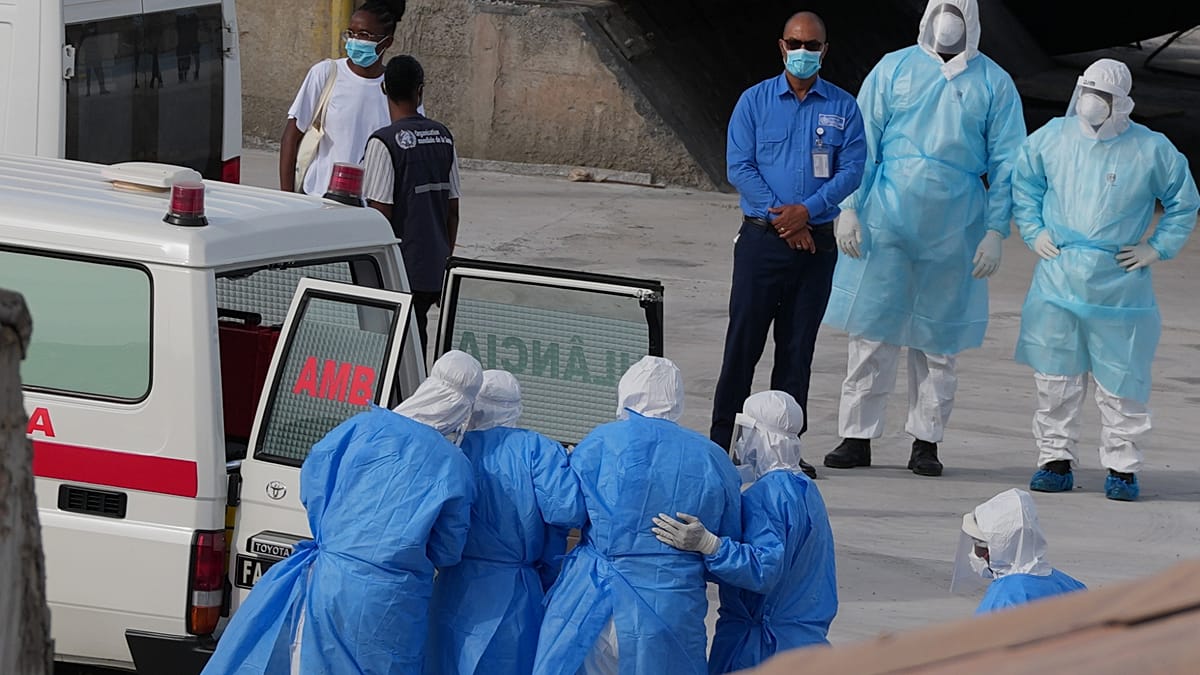
The Böcek family—father Servet, mother Çiğdem, six-year-old Kadir Muhammet, and three-year-old Masal—were staying at the Harbour Suites Old City hotel in Istanbul’s Fatih district when they fell ill on 12 November, according to the state-run Anadolu news agency. After complaining of nausea and vomiting, they took a taxi to a hospital but later returned to the hotel. The following day, they were rushed to hospital by ambulance, where the two children died. Çiğdem died on 14 November, and Servet on 17 November.
An indictment presented to the court revealed that the family’s rescue was delayed by seven minutes because receptionist Muhammad Moeen had left the hotel entrance door locked after being disturbed by the smell from the insecticide-treated room. Images published at the time showed Servet Böcek carrying his daughter into the reception area and frantically trying to break the glass door. The delay was cited as a contributing factor to the deaths, alongside the lack of precautions during spraying and the absence of staff to handle emergencies.
Initially treated as food poisoning, an inspection later found traces of phosphine gas on towels, masks, and swab samples from the hotel. Phosphine is a highly toxic substance that can cause severe respiratory problems and organ damage. The now-closed Harbour Suites is one of many low-cost hotels within walking distance of tourist attractions such as the Blue Mosque and Hagia Sophia.
Negligence and Legal Proceedings
Prosecutors are seeking prison terms ranging from two years and eight months to 22 years for causing multiple deaths through negligence. The defendants include hotel owner Hakan Oğlak; owners of DSS Pest Control, Zeki Kişi and Serkan Kişi; DSS worker Doğan Çağferoğlu; and receptionist Moeen. Another hotel worker, Rüştemşa Batyrov, faces between two and 15 years for the same offence. According to the indictment, Çağferoğlu, who sprayed the ground floor room directly below the Böceks’ room, was not certified to use hazardous chemicals.
The tragedy has reignited debates about safety regulations in Turkey’s hospitality industry, which is a key driver of the country’s economy. The case also highlights the risks faced by European tourists, particularly those from the large Turkish diaspora in Germany, who frequently travel to Turkey for holidays. The Böcek family, originally from Germany, were part of this community.
This incident is not isolated; it underscores broader concerns about regulatory enforcement in Turkey. For instance, Turkish coal miners were recently detained after marching for unpaid wages in Ankara, reflecting ongoing labor and safety issues. Meanwhile, across Europe, similar tragedies have prompted policy changes, such as lower speed limits reducing road deaths in European cities, showing that negligence can be curbed through stricter oversight.
The trial is ongoing, and the court is expected to hear further evidence in the coming weeks. The case has also sparked discussions about the use of toxic chemicals in residential and tourist settings, with experts calling for better training and certification for pest control workers. As Europe grapples with the balance between tourism revenue and safety, the Böcek family’s deaths serve as a grim reminder of the consequences of regulatory gaps.