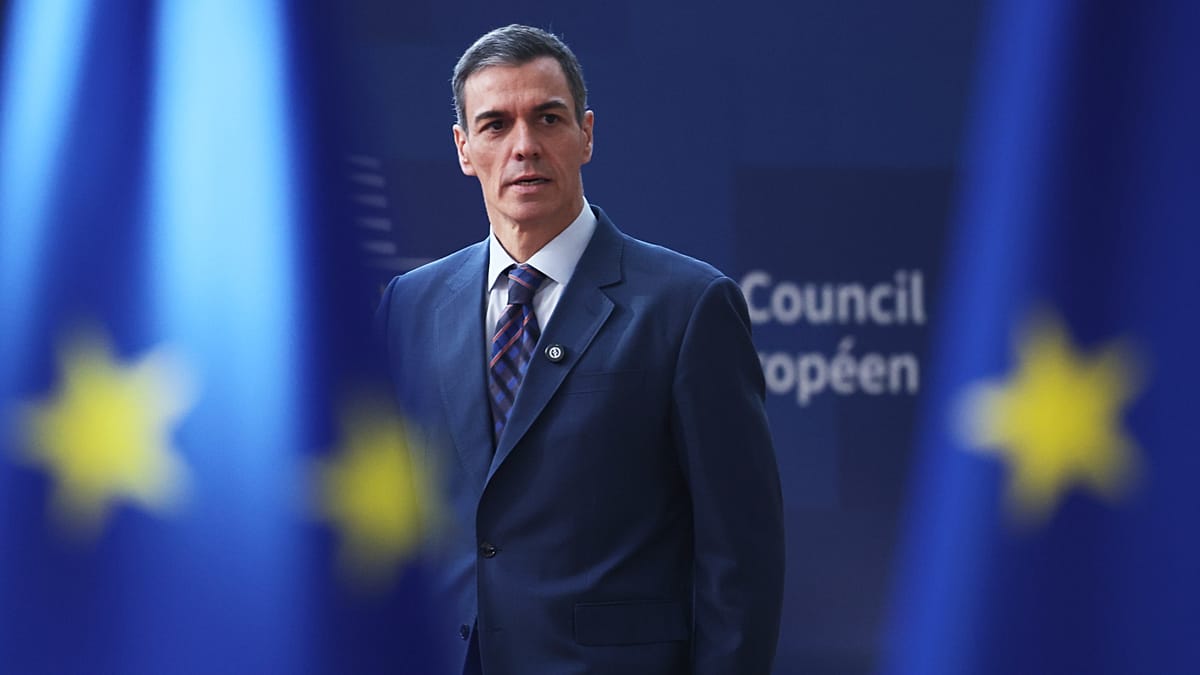
Spain's political landscape is tilting rightward, as evidenced by a series of regional elections culminating in a conservative victory in Andalusia on Sunday. This shift poses a challenge to Prime Minister Pedro Sánchez, who has cultivated an international reputation as a progressive leader in Europe.
Regional votes in Aragón, Castilla y León, and Andalusia this year have seen the Socialist Party (PSOE) lose seats, with the conservative People's Party (PP) emerging as the leading force and the far-right Vox party playing a kingmaker role. This pattern suggests a growing acceptance of mainstream right-wing governance backed by hard-right allies at the regional level.
The defeats, including for candidates backed by Sánchez, reflect a protest vote and a degree of public rejection of the progressive agenda promoted by his government in Madrid. This domestic reality contrasts sharply with Sánchez's international image as a defender of progressive ideals in an era of populist politics.
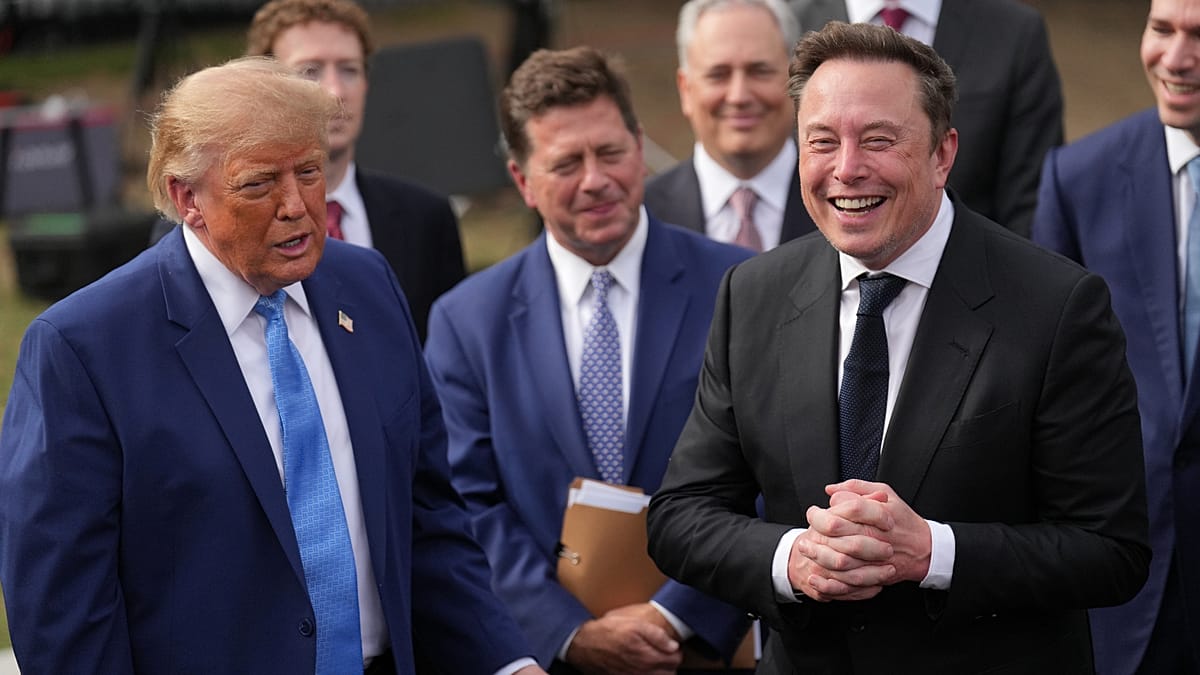
Sánchez is one of the few left-leaning prime ministers remaining in the EU, following the failure of Denmark's Mette Frederiksen to form a government earlier this year. His foreign policy, including an independent stance on Gaza and a confrontational approach toward Donald Trump, has earned him praise abroad. However, at home, he remains deeply polarizing, with his foreign agenda often overshadowed by the fragility of his coalition government and legal investigations involving his family, which he denies.
Domestic Policies vs. International Profile
In Madrid, Sánchez's administration has increased pensions, raised the minimum wage, and initiated a process to regularize half a million immigrants, describing it as an opportunity for a dignified life. Spain has also expanded its diplomatic network, positioning itself as a bridge between Latin America, the Arab world, and China, according to a diplomatic source. Critics argue that this influence has not translated into tangible benefits for Spain or Europe.
Despite regional losses, Sánchez has historically performed better in national elections. In 2023, after a disastrous regional ballot, he called a snap election that surprised international observers. While the PSOE lost the general election, coming second, it narrowed the gap with the PP and formed a government by uniting forces from the hard left to smaller nationalist and pro-independence parties. In Spain's parliamentary system, the party that commands a majority in parliament governs, not necessarily the one with the most votes.
His team hopes to replicate this strategy in the 2027 general election, banking on his ability to mobilize his progressive base by campaigning against the prospect of a PP-Vox coalition, which polls suggest is plausible. Sánchez argues that such a union would roll back social rights and introduce more conservative policies.
However, his government faces hurdles, including an inability to pass basic laws. Madrid has not updated its national budget since 2023 due to a lack of parliamentary support. Financial markets have largely ignored these issues, as the Spanish economy outperforms many European peers. Sánchez also contends with public fatigue; he is now the second-longest-serving leader in Spain's democratic history, in office since 2018 after a successful no-confidence vote.
Sources close to Sánchez indicate he is determined to run again in 2027, with no talk of a potential successor. As Secretary General of the PSOE, he has removed both allies and foes over the years, consolidating his control.