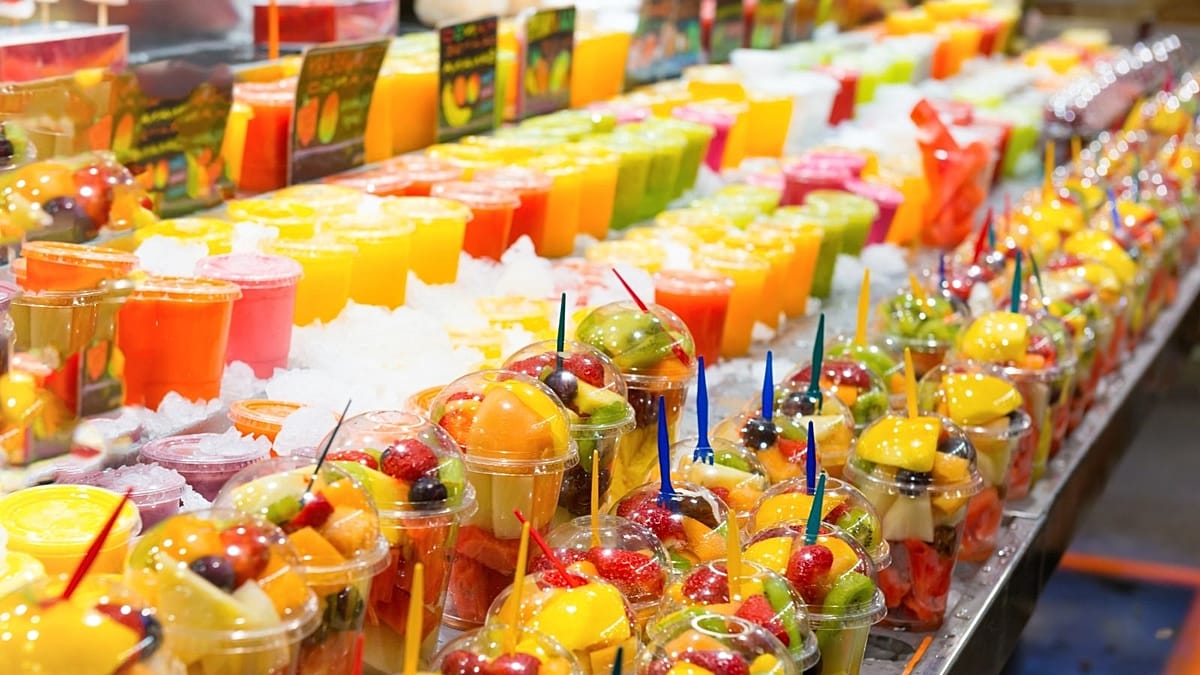
As European health systems confront rising rates of obesity and non-communicable diseases, dietary choices are under increasing scrutiny. A key component of any healthy diet is fruit, but new research suggests how it is consumed—whether whole, blended, or juiced—has a significant impact on health outcomes.
A study published in the journal Frontiers in Nutrition analysed the associations between different forms of fruit consumption and various health markers. Surveying over 400 people, researchers categorised participants into four groups: low fruit consumers, juice drinkers, smoothie drinkers, and whole fruit consumers. The results revealed clear hierarchies in health status linked to these choices.
Juice Consumption Linked to Poorer Metabolic Health
The study found that the group with the lowest fruit intake had the worst overall health outcomes, including the highest prevalence of hypertension and cardiovascular disease. However, the fruit juice group ranked second worst, showing the highest rates of high cholesterol and diabetes among the categories studied.
"The way of consuming fruit was not only associated with physical health variations," the researchers noted. Mean body mass index (BMI) was higher among juice drinkers and low fruit consumers than among those who regularly ate whole fruit or drank smoothies. The mental health data was equally telling: both the low-fruit and juice-preferring groups reported experiencing more mental health struggles in the previous year compared to the whole fruit and smoothie groups.
Further distinctions emerged in daily wellbeing. The juice group reported the lowest energy levels and the worst sleep quality. The researchers suggest this aligns with the fact that fruit juices provide less sustained energy and satiety than other forms of fruit consumption, a finding with implications for public health messaging from Berlin to Barcelona.
The Fibre Factor: Smoothies vs. Juice
The nutritional mechanics behind these outcomes are clear. While fruit is a rich source of essential nutrients, fibre, and antioxidants, processing it into juice strips away most of the beneficial fibre. This alters how the body metabolises the natural sugars.
"Blending fruit into a smoothie retains fibre while potentially enhancing the bioavailability of nutrients such as vitamin C and folate, offering better overall nutrition than a juice," the study explains. This retained fibre supports digestion, helps regulate blood sugar, and contributes to a feeling of fullness—advantages largely absent in juice.
The authors emphasise that identifying the most effective dietary patterns is crucial for preventing non-communicable diseases. "Knowing that a healthy lifestyle can prevent many NCDs, it is important to clearly identify the most effective dietary patterns to minimise the risk," they wrote. This research adds to a growing body of evidence influencing dietary guidelines, including those from the United Kingdom's National Health Service (NHS), which advises limiting fruit and vegetable juice consumption to 150ml per day.
Moderation, Variety, and European Context
Experts stress that moderation remains key, regardless of the format. The health benefits of juices and smoothies can also vary significantly depending on the fruits used. Citrus fruits provide vitamin C, blueberries are rich in antioxidants, and cranberries contain compounds that can help prevent urinary tract infections.
This research arrives as European policymakers and health officials seek evidence-based strategies to improve population health. The findings could inform public health campaigns and nutritional education from Lisbon to Warsaw, particularly as the continent deals with the economic and social burdens of chronic disease. While global in scope, the study's conclusions are directly relevant to European consumers navigating supermarket aisles and their own kitchens, making informed choices between a whole apple, a blended berry smoothie, or a glass of orange juice.