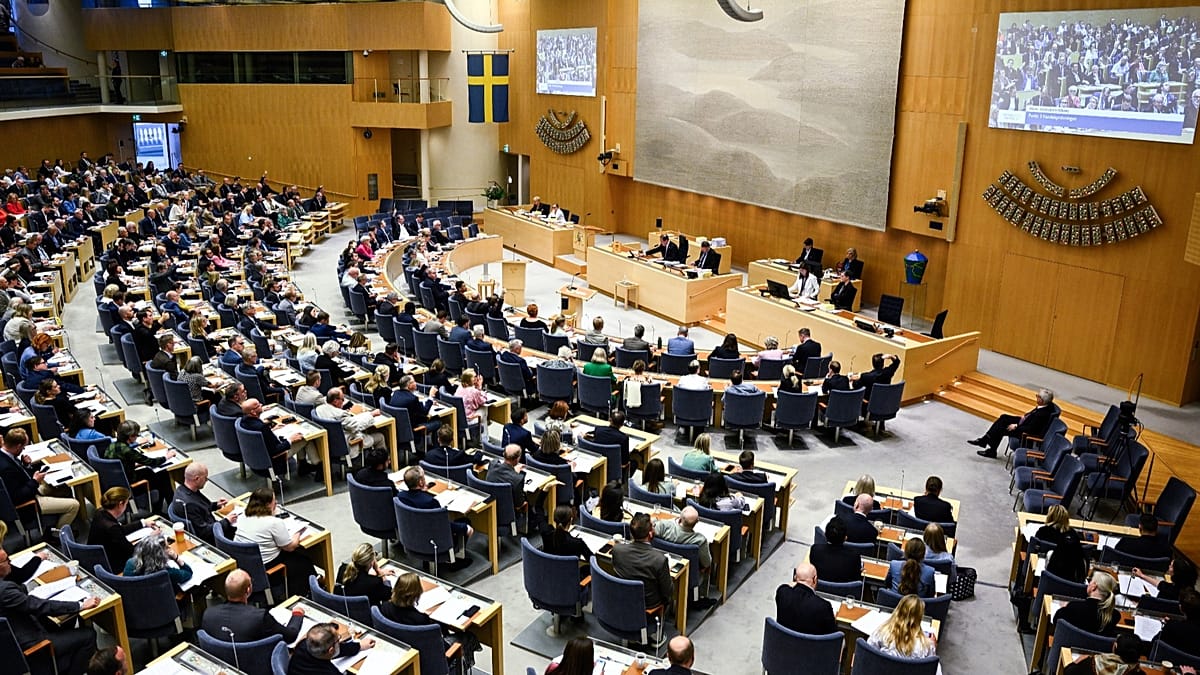
Sweden's parliament voted on Thursday to lower the age of criminal responsibility from 15 to 14, a central promise of the centre-right government as it seeks to project toughness on crime ahead of the September general election. The change, which takes effect on 10 September, will allow prosecutors to pursue criminal cases against younger teenagers for the first time in decades.
The minority coalition, led by Prime Minister Ulf Kristersson, had initially pushed for an even lower threshold of 13, but withdrew that proposal in June after failing to secure enough support. The final vote saw 281 lawmakers back the age-14 threshold, including the opposition Social Democrats, with 66 against.
Gang violence and political pressure
The decision comes against a backdrop of more than a decade of gang-related violence, much of it tied to the illegal drug trade. Shootings and bombings have shaken cities from Malmö to Stockholm, and public concern has made law-and-order a defining issue in Swedish politics. Kristersson's government, which took office in 2022 with the parliamentary support of the far-right Sweden Democrats, has made combating organised crime a flagship policy.
A government-appointed commission had recommended lowering the age of responsibility to 14, but the cabinet's own proposal of 13 met with widespread opposition. More than 120 organisations consulted, including the police and the prison service, argued that 13 was too young and that alternatives to prosecution would be more effective.
In addition to the age change, parliament also voted to reduce the automatic sentence discount for young offenders. Minors under 18 can now be sentenced to up to 18 years in prison, a significant increase from previous limits.
The timing of the law—just three days before the national vote—has drawn criticism from legal experts and child-rights advocates, who argue that the change is driven more by electoral politics than by evidence. Sweden's treatment of young offenders has long been considered progressive, with an emphasis on rehabilitation rather than punishment.
Supporters of the reform counter that the severity of gang violence, which has claimed the lives of teenagers and even younger children, demands a stronger deterrent. They point to cases where minors have been used as couriers or hitmen by criminal networks, and argue that the justice system must be able to hold them accountable.
The vote also reflects a broader shift in Swedish public opinion. A recent Demoskop poll for the newspaper Svenska Dagbladet showed the centre-left opposition ahead of the right-wing bloc, but the gap has narrowed in recent weeks. Crime remains one of the top concerns for voters, and both sides have sought to position themselves as the most credible on the issue.
Sweden's move aligns it with a handful of other European countries that have lowered their age of criminal responsibility in recent years, though it remains above the minimum set by many EU states. The change will not apply retroactively, and authorities are expected to issue guidelines for police and prosecutors before the law takes effect.
For now, the reform stands as a landmark in Sweden's approach to juvenile justice, and its impact will be closely watched by other European governments grappling with similar challenges. As the election approaches, the debate over how to balance public safety with the rights of minors is likely to intensify.