Swiss voters will decide on Sunday whether to approve a controversial initiative that would cap the country's population at 10 million by 2050, a move that could sever the free movement of people agreement with the European Union and disrupt a tightly integrated economy.
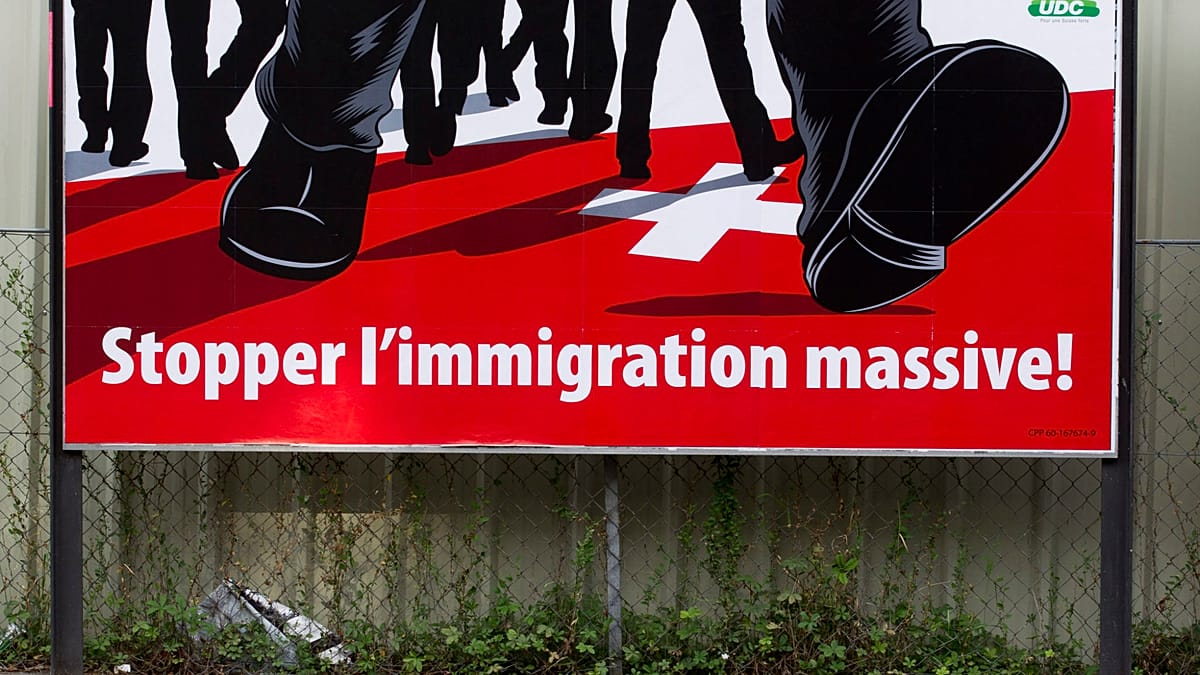
The 'No to a Switzerland with 10 million!' initiative, spearheaded by the right-wing Swiss People's Party (SVP), gathered the necessary 100,000 signatures to force a nationwide referendum. The party frames the measure as a 'sustainability initiative', arguing that unchecked immigration—driven by a strong labour market—overburdens housing, public services, and the environment.
At the end of 2025, Switzerland's population stood at approximately 9.1 million, with around 27% holding foreign citizenship. If the population exceeds 9.5 million, the initiative would compel parliament to tighten asylum rules and restrict family reunification. Reaching the 10 million threshold would require terminating the 1999 agreement on the free movement of persons with the EU, a cornerstone of bilateral relations.
Economic and Diplomatic Stakes
The Swiss government and major business groups strongly oppose the proposal, warning it would damage the economy and jeopardise vital security pacts with the EU. Last year, more than half of Switzerland's total exports—worth over 147 billion Swiss francs (€159.2 billion)—went to the bloc. 'For us, access to the European market is vital,' said Pierre-Yves Bonvin, head of textile machinery manufacturer Steiger, based in Vionnaz. The company exports its entire production to the EU and has relocated part of its production to China, but retains high-value-added machinery in Switzerland.
More than a third of Steiger's 40 Swiss employees are foreign nationals. 'In Switzerland, we can find engineers to design, work and assemble the machines, but we lack the expertise to test and calibrate them,' Bonvin told reporters. 'There is no longer any training in this field in Switzerland, and we have to recruit these specialists from France and Germany.' Without these skills, he stressed, 'we could not continue to produce these machines in Switzerland.'
The hospitality sector is equally dependent on foreign labour. Martin von Moos, head of the industry association HotellerieSuisse, noted that 'more than 50 percent of employees are foreigners' in hotels, and the initiative would worsen chronic labour shortages.
Rudolf Minsch, chief economist at Economiesuisse, dismissed the proposal as selling 'the illusion of a free lunch' that would not solve housing or traffic problems. The initiative also threatens broader bilateral accords, including those on security and research cooperation, which are linked to the free movement agreement.
Polls suggest the measure will be rejected by a narrow margin, but the vote underscores growing tensions over immigration in a country that relies heavily on EU workers for sectors from medical research to construction. The outcome will be closely watched in Brussels and across the continent, as it could set a precedent for other nations grappling with similar debates.