An LPG tanker bound for the Ukrainian port of Reni was struck in the Black Sea early Tuesday, leaving three crew members wounded and forcing a full evacuation, according to Romanian President Nicușor Dan. The incident, which occurred approximately 20 nautical miles off the Romanian coast, has raised alarms in Bucharest and across the region.
President Dan stated on social media that the vessel, the Gas Lisbon flying a Liberian flag, was hit outside Romanian territorial waters. He described the event as a “serious incident” and noted that it was “most likely” a Russian attack. Romanian authorities have launched an investigation to determine the exact circumstances, causes, and responsibilities.
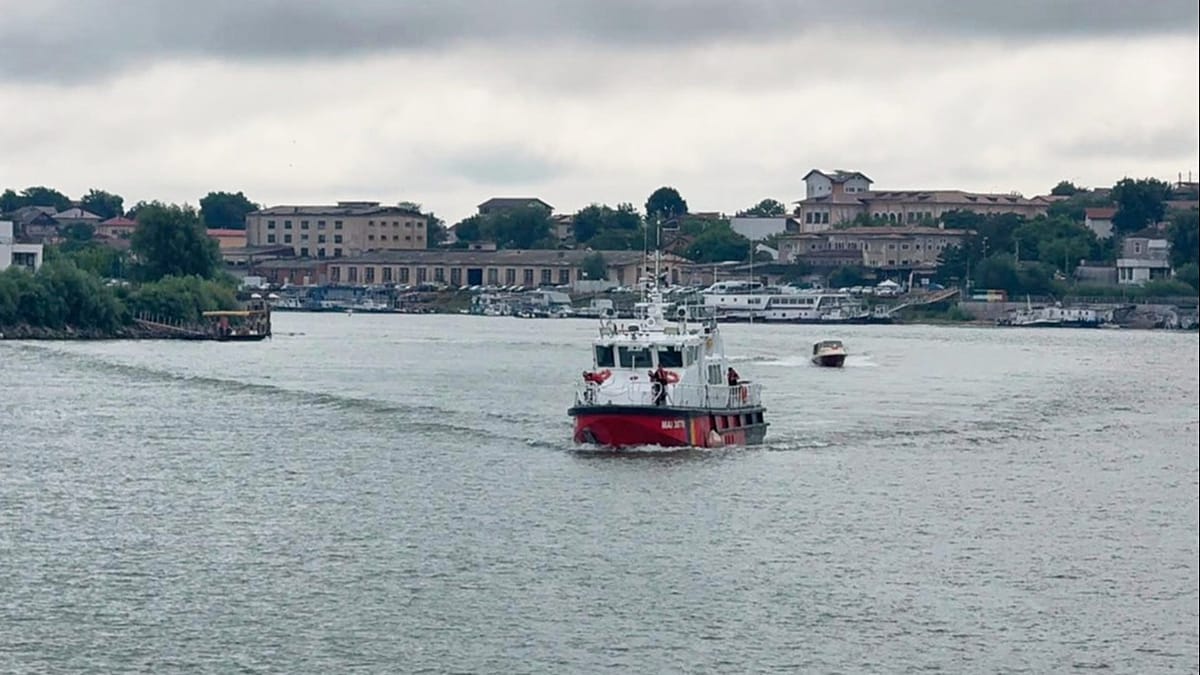
Two vessels from the Romanian Agency for the Salvage of Human Life at Sea responded swiftly, evacuating the entire crew, including the three injured members, who were brought safely to shore. The ship was carrying over 3,790 tonnes of propane from Alexandria, Egypt, and the strike reportedly sparked a major fire on board.
Broader Context of Russian Aggression
The attack on the Gas Lisbon is the latest in a series of incidents targeting maritime routes in the Black Sea, a critical corridor for Ukrainian exports and global energy supplies. Russia’s ongoing war in Ukraine, now in its fifth year, has repeatedly disrupted shipping lanes, with strikes on port infrastructure and vessels. This incident underscores the risks faced by commercial shipping in the region, particularly for cargoes destined for Ukraine.
Meanwhile, Russian forces continue to bombard Ukrainian cities. Ukrainian officials reported that overnight strikes targeted multiple regions, including Sumy, Zaporizhzhia, Kherson, and the Donbas. The Ukrainian Air Force intercepted 46 of 58 drones launched by Russia. In Kherson, one regional administration employee was killed, and another woman sustained fatal injuries. Fires broke out in Chernihiv and Sumy, requiring emergency response teams to intervene.
Ukraine has also retaliated, with Ukrainian media reporting attacks on Russia’s western city of Lipetsk, causing fires at industrial facilities. Lipetsk Regional Governor Igor Artamonov confirmed a fire but declined to attribute it to an attack. The targeted site is the NLMK steel plant, Russia’s largest steel producer, located about 400 kilometres east of Ukraine’s border.
The Black Sea incident highlights the precarious security situation in the region, where commercial shipping is increasingly caught in the crossfire. The European Union has condemned Russian attacks on civilian infrastructure, but enforcement of maritime safety remains challenging. As investigations proceed, the attack on the Gas Lisbon may prompt renewed calls for enhanced naval patrols and protective measures for vessels operating near conflict zones.