Across Europe, the tourism industry remains a major economic engine, drawing over half of all international arrivals worldwide. But for residents in the continent's most visited destinations, the cost of hosting millions of visitors is increasingly measured in rising rents—and not just during peak season.
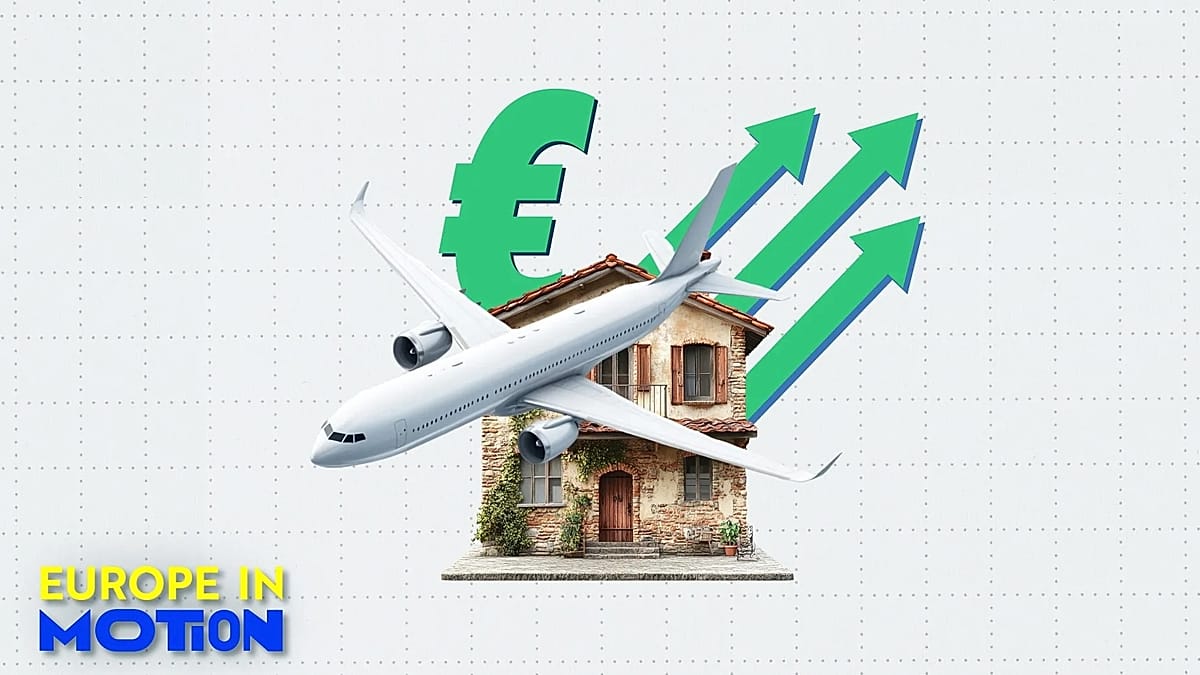
A new analysis by the New Economics Foundation, combining Eurostat rent data with air passenger volumes, reveals that tourism flows have pushed up annual rents by as much as €342 in Greece since 2019. That makes Greek residents the hardest hit among the countries studied, a trend that has fueled recent protests against overtourism in Athens, Santorini, and other hotspots.
Southern Europe bears the brunt
Spain ranks second, with an estimated annual rent increase of €236, followed by Portugal at €220 and Italy at €202. The study notes that Spain's broad rent control policies have partially blunted the impact, while Italy's relatively large housing supply has eased some pressure. Still, the cumulative effect is substantial: a Greek household now pays nearly €1,700 more per year in rent compared to 2019, purely due to tourism-related demand.
In Ireland, the situation is particularly acute in absolute terms. Rents there have risen by an additional €251 per year over the same period, and researchers warn that current plans to expand Dublin Airport will likely exacerbate the strain on an already tight housing market. The country's reliance on air travel for tourism—and its limited housing stock—make it especially vulnerable.
These findings come amid a broader wave of protests against overtourism across the continent. In the Netherlands, Amsterdam has moved to restrict short-term rentals and cruise ship visits. In Italy, Venice has proposed a €50 day-tripper fee to curb crowds, while Spanish cities like Barcelona and Palma de Mallorca have seen local demonstrations demanding limits on tourist accommodations. The common thread: residents feel priced out of their own neighborhoods.
Some might attribute rising rents to higher construction costs—up 45% across the EU over the past decade, according to Eurostat. But the study finds no correlation between construction prices and tourism-driven rent inflation in high-flow countries. In Greece, for instance, construction costs have risen modestly, yet rents have surged. The culprit, researchers argue, is overwhelmingly the conversion of long-term rental housing into short-term tourist lets, often via platforms like Airbnb.
“The link between tourism and rent is not about building more hotels,” the report states. “It’s about the displacement of local residents by visitors in the existing housing stock.”
For policymakers, the challenge is balancing economic benefits with social stability. While tourism generates billions in revenue and supports millions of jobs, the study suggests that without targeted interventions—such as rent controls, caps on short-term rentals, or investment in affordable housing—the pressure on local communities will only intensify.
As Europe heads into another summer of record travel, the question is no longer just about managing crowds, but about ensuring that the continent's most popular destinations remain livable for those who call them home.