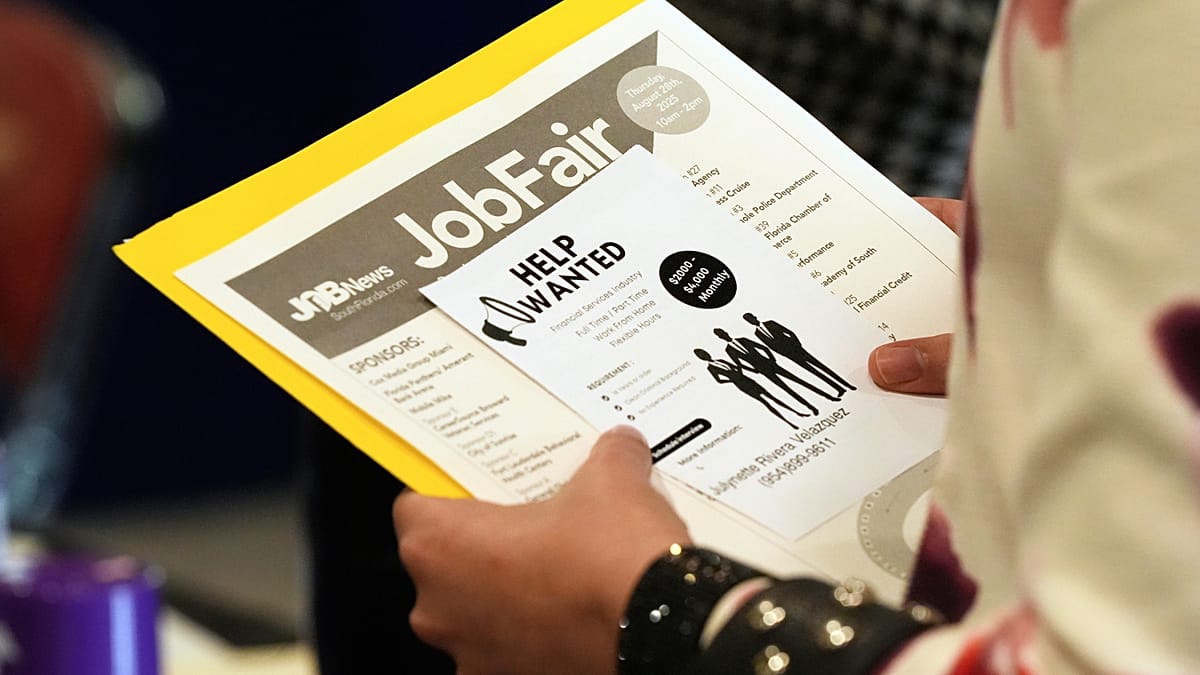
New labour market data released on Thursday reveals a growing transatlantic divide: hiring in the United States has slowed sharply, while the eurozone continues to enjoy historically low unemployment. The figures underscore how the world’s two largest advanced economies are on diverging trajectories, with implications for monetary policy on both sides of the Atlantic.
According to the US Bureau of Labor Statistics, nonfarm payrolls increased by a mere 57,000 in June, far below the 113,000 that analysts had expected and a steep drop from the 172,000 jobs added in May. Despite the weak headline number, the US unemployment rate edged down to 4.2% from 4.3% in May, offering a slightly more optimistic signal. Initial jobless claims held steady at 215,000, defying forecasts of a small rise, while continuing claims fell to 1.814 million, also below projections.
Across the Atlantic, Eurostat reported that the eurozone unemployment rate remained at 6.2% in May, unchanged from the previous month and still at a record low for the currency bloc. The figure matched market expectations and highlights the persistent tightness of European labour markets, even as broader economic uncertainties linger. This resilience is particularly notable given the European Central Bank’s continued tightening cycle.
Central Bank Implications
The divergent labour data arrives at a critical moment for both the US Federal Reserve and the European Central Bank. In the US, the sharp slowdown in payroll growth provides evidence that the labour market is finally softening under the weight of restrictive financial conditions. The Fed paused its interest rate hikes in June, keeping borrowing costs steady as it evaluates the delayed impact of previous tightening. While the drop in the unemployment rate to 4.2% complicates the picture, the dismal payroll figure is likely to reinforce a cautious stance.
Analysts suggest that if payroll numbers continue to print this low, the Fed might face pressure to discuss rate cuts later in the year to prevent a broader economic contraction in 2026. However, a single soft print is probably not enough to shift policy. “The payrolls miss reads as a growth wobble, and the knee-jerk is to price cuts back in. That’s the trap. Unemployment just fell to 4.2%, so a hawkish Fed has all the cover it needs to look through one soft payroll print, and relief may not come,” said Iggy Ioppe, CIO at Theo.
Fabian Dori, CIO at Sygnum Bank, added: “A soft print will immediately soften hike pressure, and you’ll see it in the repricing before the headline settles, but weaker data is not automatically bullish. The Warsh Fed has put more weight on inflation credibility and less on forward guidance, so one soft report may not be enough to move a Fed still focused on inflation.”
For the European Central Bank, the picture is clearer. The unwavering 6.2% unemployment rate highlights persistent domestic demand for workers and keeps inflation as the priority issue. The ECB proceeded with another interest rate hike in June, citing stubborn price pressures. With employment hovering at historic highs, European policymakers may feel fully justified in maintaining a strict, hawkish posture. The contrast with the US could not be starker: while the Fed may be edging toward a pause or even cuts, the ECB appears locked into a tightening path.
The data also raises questions about the broader European economy. While the eurozone labour market remains tight, other indicators, such as the record ocean heat threatening Europe with sea level rise and extreme weather, and the Spain's second-hottest June on record linked to nearly 900 excess deaths, point to environmental and health pressures that could weigh on economic activity. Meanwhile, the World Bank's new Madrid office signals efforts to boost private investment, but the overall outlook remains uncertain.
For now, the transatlantic jobs gap is a reminder that Europe’s labour market resilience is not just a statistical curiosity—it is a key factor in the ECB’s policy calculus. As the US economy shows signs of cooling, European policymakers will be watching closely to see whether their own labour market can maintain its strength in the face of persistent inflation and global headwinds.