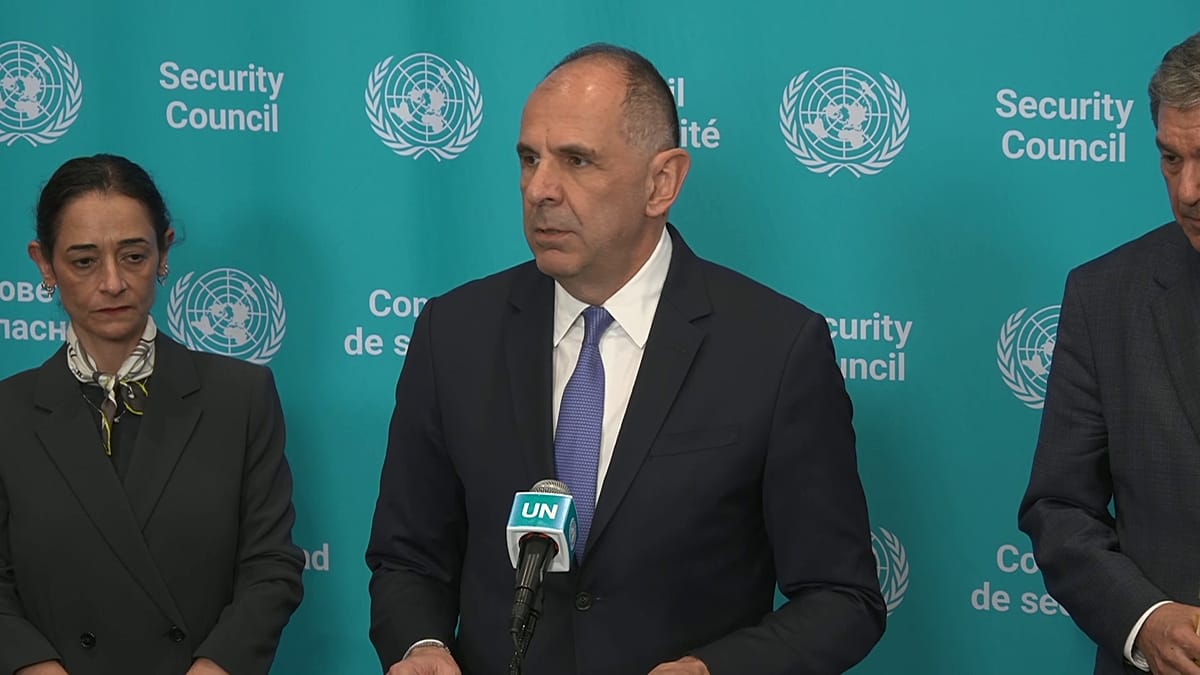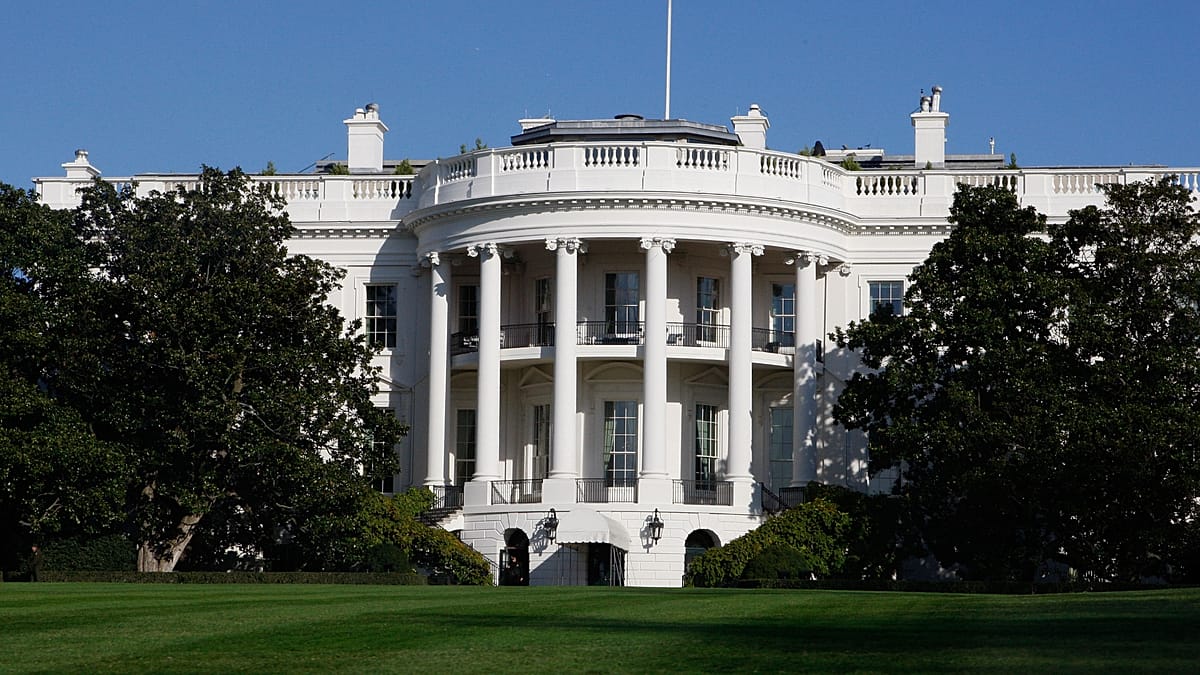
US President Donald Trump is set to host the leaders of Ukraine and Israel at the White House on Tuesday in back-to-back meetings that will test his administration's efforts to shape conflicts in Europe and the Middle East. Ukrainian President Volodymyr Zelenskyy will meet Trump first, seeking to secure continued US backing for Kyiv more than four years after Russia's full-scale invasion. Later, Israeli Prime Minister Benjamin Netanyahu will hold his first face-to-face talks with the US president since the outbreak of the Iran war, with Tehran expected to dominate discussions.
The meetings come at a pivotal moment for Trump's foreign policy, as Washington tries to revive diplomatic initiatives while at times escalating military action. Ahead of Zelenskyy's visit, Russia and Ukraine intensified their long-range attacks. More than 390 Ukrainian drones targeted the Moscow region overnight, according to Russian officials, who reported damage to residential buildings.
"We are preparing for a meeting with the president of the United States and his team," Zelenskyy said. He added that he hoped Washington "will continue to support Ukraine and that we can end this war with a dignified peace."
Strained relations and shifting support
Relations between Trump and Zelenskyy have often been strained, but the US president has adopted a more conciliatory tone towards his Ukrainian counterpart in recent weeks. Since returning to office last year, Trump has largely halted direct US arms deliveries to Kyiv in favour of the PURL programme, under which European countries purchase American-made weapons before transferring them to Ukraine. Washington has, however, continued to provide intelligence support and access to the Starlink satellite communications network used by Ukrainian forces.
European allies have stepped up their own commitments. Earlier this month, UK's Burnham met Zelenskyy and pledged a new drone factory and missile interceptors, underscoring the continent's growing role in arming Ukraine. Meanwhile, a fake Euronews video falsely claimed that Zelenskyy's parents were being investigated for corruption, highlighting the disinformation campaigns that continue to target the Ukrainian leadership.
Netanyahu and the Iran conflict
Trump will then welcome Netanyahu as the two leaders seek to overcome recent public disagreements over the Iran conflict. Their relationship came under strain during ceasefire negotiations earlier this year, when Trump publicly criticised the Israeli leader, although both have since sought to play down their differences.
"This is a great responsibility," Netanyahu said before departing Israel. "We will discuss all the issues on the agenda, first and foremost Iran. Naturally, our goal is to safeguard our security and also to expand the circle of peace around us."
The two leaders are expected to focus on the war with Iran as Washington presses for negotiations to resume, while also discussing implementation of a US-backed agreement between Israel and Lebanon and efforts to revive Gaza's reconstruction, which have stalled nearly three years after the 7 October 2023 attacks in southern Israel by Hamas were followed by a years-long offensive by Israel's military on the territory.
Trump has recently ruled out Iran talks as US war costs surge past $37 billion, a stance that complicates any diplomatic push. The White House's dual agenda—brokering peace in Ukraine while escalating military action in the Middle East—highlights the delicate balancing act Washington faces on the global stage.
For European observers, the outcome of these meetings carries significant implications. Continued US support for Ukraine remains critical for European security, while the trajectory of the Iran conflict affects energy markets and migration flows across the continent. As Trump navigates these high-stakes talks, European capitals will be watching closely for signs of Washington's long-term strategy.