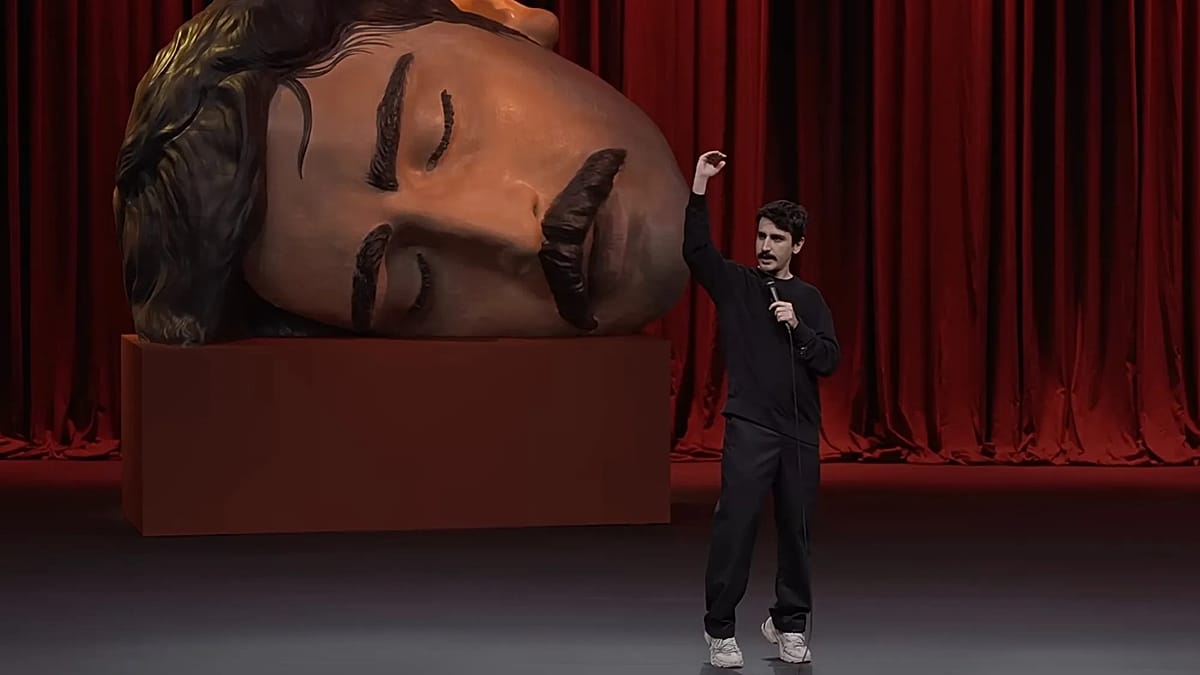
Deniz Göktaş, a 32-year-old comedian known for his sharp political satire, appeared before an Istanbul court on Monday to face charges of insulting President Recep Tayyip Erdoğan and other offences linked to a stand-up performance in June. The show, recorded and posted on YouTube, has been viewed nearly nine million times.
Göktaş was arrested on 3 July, a week after the video went online, and has remained in pre-trial detention at Karatepe high-security prison, about 120 kilometres west of Istanbul. Prosecutors initially charged him with insulting the president and inciting public hatred, later adding a charge of praising crime and criminals, according to the indictment.
The case has drawn attention beyond Turkey's borders. Observers from the Dutch embassy and the US consulate attended the hearing, while dozens of supporters, including fellow comedians from Istanbul's TuzBiber comedy club, gathered outside the Çağlayan courthouse in the rain, chanting “Deniz Göktaş is not alone!”.
A widening crackdown
Göktaş's arrest is the latest in a broader clampdown on critics of Turkey's conservative government. Over the past years, hundreds of politicians, artists, musicians, journalists, and LGBTQ+ activists have been detained or prosecuted for expressing views deemed hostile to the state or its values. The trend has raised concerns among European governments and human rights organisations about the erosion of free speech in a NATO member state and EU candidate country.
The comedian's legal troubles stem from a 90-minute show in which he joked about Erdoğan and other political figures. In a post on X from jail in late August, he wrote: “A 90-minute show spawns a new charge every two months,” referring to the added accusation “for a joke about the Daltons,” a reference to one of Turkey's organised crime groups.
Turkish media, citing the Anka news agency, estimate that if convicted on all charges, Göktaş could face more than a decade in prison. The indictment does not specify a clear sentence, but legal experts suggest the cumulative penalties could be severe.
Göktaş has used his occasional posts on X to offer wry observations about prison life. On the eve of his first court appearance, he wrote: “After 88 days, I'll be handcuffed for the first time and hear a car horn. I'm definitely not missing the handcuffs.”
The trial comes at a time when Turkey's relations with the European Union are under strain, with disputes over maritime boundaries, migration, and human rights. The case is likely to be watched closely in Brussels and other European capitals, where officials have repeatedly urged Ankara to uphold judicial independence and freedom of expression.
For now, Göktaş remains in detention, and the court has not yet set a date for a verdict. His supporters, both in Turkey and abroad, see the trial as a test of the country's commitment to democratic norms.