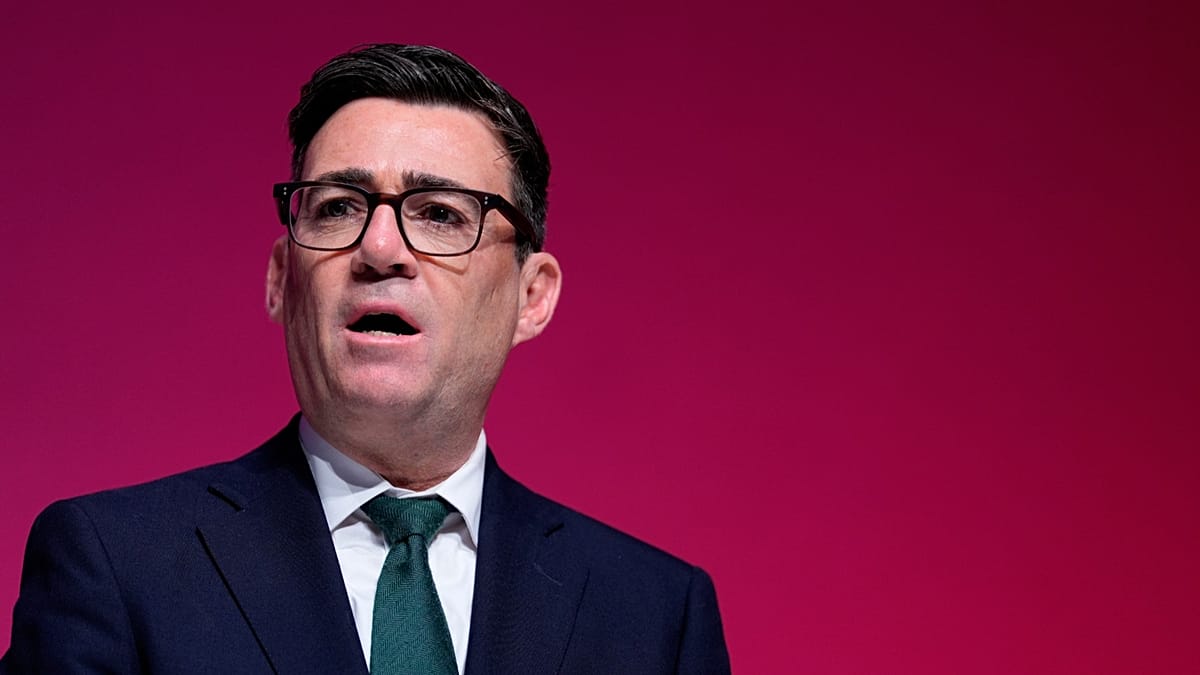
British Prime Minister Andy Burnham has become the first UK leader to publicly confirm that Russia interfered in the 2016 referendum on leaving the European Union. In an interview on The Rest is Politics podcast, Burnham said he had asked advisers about the matter shortly after taking office in July and received a clear affirmative answer.
“I’ve had the clear answer that yes, there was,” Burnham said. He stressed the importance of putting this on the record, adding: “These things are important now to put clearly on the record and I believe help voters in Germany and France understand that some of this politics is instigated via our enemies, namely Russia.” Moscow has consistently denied meddling in foreign elections or referendums.
Burnham’s remarks come amid warnings from UK intelligence agencies about a growing threat of Russian interference in British democratic institutions. A 2020 parliamentary committee had already concluded that the government failed to fully assess the potential impact of Russian state media and “troll” accounts on the Brexit vote.
AfD links to Russia discussed in Berlin
During a visit to Berlin last week, Burnham discussed with German Chancellor Friedrich Merz the alleged connections between Russia and the far-right Alternative for Germany (AfD). Burnham recounted Merz’s assessment: “You know he was saying to me that the AfD are clearly linked to Russia, funded I believe.” He added that “there is certainly misinformation, disinformation that is emanating from Russia into German politics.”
The revelations come at a time when European leaders are increasingly concerned about Russian influence operations across the continent. The security alert in Poland following warnings of a possible attack on Prime Minister Donald Tusk and the defence minister underscores the heightened threat environment.
Burnham’s comments also resonate with ongoing debates in France and Germany about foreign interference in their own electoral processes. As European voters prepare for upcoming elections, the question of how to counter disinformation from hostile actors remains a pressing challenge.
Domestic pressure over UAE ties
At home, Burnham faces criticism over his relationship with Manchester City, the Premier League club backed by the United Arab Emirates, which was found guilty last month of widespread financial rule breaches. The former mayor of Greater Manchester drew backlash for saying he would be “really concerned” to lose the club’s wealthy Arab owners.
According to analysis by The Sun, Labour MPs have accepted around €325,500 in hospitality and foreign trips from the UAE—far more than any other party. On the podcast, Burnham agreed to an opposition request to publish details of his meetings with the club’s owners, revealing he had held only one significant meeting, in 2021.
However, this disclosure will not include information about a private meeting between Manchester City chairman Khaldoon Al Mubarak and Business Secretary Jonathan Reynolds at Downing Street on 14 September, just 11 days before the club’s guilty verdict. Reports suggest the talks were held in Al Mubarak’s separate role as chief executive of Abu Dhabi’s sovereign wealth fund, Mubadala, and focused on defence, security intelligence, and trade.
The timing of that meeting has raised eyebrows, though officials insist it was unrelated to the football club’s legal troubles. Burnham’s willingness to address Russian interference in the Brexit vote contrasts with the opacity surrounding his government’s interactions with Gulf state representatives.
As the UK navigates its post-Brexit relationship with Europe, Burnham’s acknowledgment of Russian meddling adds a new dimension to the ongoing debate about the integrity of democratic processes. It also highlights the delicate balance European leaders must strike between addressing external threats and managing domestic political controversies.



