Ukrainian President Volodymyr Zelenskyy has stated his goal of ending Russia's full-scale invasion before the next winter, or at least securing a ceasefire by then, as he accused Moscow of avoiding genuine negotiations. Speaking after the G7 summit in Évian, Zelenskyy noted a growing consensus among Western allies that President Vladimir Putin is deliberately prolonging the conflict.
“Everyone sees that there is no desire on Russia’s part to end this – that it is playing games, that it is Putin who does not want to end it. But he must be forced to do so,” Zelenskyy said in a voice message shared on his presidential WhatsApp channel. He emphasized that sanctions remain the most effective tool to pressure Moscow into talks, but as long as Putin refuses direct dialogue, Ukraine must prioritize strengthening its air defenses, particularly against ballistic missile threats.
License for Patriots: A Strategic Shift
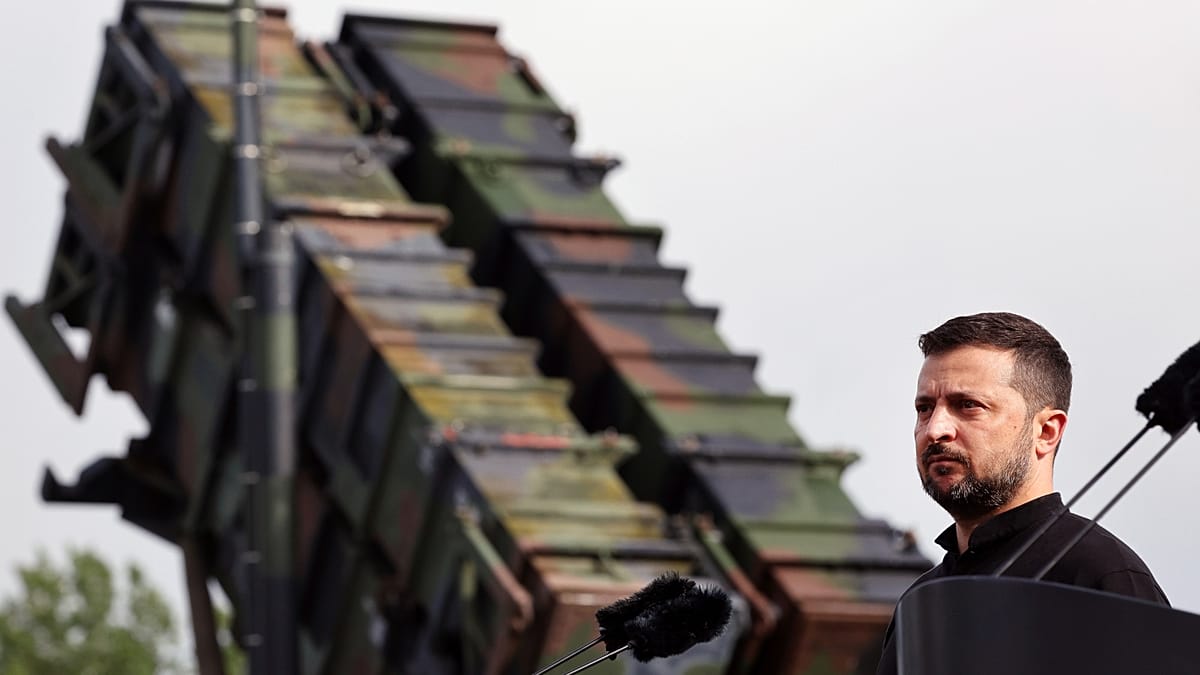
One of the central topics at the G7 summit was the provision of air defense systems for Ukraine. Zelenskyy confirmed that “everyone recognises this, and everyone will help,” adding that “the entire G7 will work to strengthen our defences.” However, beyond purchasing additional US-made Patriot systems and interceptors, Kyiv is seeking the ability to manufacture them domestically. Zelenskyy raised the issue with US President Donald Trump during a bilateral meeting on the summit's sidelines.
“I discussed with Trump the transfer of licenses for the production of these systems,” Zelenskyy said. “The US leader responded positively. Our team will be working on this. God willing, this time we will manage to obtain licences to manufacture the relevant anti-ballistic systems and missiles.”
The Patriot system, manufactured by Raytheon and Lockheed Martin, remains the only surface-to-air missile system in Ukraine's arsenal capable of countering Moscow's ballistic missile threat. It is widely used by US allies, including Gulf states, but recent conflicts have depleted global stockpiles. According to some estimates, Gulf states have collectively fired more than 1,100 Patriot interceptors in the past few months. Lockheed Martin produces roughly 600 interceptors annually, with monthly production peaking at 60-65 missiles. In contrast, Russia has the capacity to produce about 120 ballistic missiles per month, along with other missile varieties. Moscow has exploited Ukraine's interceptor shortage, launching over 30 ballistic missiles per night against Ukrainian cities.
Drone Expertise: Ukraine as a Provider
While Ukraine faces a shortage of ballistic missile interceptors, its interception rate for cruise missiles stands at around 80 percent, according to the US-based Institute for the Study of War. More notably, Ukraine has mastered drone-countering expertise, intercepting over 90 percent of Russian drones, which are launched in their hundreds every night. This is achieved with domestically manufactured weapons and know-how, making Ukraine not only a receiver but also a potential provider of air defense for countries in the Middle East and Europe.
Zelenskyy said drone deals were discussed at the G7, and Kyiv is about to strike a major agreement with Canada. This development underscores Ukraine's growing role in European security, as its expertise could help protect other nations from drone threats. The Ukrainian drone strike that set a Moscow oil refinery ablaze highlights the dual nature of this technology.
As the war continues, Ukraine's push for Patriot production licenses and its drone capabilities represent a strategic shift. If successful, Kyiv could become a key manufacturer of advanced air defense systems for Europe, reducing dependence on US production and strengthening the continent's security architecture. The G7 summit in Évian also addressed broader issues, including energy security and the Iran deal, but Ukraine's defense needs remained a top priority.