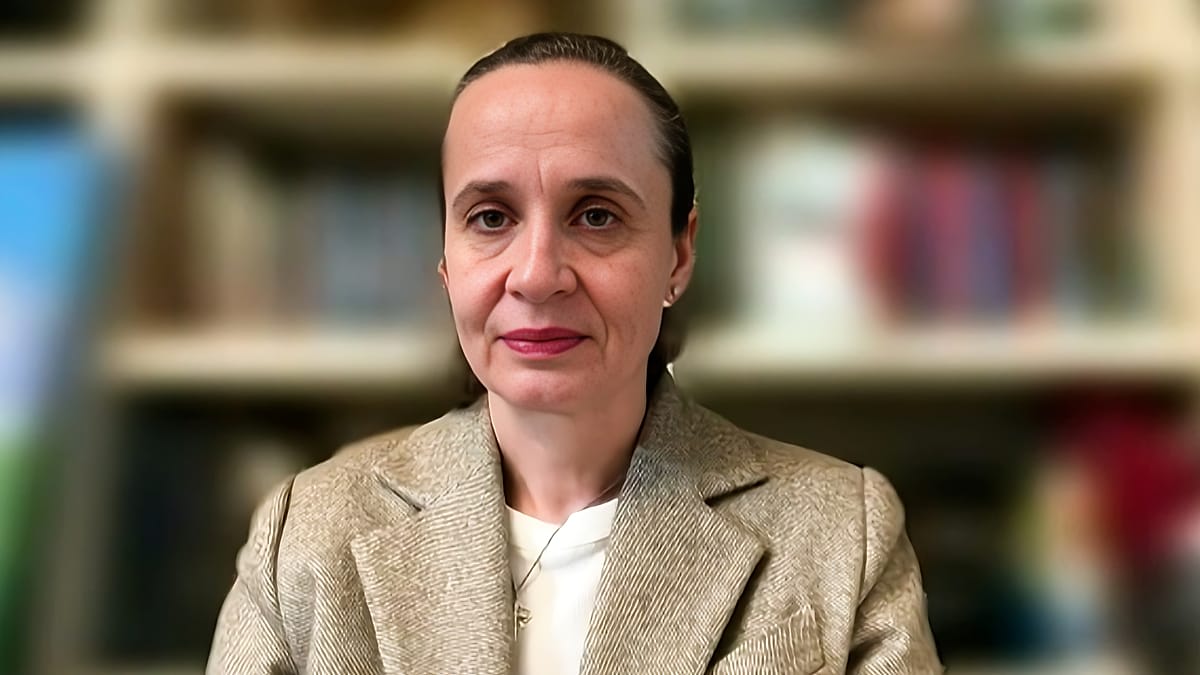
Yulia Klymenko, a member of Ukraine's parliament, has condemned Russia's latest wave of attacks on civilian areas as "war crimes done by Putin." Speaking after a strike that killed at least 33 civilians, she argued that Moscow's military is unable to make progress on the front line and has therefore turned its firepower against ordinary people.
"Russia cannot achieve anything on the front line," Klymenko said in an interview. "So they are waging a fight and genocide against civilians." Her remarks come amid a series of devastating bombardments that have hit residential neighbourhoods, hospitals, and energy infrastructure across Ukraine, from Kyiv to Kharkiv to Odesa.
A two-pronged response
Klymenko outlined what she believes should be Ukraine's immediate strategy: first, significantly bolster its air defence systems to protect cities and critical infrastructure; second, resume diplomatic efforts to end the conflict. She stressed that while Ukraine is open to negotiations, the "only person" who can actually stop the war is Russian President Vladimir Putin.
Her comments reflect a growing frustration in Kyiv that Western allies have been too slow in delivering advanced air defence systems, such as Patriot batteries and F-16 fighter jets. Despite repeated appeals, Ukraine's airspace remains vulnerable to Russian missiles and drones, many of which are launched from bases deep inside Russia.
The latest attacks have also heightened concerns about the approaching winter. As temperatures drop, frontline cities are struggling to survive another winter with limited power and heating after Russian strikes have crippled much of the energy grid. Local authorities in cities like Zaporizhzhia and Mykolaiv have already begun emergency preparations, but the scale of destruction is immense.
International reactions and European solidarity
European leaders have condemned the strikes, with several calling for additional sanctions against Moscow. The European Parliament recently urged a tougher EU stance on China over its continued support for Russia, highlighting the bloc's concern about the broader geopolitical implications of the war.
Meanwhile, NATO member states have stepped up their own defensive measures. In Romania, Spanish F-18s scrambled after a drone alert near the Ukrainian border, underscoring the risk of spillover. The incident served as a reminder that the conflict is not confined to Ukraine's territory, and that European security is directly at stake.
Klymenko's call for peace talks echoes a sentiment shared by some in the international community, but she is clear that any negotiation must be based on Ukraine's terms. "We are ready to talk, but we will not surrender," she said. "The only person who can stop this is Putin. He started it, and he can end it."
As the war enters its third year, the human toll continues to mount. The United Nations has documented thousands of civilian casualties, and millions have been displaced. The latest attacks, which Klymenko describes as deliberate acts of terror, have only deepened the resolve of Ukrainians to defend their sovereignty.
For now, Ukraine's immediate needs remain clear: more air defence, more ammunition, and a unified European response that matches the gravity of the situation. Whether Putin will ever face justice for what Klymenko calls his war crimes remains an open question, but she insists that history will judge him harshly.