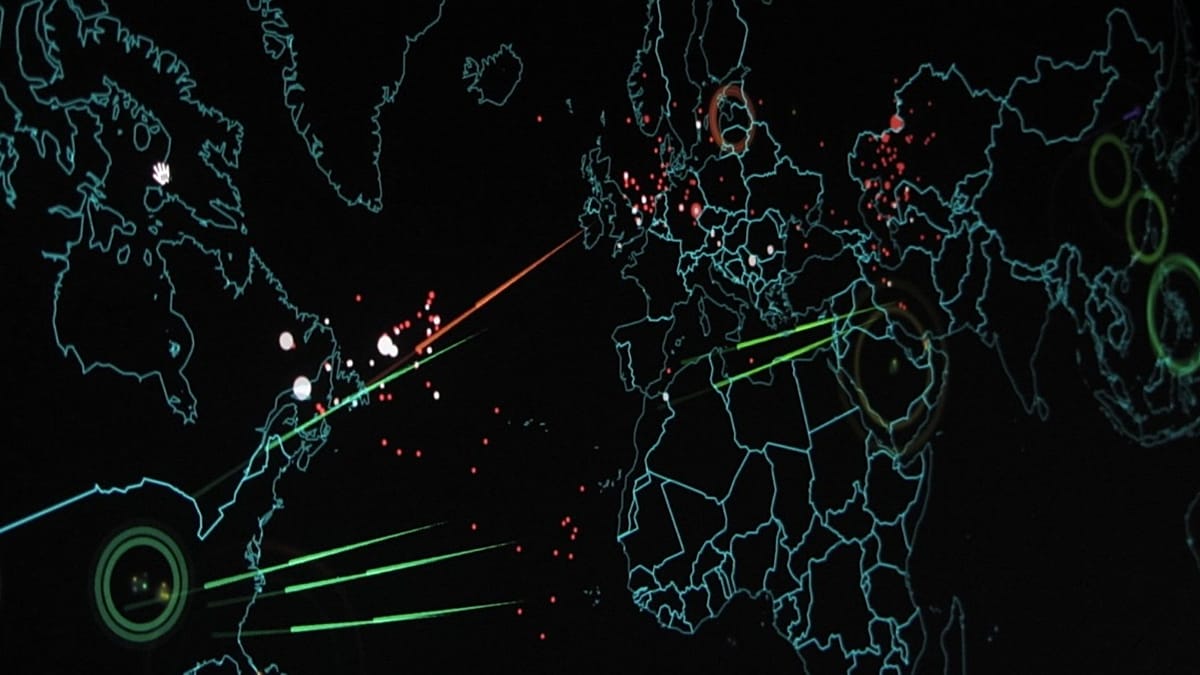
In the months leading up to Spain's general election on 29 November, European security officials and independent analysts have documented a sharp rise in hybrid attacks that go beyond the digital realm. According to the European Union Agency for Cybersecurity (ENISA) and investigative reporting, more than 50 physical incidents linked to foreign intelligence have been recorded in the past six months, alongside thousands of cyberattacks. These incidents have disrupted everyday services and critical infrastructure across the continent, from hospitals to transport networks.
Spain, with its strategic location and political significance, has emerged as a prime target. Carlos Galán Cordero, a professor at Nebrija University and an expert in hybrid threats, warns that disinformation is the primary tool used by foreign actors. "Spain is an attractive target for foreign powers. We know that Russia uses disinformation as its main instrument, but there are other actors that resort to different tactics to influence elections or stir up the streets, provoking social unrest," he said.
Shielding critical infrastructure and electoral integrity
The challenge is multifaceted. Protecting the electoral process requires not only securing voting systems but also safeguarding the broader infrastructure that underpins daily life. Galán Cordero stresses the urgency of modernising IT systems in key sectors such as healthcare, food supply, and energy, while enhancing intelligence sharing and establishing rapid reaction teams at the European level.
Spain has already activated its own preventive shield, coordinated with Brussels. Recent disinformation campaigns, such as one detected by the fact-checking platform Maldita.es, had limited impact, but experts caution against complacency. "There are many actors with a strong interest in seeing one candidate or another win," Galán Cordero notes, pointing to multiple foreign powers seeking to influence the outcome.
Europe's coordinated response
The European Union has significantly tightened its common strategy between 2024 and 2026 in response to the surge in sabotage, cyberattacks, and electoral interference. However, national security remains the responsibility of each member state, so the EU model functions as a coordination network rather than a single agency. The recent wave of cyber incidents across Europe has underscored the need for such coordination.
Brussels has a range of tools at its disposal, including the EU Hybrid Toolbox, which allows for sanctions and joint responses, and the new Emergency Security Protocol proposed by European Commission President Ursula von der Leyen in September 2026, inspired by Article 4 of NATO. The NIS2 and CER directives impose strict cybersecurity and early warning standards in vital sectors, while the Digital Services Act (DSA) and the European Democracy Shield aim to ensure transparency on platforms like TikTok and X.
Migration as a geopolitical weapon
Focusing solely on Russia would give a skewed picture. Other countries use hybrid tactics, including the weaponisation of migration, to exert pressure. Galán Cordero explains: "Migration can indeed be used as a means of creating instability." The mass entry into Ceuta in 2021, which Spain has not formally attributed to Morocco, is a case in point. Pro-Moroccan networks coordinated during that episode show how third powers exploit regional vulnerabilities without leaving an official trace.
This "grey zone" approach is part of a broader geopolitical contest. Galán Cordero recalls a meme depicting Spain as a coveted piece on the global chessboard, fought over by Washington, Beijing, Moscow, Rabat, and Tel Aviv. "The truth is that there is already a contingency plan under way that is detecting and neutralising these actions in time," he adds.
Protecting the information space
Beyond infrastructure, safeguarding the information environment is crucial. Digital platforms must provide genuine transparency about their algorithms and political funding, and citizens need stronger media literacy to make disinformation less effective. The hybrid offensive is no longer an abstract threat; it is hitting everyday life. Recent weeks have seen fake bomb threats on flights and in schools, as well as sophisticated cyberattacks on blood banks, endangering vital reserves for transfusions and clinical trials.
This gap between technological speed and institutional response capacity defines today's information ecosystem. In his book La guerra: teoría para comprender los conflictos del siglo XXI, Spanish military officer Federico Aznar warns that "old solutions no longer work," and the new ones do not quite match the problems they are meant to address. That questioning of the current model is what underlies the idea of post-truth.
As Spain approaches its snap election, the preventive measures combine national security architecture with European cooperation. The focus is on key areas: cybersecurity, monitoring of disinformation, and rapid response to incidents. The outcome of this election will not only shape Spain's future but also test the resilience of Europe's democratic processes against hybrid threats.