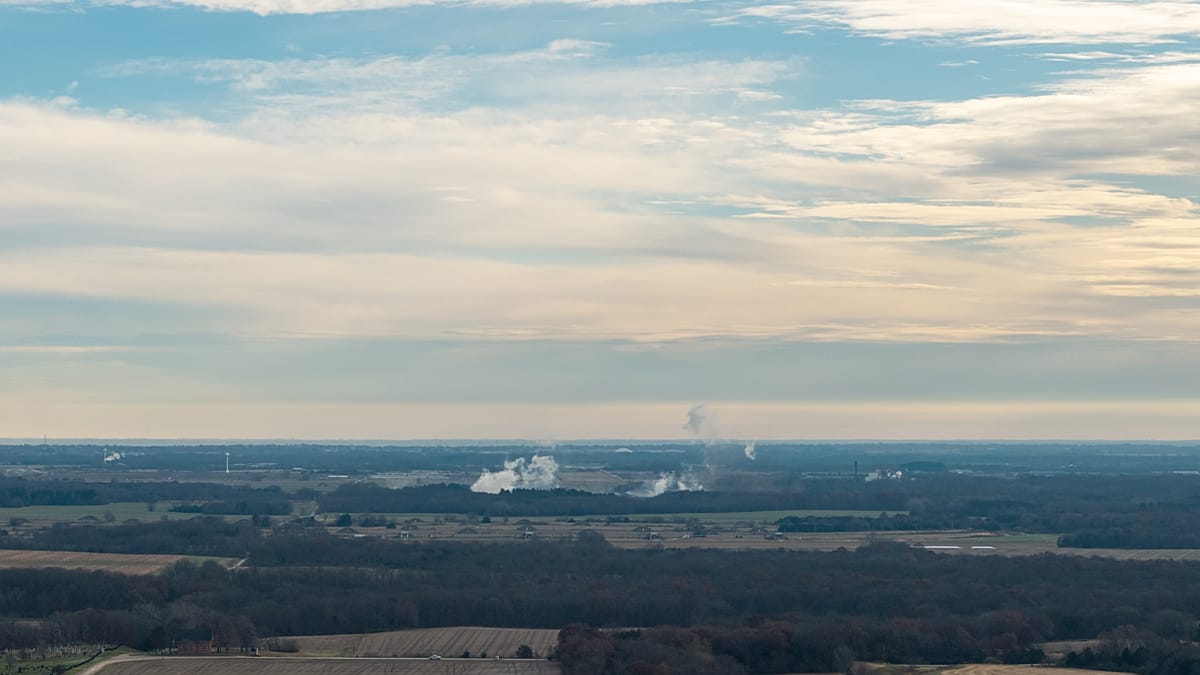
A controlled explosion at the Iowa Army Ammunition Plant in Middletown on Wednesday sent a massive plume of smoke into the sky as the US Army destroyed its entire stockpile of lead azide, a highly sensitive explosive used in munition detonators. The operation, which involved roughly five tonnes of the degraded compound, was carried out to eliminate a safety hazard, but it has also sparked concerns about potential health and environmental fallout.
Containment measures and local impact
Army officials said the blast was contained using a combination of barriers, ballistic gels, and foams designed to suppress the spread of lead dust. These measures were intended to protect nearby communities and the surrounding environment from contamination. Residents in the area had been advised in advance to prepare for a possible evacuation, though no mandatory order was issued.
The Iowa Army Ammunition Plant, located about 130 kilometres east of Des Moines, has been a key facility for the US military for decades, producing and storing munitions components. The decision to destroy the lead azide stockpile comes after routine inspections revealed that the chemical had degraded over time, making it increasingly unstable and a potential risk to personnel and the surrounding area.
Health and environmental questions
Lead azide is a primary explosive that can detonate when subjected to shock, friction, or heat. Its breakdown products include lead, a neurotoxin that can accumulate in soil and water. While the Army maintains that the controlled detonation was the safest method of disposal, environmental groups and local residents have raised questions about the long-term effects on air and water quality in the region.
Similar concerns have been voiced in other parts of the world where military stockpiles are being eliminated. In Europe, the issue of obsolete munitions and their safe disposal has become increasingly relevant, particularly as several countries review their own stockpiles. The European Union has funded projects to safely destroy old ammunition in the Balkans and the Baltic states, where leftover ordnance from past conflicts poses a persistent threat.
The Iowa operation also highlights broader questions about the management of hazardous materials. In a separate context, France's plans for strategic stockpiles of critical minerals underscore how governments are grappling with supply chain security and the environmental legacy of industrial activities.
No immediate threat, but monitoring continues
Officials said air monitoring stations were set up around the plant before the blast, and results from those sensors will be analysed in the coming days. The Army has pledged to share the data with state and local authorities, and to conduct soil and water testing in the aftermath.
For now, the immediate danger appears to have passed. The stockpile, which had been stored in specially designed bunkers, is gone, and the risk of an accidental detonation has been eliminated. But the incident serves as a reminder of the delicate balance between military readiness and environmental stewardship.
As the US military continues to modernise its arsenal, similar disposal operations are likely to occur elsewhere. The lessons learned in Iowa could inform how other nations, including those in Europe, handle their own ageing munitions. In the meantime, residents of Middletown are left to wait for the monitoring results, hoping that the blast that cleared the sky will not leave a lasting mark on their community.