Ukraine and Russia carried out a prisoner exchange on Friday, swapping 205 servicemen each in what Kyiv described as the first phase of a broader 1,000-for-1,000 deal. The exchange, brokered by the United States, comes amid stalled diplomatic efforts to end Russia's full-scale invasion, now in its fourth year.
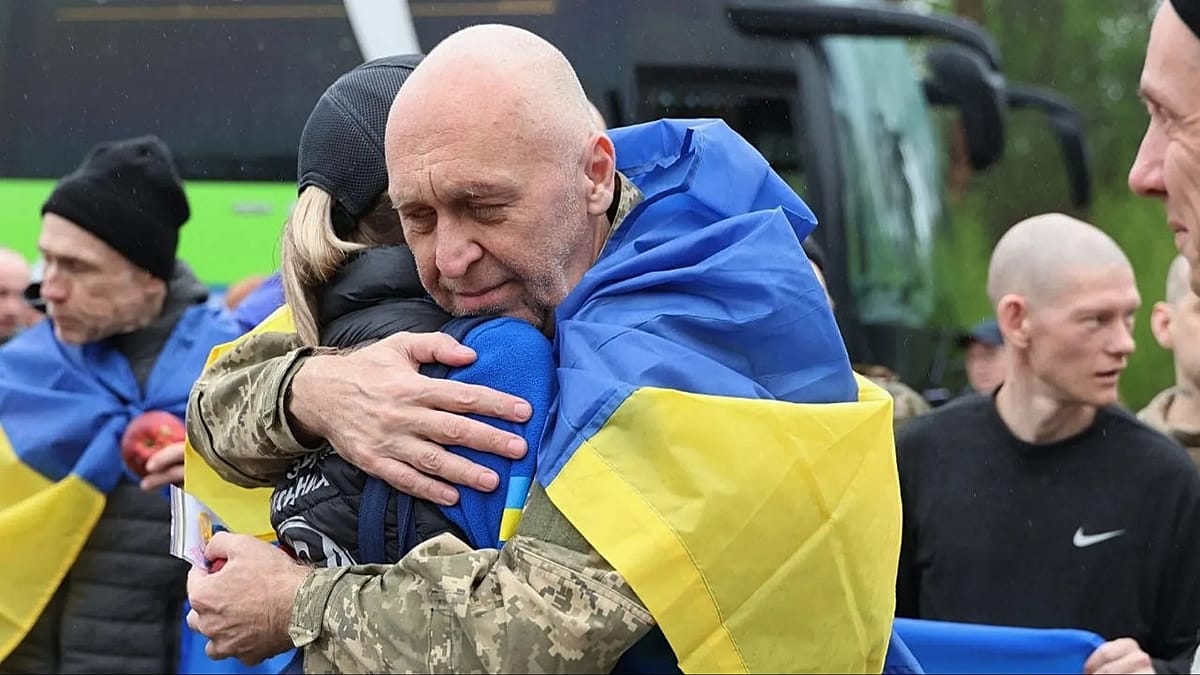
Ukrainian President Volodymyr Zelenskyy announced the return of 205 Ukrainians via Telegram, noting that most had been in Russian captivity since 2022. Among those released were soldiers who fought in the battle for the Azovstal steelworks in Mariupol and defenders of the Chernobyl exclusion zone, which briefly fell to Russian forces at the start of the war. Photographs shared by Zelenskyy showed the freed prisoners wrapped in blue-and-yellow national flags, smiling and embracing.
Russia's defence ministry confirmed the exchange on social media, stating that 205 Russian servicemen had been returned and that the Ukrainian side had handed over an equal number. The ministry added that the Russian troops were taken to Belarus, a close ally of Moscow, where they are receiving psychological and medical assistance. The United Arab Emirates provided humanitarian support during the process.
Ceasefire and Conditions
The prisoner swap was announced by US President Donald Trump on 8 May as part of a three-day ceasefire covering Russia's Victory Day parade on 9 May, which commemorates the end of World War II. Kyiv confirmed that the return of prisoners was its main condition for agreeing to the truce, specifically refraining from targeting the parade in Moscow. Zelenskyy stated, "Red Square is less important to us than the lives of Ukrainian prisoners, who can be returned home."
Despite the ceasefire, both sides have accused each other of violations. Ukraine reported that Russia intensified strikes against civilians, killing at least 24 people in a barrage of 675 drones and 56 missiles targeting Kyiv on Thursday. The attack hit homes, residential apartment blocks, and civilian infrastructure, according to the Ukrainian air force. For more on the escalation, see Russian Drone and Missile Barrage Kills 24 in Ukraine, Hits Kyiv Hard.
The prisoner exchanges remain the only tangible outcome of US-led talks to end the war, with broader diplomatic efforts stalled for weeks. The 1,000-for-1,000 swap is the largest such deal since the conflict began, though it falls short of the comprehensive peace negotiations that European leaders have called for.
European capitals have watched the developments closely, with many EU member states maintaining sanctions on Russia and providing military aid to Ukraine. The exchange highlights the ongoing human toll of the war, which has seen tens of thousands of prisoners taken by both sides. The role of Belarus as a transit point for Russian prisoners underscores Minsk's continued alignment with Moscow, despite international condemnation.
As the war grinds on, the prisoner swap offers a rare moment of humanitarian relief, but it does little to alter the broader strategic impasse. The European Union continues to push for a negotiated settlement, but with no breakthrough in sight, such exchanges may remain the only avenue for reducing suffering on both sides.