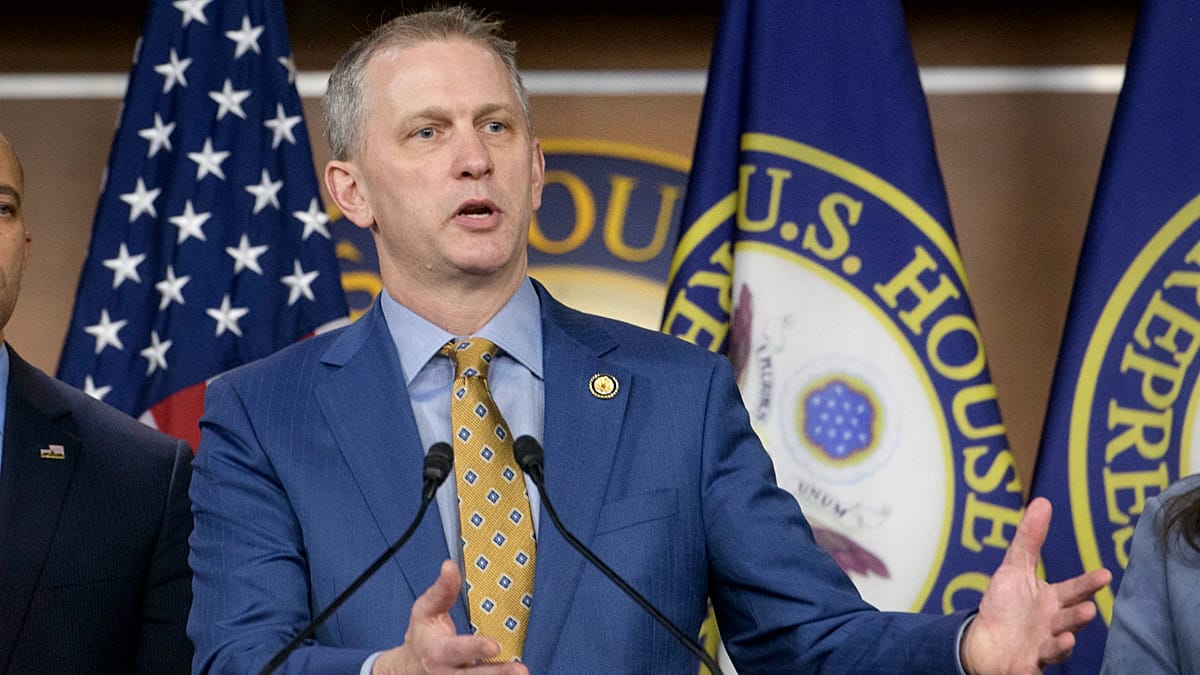
Five Democratic members of the US House of Representatives have sent a letter to the European Commission urging it to resist mounting pressure from fossil fuel interests and the Trump administration to weaken or delay the bloc's methane regulations. The lawmakers argue that maintaining clear and consistent rules is essential for Europe's energy security and for reducing potent greenhouse gas emissions.
The letter, dated 1 July and signed by Sean Casten, Herbert C. Conaway Jr., Maxine Dexter, Sydney Kamlager-Dove, and Deborah K. Ross, comes at a critical juncture. The European Commission is reportedly considering recommending that EU governments suspend penalties for non-compliance with the methane rules for three years, a move that critics say would effectively gut the regulation.
Methane Rules Under Fire
The EU's methane rules, adopted in May 2024, represent the bloc's first comprehensive framework for measuring, reporting, and verifying methane emissions in the energy sector. Methane, which is primarily released during fossil fuel production and livestock digestion, has a global warming potential more than 80 times greater than carbon dioxide over a 20-year period. According to the International Energy Agency, methane is responsible for roughly 30 percent of the rise in global temperatures since the Industrial Revolution.
Industry groups and some EU member states have argued that the rules could lead to volatile energy prices and reduce the competitiveness of European industry. However, the US lawmakers sharply reject this narrative, citing data from the independent energy research firm Rystad Energy that shows "no credible evidence" linking the methane rules to recent oil or gas price surges.
Instead, the lawmakers frame the methane rules as a "waste prevention measure," pointing to IEA estimates that global efforts to curb operational methane leaks and non-emergency flaring could unlock 200 billion cubic meters of natural gas annually. That volume is roughly double the amount lost to major geopolitical disruptions, such as the closure of the Strait of Hormuz, which previously carried about 20 percent of global oil and gas flows.
Climate Policy as Geopolitical Leverage
The letter also highlights a growing consensus among EU lawmakers that climate policy is no longer a standalone green issue but a "defining test" of the bloc's geopolitical resilience and industrial competitiveness. By penalising high-emission imports through carbon pricing rules, the US lawmakers argue, the EU can encourage global market rules that reward innovation, enforce corporate transparency, and shield supply chains from carbon-intensive vulnerabilities.
This plea comes as global methane emissions continue to rise despite a 2021 global pledge to reduce them, the COP30 climate summit recently warned. United Nations Secretary-General António Guterres reinforced the urgency during London Climate Action Week, calling for bold action to reduce methane emissions as the quickest short-term solution to address global warming.
The US lawmakers defend a unified front to protect predictable market rules, noting that backsliding on methane would send a damaging signal to global investors who have already channelled capital into CO2 emissions monitoring technologies. "We respectfully encourage the European Commission to stay the course and are committed to working with key partners to support implementation," the letter reads.
The European Commission is expected to make a recommendation on the methane rules in the coming weeks, a decision that will be closely watched by both industry and environmental groups. The outcome will also test the EU's ability to balance energy security concerns with its climate ambitions, a challenge that has become increasingly acute amid the war in Ukraine and the resulting energy crisis.