Uzbekistan is rapidly developing its domestic healthcare infrastructure to perform highly complex pediatric surgeries, a strategic move that is reducing the need for families to seek prohibitively expensive treatment abroad. According to national health data, the country introduced 199 new treatment techniques and 179 diagnostic methods in specialized centers in 2025, while deploying artificial intelligence across 43 types of medical procedures.
This expansion is most evident in the treatment of rare and complex conditions in children. Facilities across the country's regions now perform 379 types of such surgical operations, marking a significant shift in medical capability.
A Centralized Hub for Advanced Care
At the heart of this effort is the National Children's Medical Centre in Tashkent, a facility designed to concentrate advanced pediatric services. Beyond its medical staff, the centre employs technical specialists dedicated to operating and maintaining sophisticated equipment, a critical component for modern surgical care. Its progress has been formally recognized with accreditation from a United States-based body, making it the first standalone pediatric hospital in Uzbekistan to meet roughly 1,200 international clinical and operational standards.
"The institution was created to concentrate advanced pediatric services in a single location," said Bakhtiyorjon Umarov, Head of the National Children's Medical Centre. Multidisciplinary surgical teams completed training programmes in Russia, Belarus, Türkiye, China, and South Korea before introducing new procedures at home. The centre now routinely performs bone marrow and liver transplants, laparoscopic kidney operations, and stem cell isolation.
Transplantation and Oncology Breakthroughs
A landmark moment came with the country's first domestic pediatric liver transplant, performed on a seven-month-old infant using segments from the child's mother. Previously, children with congenital liver disorders were referred overseas for such life-saving operations, with costs typically exceeding $50,000 even with a living donor available.
Bone marrow transplantation has also been established as a treatment for pediatric haematological and oncological diseases. "This method is used when conventional therapies are insufficient, allowing for the replacement of malignant or damaged blood-forming cells with healthy stem cells," Umarov explained. Around 40 such transplants have been performed, with costs covered by the state for children under 18. This represents substantial savings, as comparable procedures abroad can cost between $100,000 and $250,000.
Precision in Neurosurgery and Neonatal Care
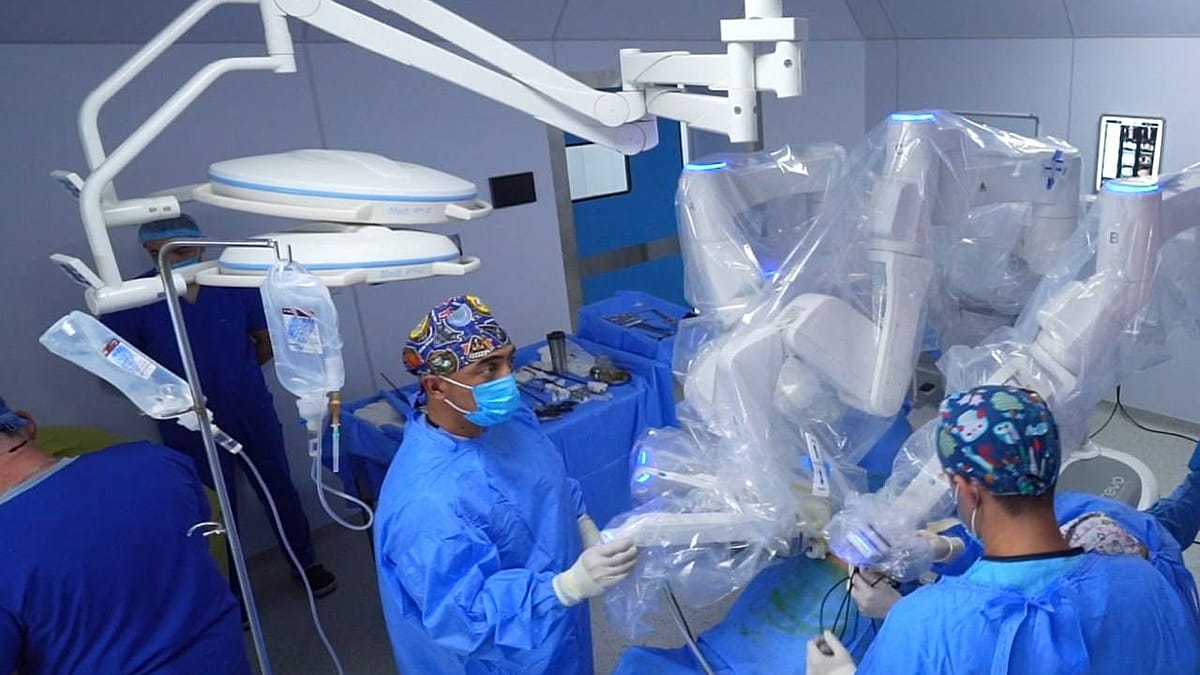
The advancement extends into neurosurgery and critical neonatal care. At the Republican Specialised Scientific and Practical Centre for Neurosurgery, robot-assisted and navigation-guided systems are now used for procedures on deep-seated brain tumours and pharmacoresistant epilepsy. In one case, these technologies helped surgeons identify and remove an epileptogenic focus in a six-month-old infant, ending seizures that were unresponsive to medication.
In a separate, highly complex operation at the Tashkent regional branch of the Republican Specialised Mother and Child Health Centre in Chirchik, local specialists successfully separated conjoined twins born prematurely at 33–34 weeks. The emergency surgery, conducted just nine hours after birth, was complicated by the infants' shared intestine and urinary bladder. Professor Bakhtiyor Ergashev, Head of the Neonatal Surgery Centre at the Republican Perinatal Centre, noted the procedure's challenge, citing the premature condition and the precision required after the rupture of connective tissue.
This growing domestic expertise mirrors capacity-building efforts seen in other regions, such as Kazakhstan's significant expansion of its protected natural areas. However, the medical shift in Uzbekistan raises important questions about long-term sustainability. As the Ministry of Health notes, the expanded use of advanced procedures has reduced overseas referrals but simultaneously shifted pressure onto domestic systems regarding specialist training, equipment funding, and meeting growing demand.
The policy also intersects with broader European concerns about chemical safety in medical and industrial sectors, as seen in developments like the ECHA's expanding PFAS ban proposal. For Uzbekistan, the success of its pediatric surgery initiative will depend on maintaining international standards of care and ensuring stable funding, as it seeks to keep complex treatment within its own borders.