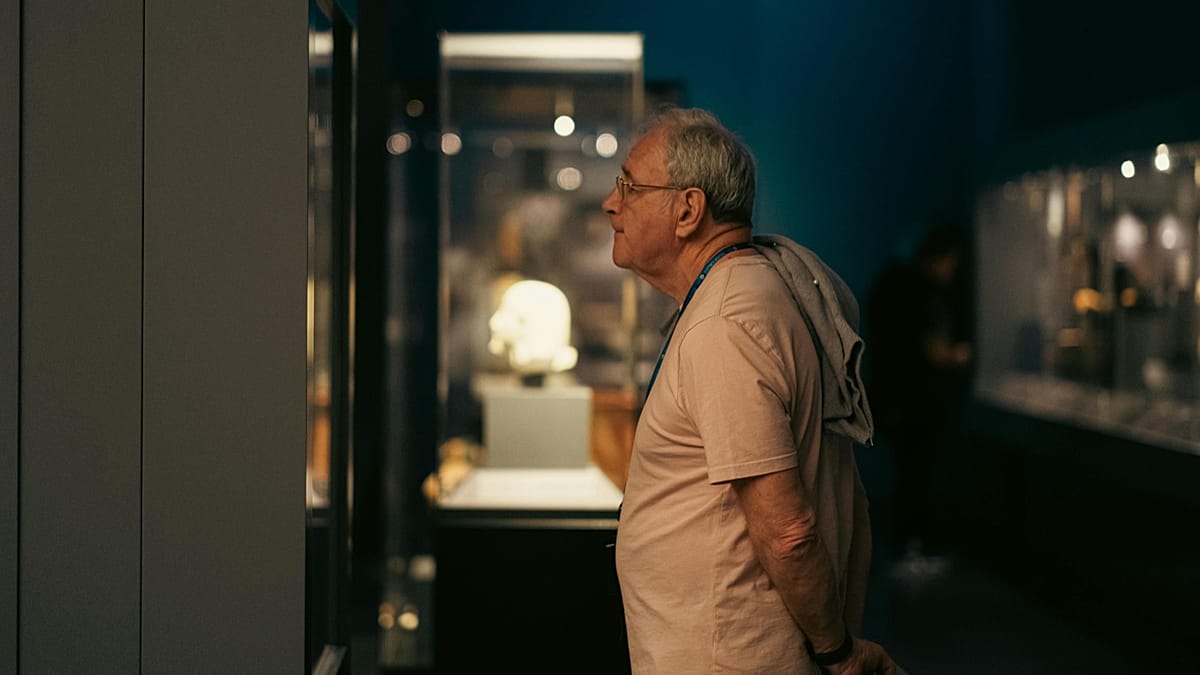
A study published in the journal Innovation in Aging by researchers at University College London (UCL) suggests that regular participation in arts and cultural activities may slow the pace of biological aging. The findings, based on survey responses and blood test data from 3,556 adults in the United Kingdom, indicate that those who engaged in activities such as visiting galleries, attending concerts, or taking creative classes showed measurable differences in their DNA compared to less frequent participants.
How the Study Measured Aging
The research team used seven different “epigenetic clocks” — tools that analyze chemical patterns on DNA to estimate biological age. Two of the most recent clocks, DunedinPoAm and DunedinPACE, assess the pace of aging, with faster scores linked to higher risks of age-related diseases. The study found that both arts engagement and physical activity were associated with slower aging on these measures.
For the DunedinPACE clock, taking part in an arts activity at least three times a year was linked to 2% slower aging, monthly engagement to 3%, and weekly activity to 4% slower aging compared to those who participated less than three times a year. The difference was comparable to that previously observed between current smokers and ex-smokers. In another test, PhenoAge, weekly arts participants were biologically about one year younger on average than those who rarely engaged.
Comparable to Exercise
Remarkably, the effect of weekly arts engagement was similar to the difference seen between people who exercise weekly and those who do not. Senior author Feifei Bu stated: “Our study provides the first evidence that arts and cultural engagement is linked to a slower pace of biological ageing. This builds on a growing body of evidence about the health impact of the arts, with arts activities being shown to reduce stress, lower inflammation and improve cardiovascular disease risk, just as exercise is known to do.”
Lead author Daisy Fancourt added: “These results demonstrate the health impact of the arts at a biological level. They provide evidence for arts and cultural engagement to be recognised as a health-promoting behaviour in a similar way to exercise.” Fancourt also noted that engaging in a variety of arts activities may be beneficial because each offers different “ingredients” such as physical, cognitive, emotional, or social stimulation.
Implications for Healthy Aging
The results were strongest among adults aged 40 and over and remained significant even after accounting for factors like BMI, smoking, education, and income. While the study does not suggest replacing exercise with arts, it argues that cultural activities deserve a place alongside physical activity in strategies for healthy aging. For those looking to explore options, a weekly cultural digest can offer inspiration — check out From Birds of Paradise to Obsession: Your Mid-May Cultural Guide Across Europe for ideas across the continent.
The findings also align with broader research on lifestyle and aging. For instance, a separate study on 8,500 daily steps to prevent weight regain underscores the importance of regular activity. Meanwhile, the UCL team’s work adds to evidence that cultural engagement can be a powerful tool for public health, potentially reducing the burden of age-related diseases across Europe.
In practical terms, the message is clear: booking a concert ticket, joining a life drawing class, or visiting an exhibition may offer benefits that extend beyond enjoyment. As the researchers put it, your DNA might thank you for it.