Authorities in Tierra del Fuego have forcefully rejected suggestions that a landfill on the outskirts of Ushuaia was the origin of the hantavirus outbreak that has killed two Dutch tourists and infected others aboard the MV Hondius cruise ship. Juan Facundo Petrina, the province’s director of epidemiology, described the claims as part of a “smear campaign” against the destination, which relies heavily on tourism.
Speaking at a press conference in Ushuaia on Friday, Petrina noted that the region has never recorded a case of hantavirus, unlike provinces further north in Argentina. The last confirmed case in Tierra del Fuego dates back to 1996. “I believe we are facing a smear campaign against this destination,” he told reporters, adding that local officials first learned of the suspicion through media reports rather than from national health authorities.
How the Outbreak Unfolded
The investigation centres on a Dutch couple in their late sixties who arrived in Argentina on 27 November 2025 and spent months travelling by car through Chile, Uruguay, and back into Argentina. On 1 April they embarked on the MV Hondius in Ushuaia. Shortly after departure, the 70-year-old man developed symptoms and died on 11 April. His wife died in South Africa while attempting to return to Europe.
National health officials believe the couple may have been exposed to the virus during a bird-watching trip near the landfill, which attracts both amateur ornithologists and rodents. The area’s abundance of birds makes it popular, but the same conditions create a favourable environment for the long-tailed pygmy rice rat (Oligoryzomys longicaudatus), the natural reservoir of the Andes strain of hantavirus.
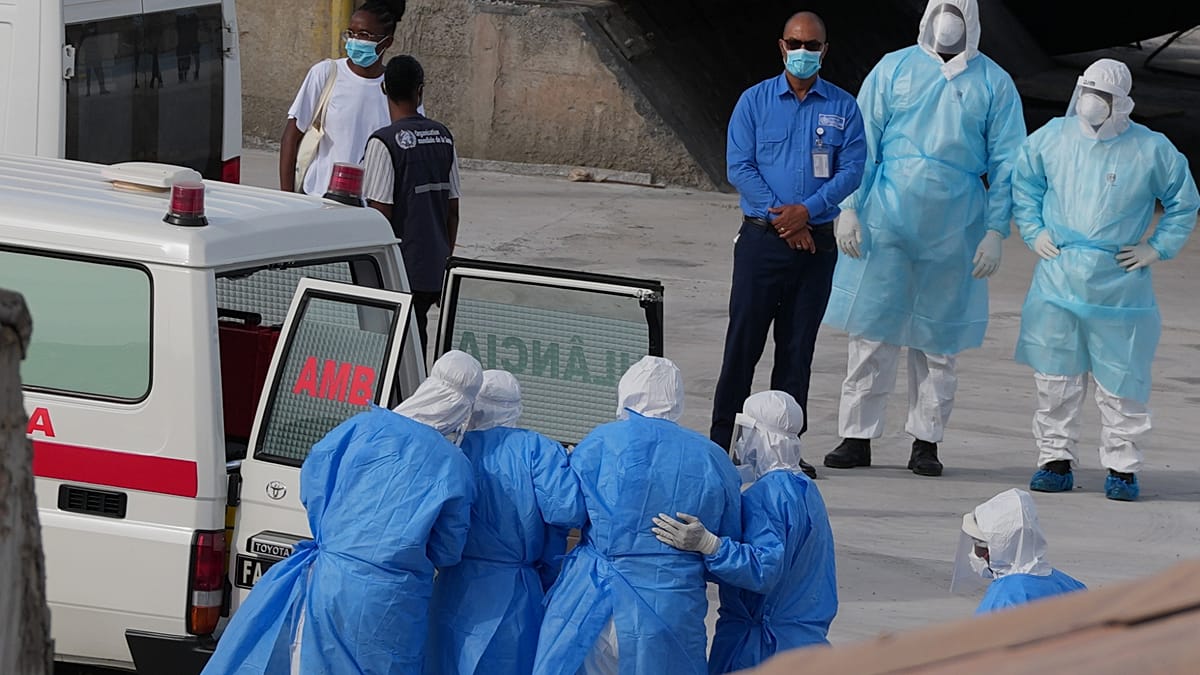
What makes this outbreak particularly concerning is that the Andes strain is the only hantavirus variant known to be capable of human-to-human transmission. This explains why the infection spread beyond the initial pair once they were aboard the cruise ship. The MV Hondius eventually docked in the Canary Islands, where passengers were quarantined and repatriated across Europe. For more on the ship’s journey, see our coverage of how a storm forced the ship to dock in the Canary Islands.
Rising Mortality Rates and International Cooperation
Argentina’s hantavirus mortality rate has jumped from 17% between 2019 and 2024 to over 33% in the last year, alarming both national and international health organisations. To confirm or refute the landfill hypothesis, technical teams will travel to the area to capture rodents and test for traces of the virus.
Argentina has activated international cooperation channels, sending genetic material of the strain to laboratories in Spain, South Africa, the Netherlands, and the United Kingdom to improve detection and diagnosis protocols. This comes at a time when Argentina is no longer a member of the World Health Organisation, having exited in mid-March alongside the United States. WHO Director-General Tedros Adhanom Ghebreyesus used a press conference on hantavirus to urge both countries to reconsider, but the Argentine government responded that it does not need WHO membership to collaborate on health issues. It maintains technical links with the Pan American Health Organisation at the regional level.
The outbreak has also triggered a broader response across Europe. In the Netherlands, twelve hospital workers were quarantined after a protocol breach involving a hantavirus patient, as reported in our earlier article. Meanwhile, survivors of the virus face prolonged recovery, with many reporting lingering symptoms months after infection—a condition now referred to as “long-hantavirus,” detailed in this report.
The Rodent Behind the Virus
The long-tailed pygmy rice rat is a small, light brown, wild rodent native to Chile and southern Argentina. Weighing less than 30 grams, it has small ears, large eyes, and a tail that can be twice the length of its body. Nocturnal and leaping, it prefers bushy or shrubby terrain near water sources. It is a protected native species that disperses seeds and forms part of the local food chain. Infected rats do not develop the disease, though some studies suggest the virus shortens their life expectancy, estimated at one year.
Transmission to humans occurs through contact with rodent droppings, saliva, or urine. The Andes strain’s ability to spread person-to-person complicates containment, as seen on the MV Hondius. For a full timeline of the outbreak, see our comprehensive guide.