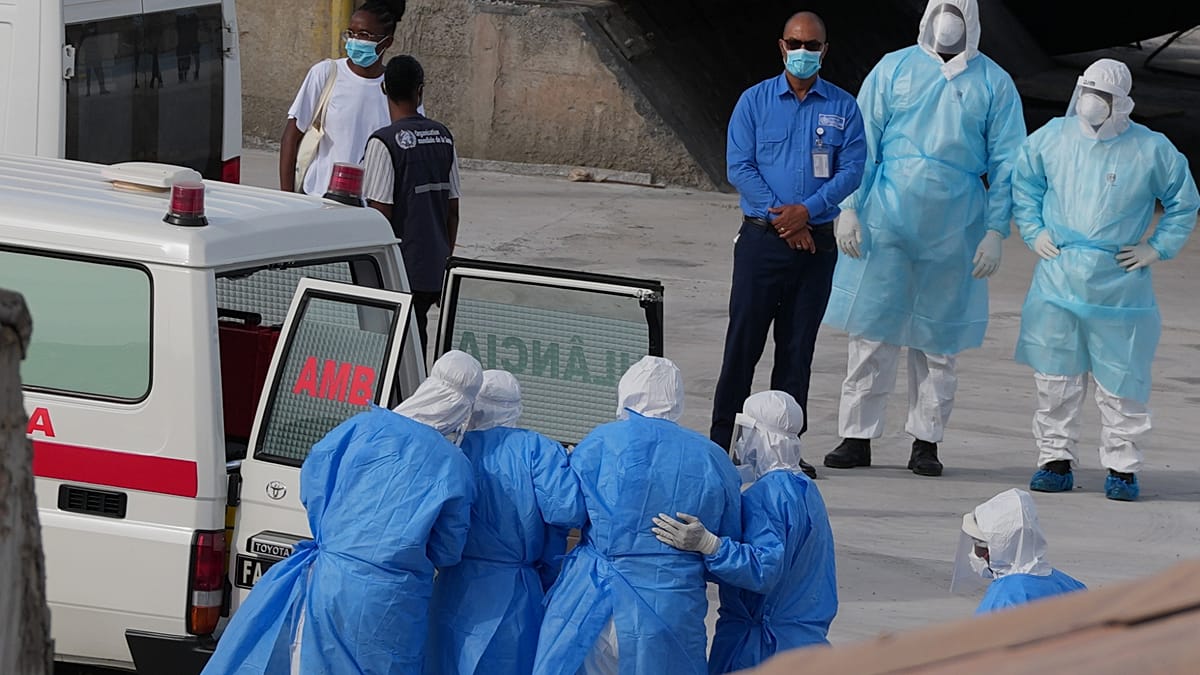
The World Health Organization has confirmed nine cases of hantavirus linked to the MV Hondius cruise ship, with warnings that further infections may emerge due to the virus's incubation period of up to six weeks. Health authorities across Europe are monitoring the situation, though they stress that the risk to the general population remains very low.
What Is Hantavirus?
Hantaviruses are a family of viruses that naturally infect rodents. First identified in 1976 near the Hantan River in South Korea, they have since been found worldwide. Only a few variants are known to infect humans, causing two main syndromes: hantavirus cardiopulmonary syndrome (HCPS), which affects the lungs and heart, and haemorrhagic fever with renal syndrome (HFRS), which targets the kidneys. In Europe and Asia, HFRS is the more common outcome, while American strains tend to trigger HCPS.
The Andes Strain and Human Transmission
The Andes virus, a variant found in South America, is unique among hantaviruses because it can spread from person to person through close, prolonged contact. This is not typical for European or Asian strains, which are only transmitted via rodents. The current outbreak involves the Andes virus, but genetic sequencing by the European Centre for Disease Prevention and Control (ECDC) shows it is not a new variant and does not appear to be more transmissible or severe than other Andes viruses.
How Is It Transmitted?
Humans contract hantavirus by inhaling dust contaminated with rodent urine, droppings, or saliva. Activities like cleaning enclosed spaces, farming, or sleeping in rodent-infested areas raise the risk. Human-to-human transmission is rare and has only been documented among household members or intimate partners, typically during the early phase of illness when the virus is most transmissible.
The ECDC advises that symptomatic passengers and crew require immediate medical isolation and testing, while asymptomatic individuals should quarantine and monitor for symptoms for up to six weeks. This protocol was followed during the return of passengers to their home countries across Europe.
Risk to the General Public
Both the WHO and the ECDC assess the risk of hantavirus transmission to the general population as very low. The outbreak remains confined to the cruise ship and its close contacts. In a separate incident, twelve Dutch hospital workers were quarantined after a protocol breach, highlighting the strict measures in place.
Symptoms and Severity
Symptoms typically appear one to eight weeks after exposure and include fever, headache, muscle aches, and gastrointestinal issues like abdominal pain, nausea, or vomiting. There is no specific treatment; care focuses on managing symptoms. The case fatality rate varies: less than 1–15% in Europe and Asia, but up to 50% in the Americas. Survivors may face lingering effects, as documented in long-hantavirus cases.
Hantavirus in Europe
Infections are uncommon in Europe. In 2023, the ECDC recorded 1,885 cases, down from 2,185 in 2022. Globally, the WHO estimates 10,000 to over 100,000 infections annually, with the highest burden in Asia and Europe. Notable past outbreaks include the 2018–2019 event in Epuyén, Argentina, where 34 infections and 11 deaths occurred after three symptomatic people attended crowded social events.
The MV Hondius outbreak has prompted coordinated responses from multiple European nations, including Spain and the WHO hailing the evacuation as a model of solidarity. As the incubation period ends, authorities remain vigilant for new cases.