The White House has made clear that the Trump administration will not interfere with the extradition of influencer Andrew Tate and his brother Tristan to the United Kingdom, where they face charges of rape and sexual assault. Press Secretary Karoline Leavitt gave a blunt "No" when asked during a Thursday briefing whether the president or his administration intended to halt the legal process.
Secretary of State Marco Rubio also stated that the administration would not involve itself in the case, which has drawn international attention due to the brothers' high-profile online presence and their public support for Trump.
Detention and Court Proceedings
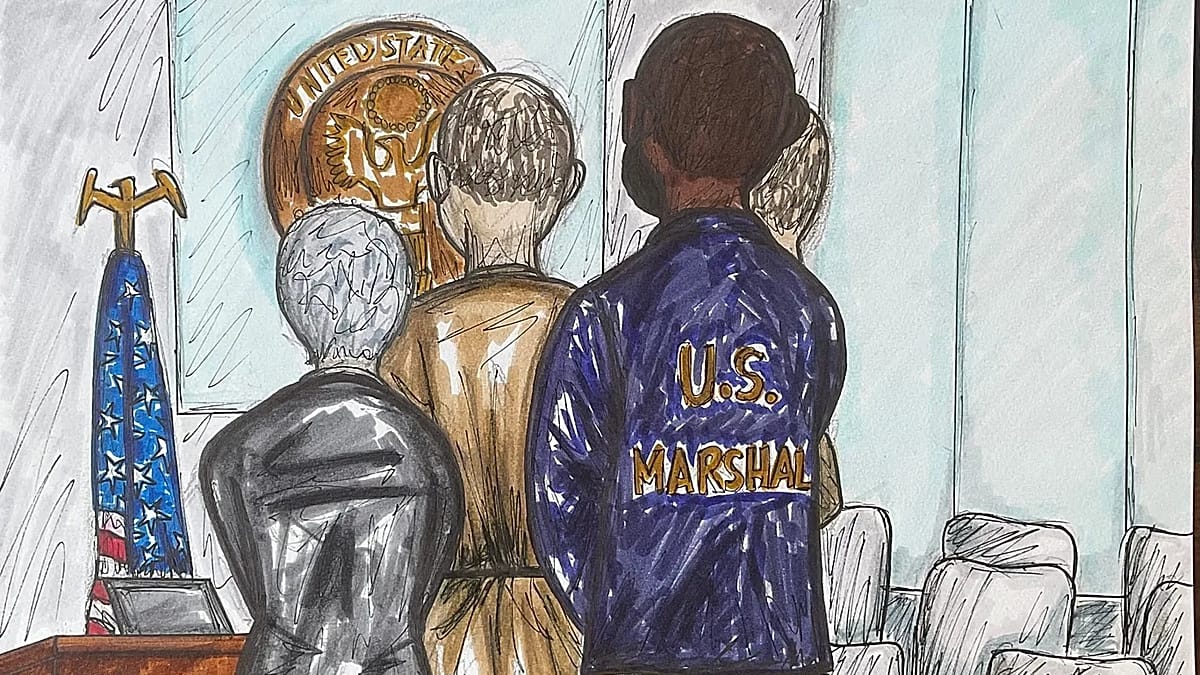
Andrew and Tristan Tate were arrested by US authorities in Miami on Saturday. Their lawyer has described the detention as "politically motivated." The brothers appeared before a federal court on Monday, wearing jail uniforms and handcuffs, and are now challenging their extradition to the UK.
Court documents unsealed on Monday outline allegations from three women. One woman accuses Tristan Tate of rape and assault during a long-term relationship that began in 2012, including alleged assaults while she was unconscious. Two other women accuse Andrew Tate of rape and assault in incidents dating from 2014 and 2015, after meeting him through a webcam business and a dating app.
The case has significant implications for European legal cooperation, as the UK seeks to bring the brothers to face justice under British law. The extradition process involves complex legal frameworks between the US and the UK, a key partner in European security and judicial matters.
Andrew Tate, a self-professed misogynist, and his brother are prominent figures in the online "manosphere," a network of influencers promoting hyper-masculine content. This movement played a role in mobilizing some young male voters during the 2024 US presidential election, and the brothers have sought to build ties with Trump's sons, Donald Trump Jr. and Barron Trump, according to US media.
The case has sparked debate across Europe about the influence of such figures on young audiences. In response, some EU member states are tightening regulations on social media platforms. For instance, France has become the first EU country to ban social media for under-15s, a move aimed at curbing exposure to harmful content.
The Tate brothers' extradition battle is likely to be protracted, with legal experts noting that such cases often take months or even years to resolve. The UK authorities have expressed confidence in their case, while the brothers' legal team continues to argue against their transfer.
As the story develops, European Pulse will continue to monitor the legal proceedings and their broader implications for transatlantic justice and online extremism.