As the United States intensifies its campaign for travel restrictions on visitors from Ebola-affected countries ahead of the 2026 World Cup, the World Health Organization’s European director has urged fans not to alter their plans. Hans Kluge, who leads WHO’s regional office for Europe, stated that the risk of the virus spreading during the tournament remains low.
“There is no reason to change your plans. Travel as normal, stay informed and enjoy the tournament,” Kluge said in a statement directed at supporters. His comments come as Washington pushes other nations to follow its lead and impose entry bans on travellers from the Democratic Republic of Congo, Uganda, and South Sudan.
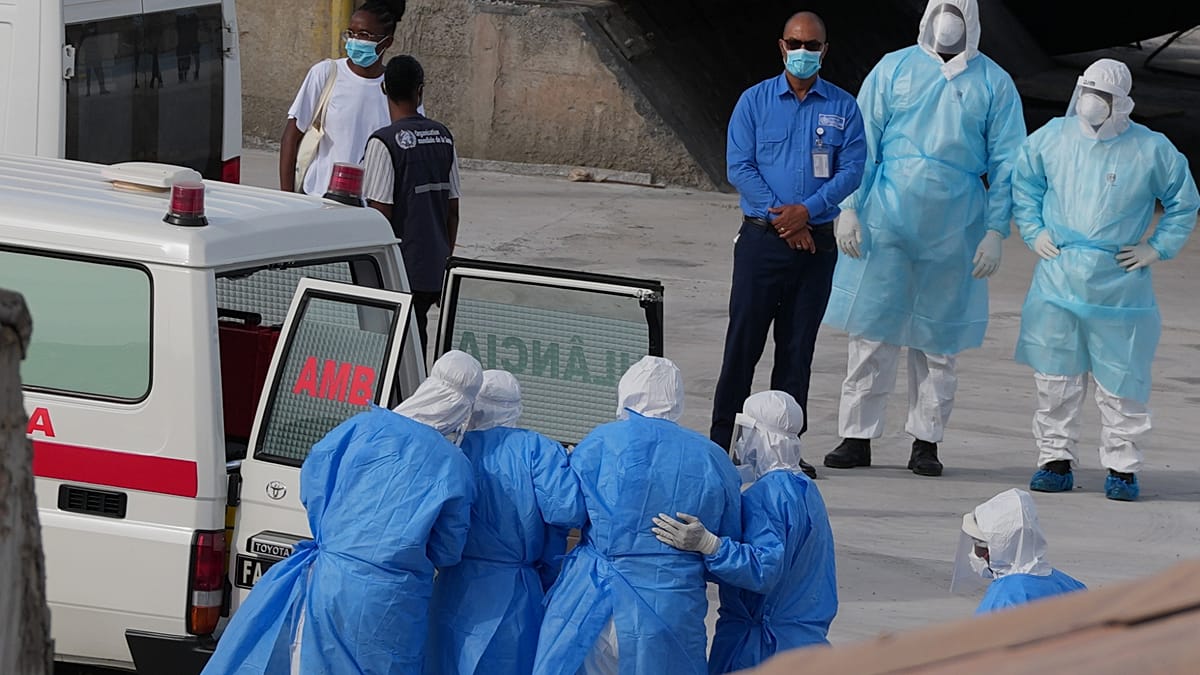
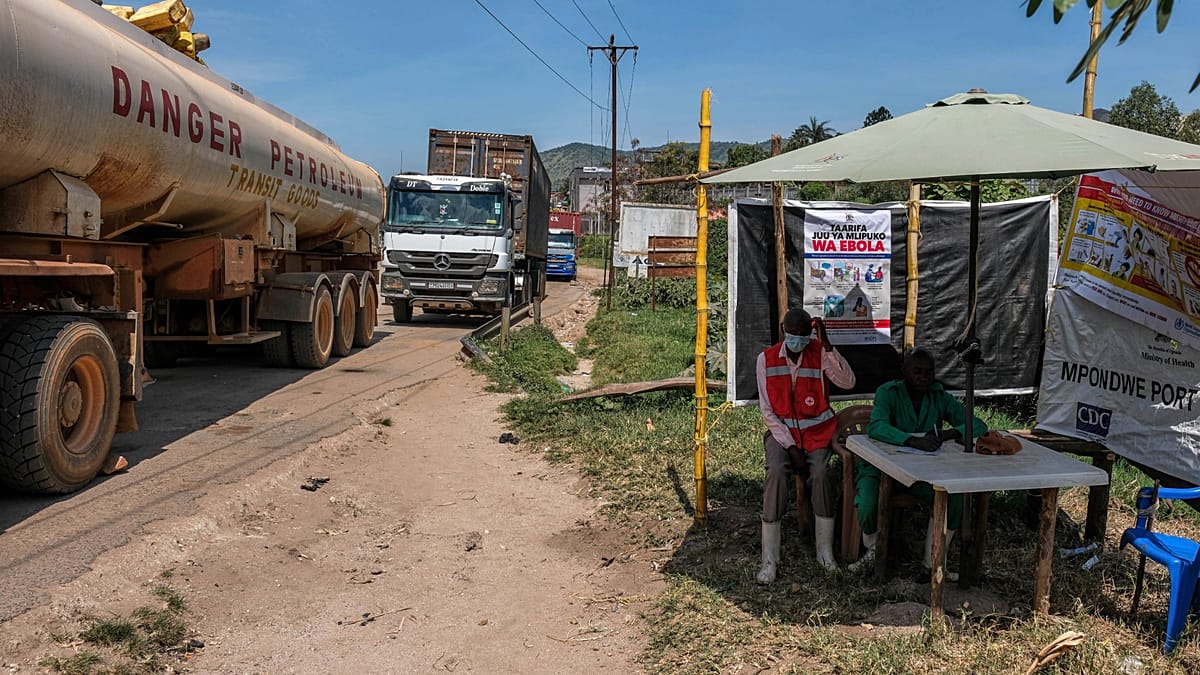
As of 11 June, the outbreak has resulted in 635 cases and 127 deaths in the DRC, along with 19 cases and two deaths in Uganda. No cases have been reported in any of the World Cup host countries—Canada, Mexico, and the United States—or in Europe. The vast majority of infections are concentrated in remote areas of the DRC, and screening measures are already in place for travellers departing affected zones.
US pressure on European allies
The Trump administration has imposed entry restrictions on travellers from the three affected nations, with a State Department official telling Euronews Health: “The Trump Administration is protecting our nation and its citizens by upholding the highest standards of national security and public health.” Washington expects similar measures from other countries as it prepares for millions of spectators to cross its borders for the World Cup.
The US ambassador to Belgium, Bill White, has specifically called on Brussels to implement entry bans for travellers from the affected areas. However, Belgium plans to maintain its current approach. A spokesperson for Health Minister Frank Vandenbroucke told Euronews Health: “We remain vigilant and prepared.” The country is following the recommendations of the WHO and the European Centre for Disease Prevention and Control (ECDC), and has protocols in place should any traveller develop symptoms upon arrival.
The US has also reached out to other nations, though the State Department has not disclosed which ones. Washington has warned that countries failing to adopt such measures could face consequences for their travellers entering the United States.
The European Commission has been coordinating its response with Belgium and all other EU member states, as well as international partners, “from day one,” a Commission spokesperson said. “There is no evidence that additional measures are needed upon entry,” the spokesperson added. European Commission President Ursula von der Leyen discussed the Ebola response with US Secretary of State Marco Rubio on 9 June, though the Commission did not disclose further details about their conversation.
Kluge’s reassurance aligns with the broader European stance that existing public health measures are sufficient. The WHO and ECDC have not recommended travel restrictions, emphasising that Ebola spreads only through direct contact with bodily fluids and that the risk of transmission at a mass gathering like the World Cup is minimal. For European fans planning to attend matches in North America, the message is clear: enjoy the tournament, but stay informed.