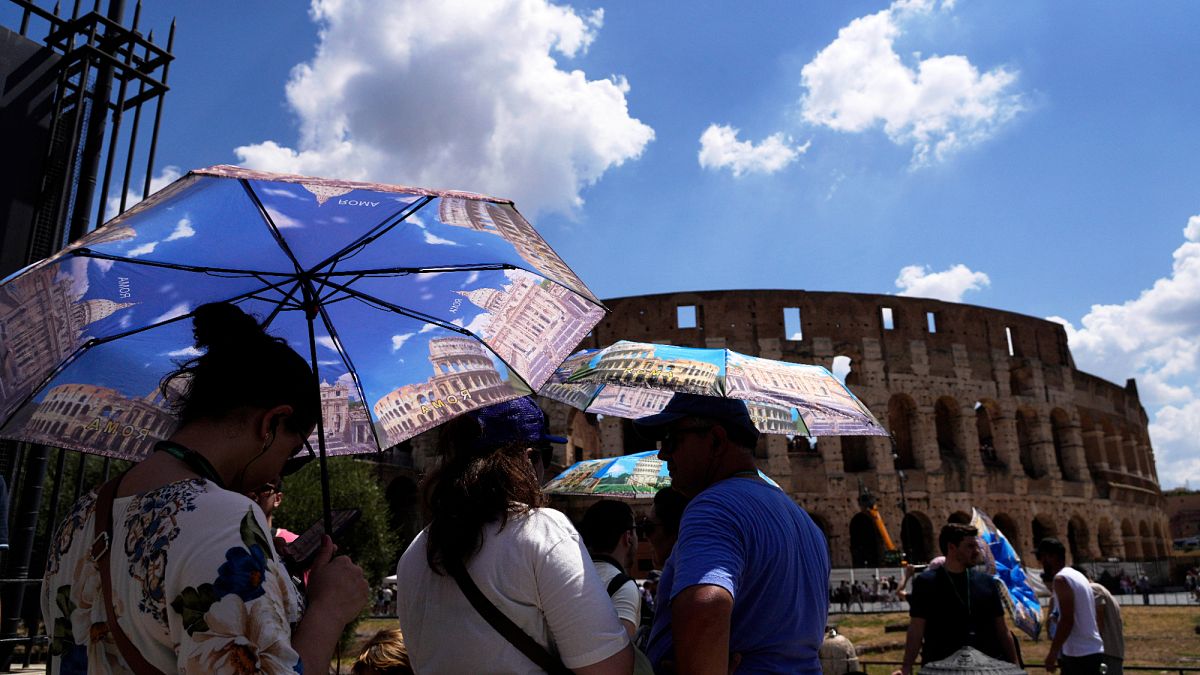
Extreme heat has killed more than 200,000 people in Europe over the past four years, and the vast majority of those deaths were preventable, the World Health Organization’s Europe director Hans Kluge said on Thursday. Presenting the WHO’s updated Heat–Health Action Plans Guidance in Germany, Kluge warned that heatwaves are no longer rare weather events but a recurring crisis that strains health systems and infrastructure across the continent.
“The impacts of climate change are a clear and present danger, and its most immediate and lethal manifestation is extreme heat,” Kluge said. He added that individual measures—such as staying out of the sun and keeping homes cool—are important but insufficient to address what he called a systemic crisis.
Uneven burden across Europe
The WHO data show that the highest numbers of premature heat-related deaths occurred in Italy, followed by Spain, Germany, and Greece. Greece recorded the highest rate per million inhabitants. Rising global temperatures, rapid urbanisation, and an ageing population are converging to increase both exposure and vulnerability, the organisation noted.
Carsten Schneider, Germany’s Federal Environment Minister, stressed the social dimension of heat risk. “Those who do not have a garden or a swimming pool and live in overheated flats in concrete-covered urban districts can hardly protect themselves against the heat,” he said. The comment underscores how heat disproportionately affects lower-income communities and the elderly.
The WHO’s new guidance, the second edition of its heat–health action plans, offers governments and local authorities a framework for coordinated responses. Recommendations include greening cities to provide more shade, establishing networks of cooling centres, ensuring social services check on older people, and training teachers and child carers to recognise signs of heat-related illness.
“Put simply, heat–health action plans save lives,” Kluge said. “They enable cities and countries to anticipate, prepare for and respond to extreme heat in a coordinated way.”
The call for action comes as Europe continues to grapple with the broader implications of climate change. The continent is warming faster than the global average, and heatwaves are becoming more frequent and intense. The WHO’s message is clear: without systemic policy changes, the death toll will only rise.
In related developments, European defence spending is under scrutiny as the EU’s defence chief recently estimated that replacing US military assets would cost Europeans €500bn. Meanwhile, political tensions persist, with Hungarian Prime Minister Viktor Orbán returning to Brussels for a far-right gathering after a domestic election setback. These stories highlight the interconnected challenges facing the continent.
The WHO’s guidance is a practical tool, but its effectiveness depends on political will and investment. As Kluge put it, “Heatwaves are no longer freak weather anomalies. They are now a recurring crisis inflicting suffering, claiming lives and fracturing our health systems and infrastructure.”