At the Voorlinden Museum in Wassenaar, the Netherlands, a new exhibition is turning the conventional museum experience on its head. Choreographer William Forsythe, known for his groundbreaking work with ballet and contemporary dance, has created a show where the cardinal rule—'do not touch'—is replaced with an invitation to move, interact, and even dance with the art.
Titled Choreographic Objects, the exhibition features large-scale installations, sculptures, and film works that demand physical engagement from visitors. Forsythe describes the project as 'an extension of choreographic practice,' blurring the line between observer and participant. 'This is a suite of activities and ideas that would form a coherent narrative of addition and subtraction,' he explains.
Redefining the Museum Experience
Traditional museums often enforce strict rules: no touching, no loud noises, no running. Forsythe’s approach subverts these norms, encouraging visitors to use their bodies to explore the space. The choreographer notes that the public is 'very unpredictable' and that people's 'personalities emerge' during their visit. This unpredictability is part of the art itself, as each interaction creates a unique performance.
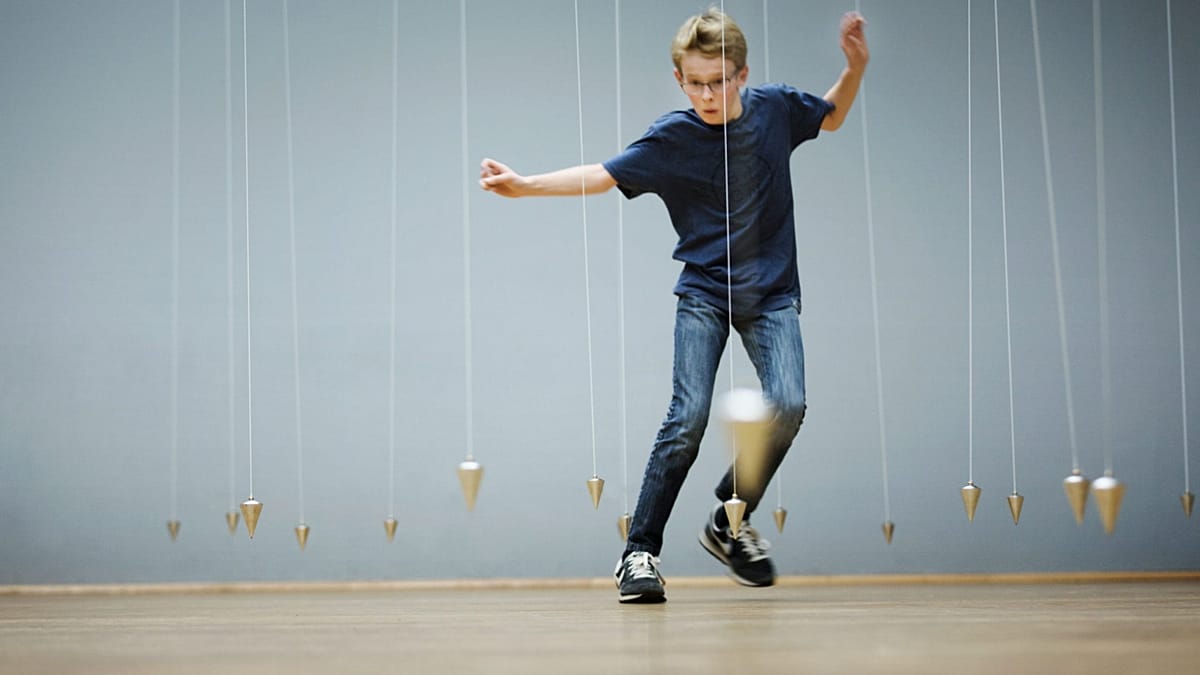
The exhibition includes pieces like suspended pendulums that visitors can set in motion, and a room filled with hanging ropes that invite climbing or swinging. Forsythe’s work has long explored the relationship between movement and space, and this show takes that exploration into a museum setting.
For those interested in how movement and culture intersect beyond the museum, recent events like Macron joining Kenyan dancers highlight the diplomatic power of dance. Meanwhile, Hungary’s health minister pick dancing at an inauguration shows how movement can also play a role in political ceremonies.
A Global Choreographer in the Netherlands
Forsythe, an American-born artist who has spent much of his career in Europe, is no stranger to pushing boundaries. He served as director of the Frankfurt Ballet and later the Forsythe Company in Dresden, and his influence on contemporary dance is profound. This exhibition at Voorlinden, a museum known for its focus on modern and contemporary art, is a natural fit for his experimental approach.
The Netherlands has a rich tradition of embracing innovative art forms, from the works of Rembrandt to the cutting-edge designs of Dutch architects. Forsythe’s show adds to that legacy by inviting the public to become co-creators of the art. 'It’s not about passive observation,' he says. 'It’s about active participation.'
Visitors to the exhibition are encouraged to wear comfortable clothing and be prepared to move. The museum has even adjusted its security protocols to accommodate the interactive nature of the pieces. This shift reflects a broader trend in European museums toward more immersive and participatory experiences, as seen in events like the Venice Biennale 2026, which also challenged traditional artistic boundaries.
Choreography Beyond the Stage
Forsythe’s concept of 'choreographic objects' extends the idea of choreography beyond the stage and into everyday life. He argues that movement is a fundamental human experience, and that art should reflect that. 'Choreography is not just about dance,' he says. 'It’s about organizing bodies in space, and that can happen anywhere.'
The exhibition has drawn attention from across Europe, with art critics and dance enthusiasts alike praising its boldness. It also raises questions about the future of museums: Should they be places of quiet contemplation, or active engagement? Forsythe’s answer is clear.
For those who cannot make it to Wassenaar, the exhibition serves as a reminder of the power of physical interaction with art. In an age where digital experiences often dominate, Forsythe’s work champions the tactile and the kinetic. It’s a call to put down the smartphone and move.