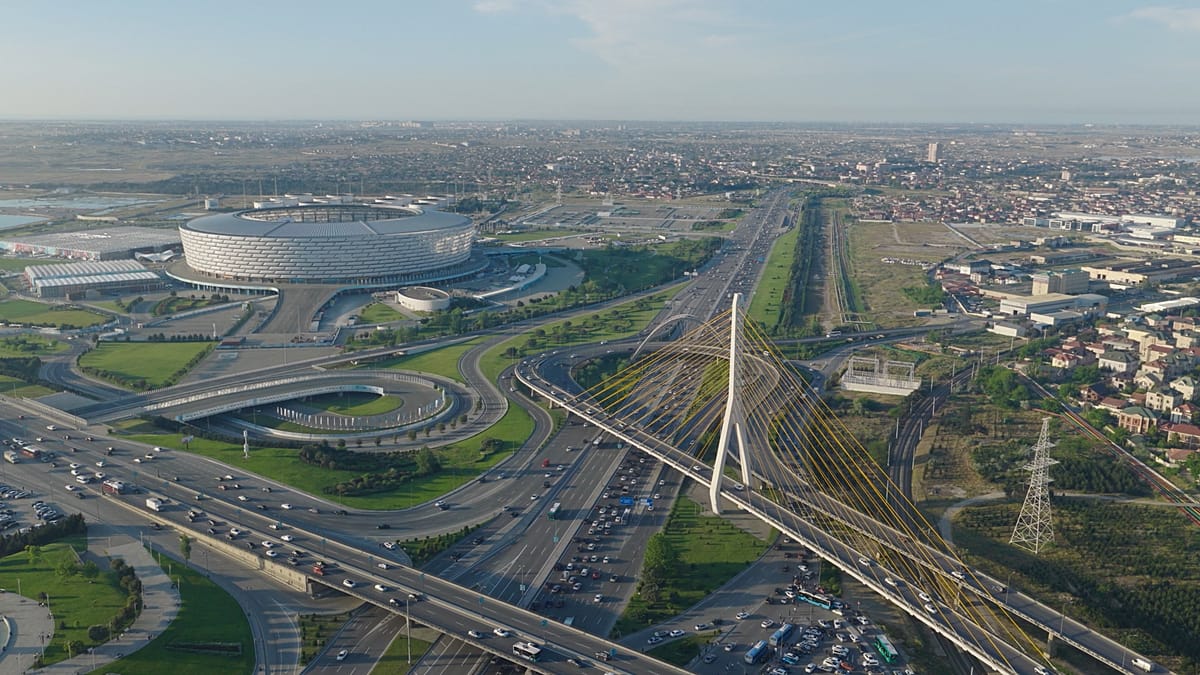
The 13th Session of the World Urban Forum, held in Baku, Azerbaijan, convened political leaders, urban planners, and development experts from across Europe and beyond to confront the mounting pressures on cities. With urban populations expanding rapidly, the forum zeroed in on housing affordability, climate resilience, and sustainable development—issues that resonate deeply in European metropolises from Berlin to Barcelona.
Delegates exchanged concrete strategies for creating inclusive communities and improving quality of life, emphasizing that investment, innovation, and cross-border cooperation are essential. While the forum does not produce binding agreements, it has become a pivotal platform for shaping urban policy, particularly as European cities grapple with aging infrastructure and rising inequality.
Housing Affordability Takes Center Stage
Housing emerged as a dominant theme, with many European representatives highlighting the acute shortage of affordable homes. In cities like Paris, Madrid, and Warsaw, soaring rents and property prices are pushing residents to the periphery. The forum explored models such as public-private partnerships and rent control mechanisms, drawing on examples from Vienna’s social housing system and Amsterdam’s mixed-use developments. A recent survey found that 61% of Spaniards see home inheritance as unattainable, underscoring the depth of the crisis in Southern Europe.
Urban planners stressed the need for densification without sacrificing green spaces, a challenge familiar to cities like London and Stockholm. The forum also examined how digital tools can streamline planning permissions and reduce construction costs, though participants warned that technology alone cannot solve structural shortages.
Climate Resilience and Urban Heat
Climate adaptation was another critical focus, as European cities face more frequent heatwaves, flooding, and storms. The forum highlighted the phenomenon of urban heat islands, where concrete and asphalt trap heat, making cities several degrees warmer than surrounding areas. Solutions discussed included expanding green roofs, planting trees along streets, and creating cool corridors in cities like Milan and Copenhagen. A related study warns that climate change drives larger hailstones across Europe, adding another layer of risk for urban infrastructure.
Delegates from coastal cities such as Rotterdam and Venice shared their experiences with rising sea levels and storm surges, advocating for nature-based defenses like mangroves and dune restoration. The forum also touched on the need to retrofit existing buildings for energy efficiency, a priority in the EU’s Renovation Wave strategy.
Inclusive Growth and Social Equity
Beyond housing and climate, the forum addressed social equity, with discussions on how to prevent gentrification and displacement. Actor and activist Richard Gere brought attention to homelessness, urging cities to adopt a “housing first” approach. His intervention resonated with European delegates from cities like Dublin and Lisbon, where homelessness has spiked. The forum also considered the role of public transport in connecting underserved neighborhoods, citing examples from Zurich’s integrated transit system.
As urban populations continue to grow, the issues debated in Baku are expected to become more urgent. The forum’s emphasis on practical solutions and peer learning offers a roadmap for European cities striving to balance growth with livability. Without binding commitments, however, the onus remains on national and local governments to translate these ideas into action.