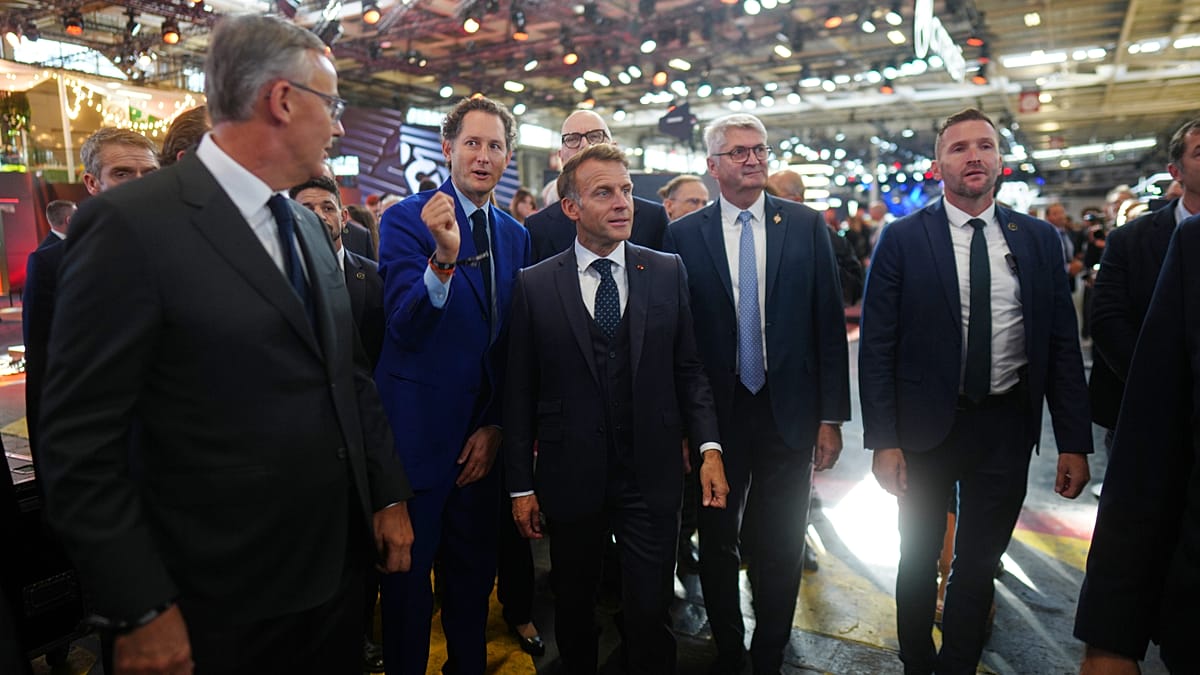
Former Spanish Prime Minister Mariano Rajoy has reignited a debate over national identity and football with a column in El Debate that questioned the origins of several players on the French national team. Writing after Spain's victory over Belgium, Rajoy praised Luis de la Fuente's squad but turned his attention to Les Bleus, describing them as a side of the highest level yet 'without French players'. He predicted they would be a 'formidable' opponent for Spain in the World Cup semi-final.
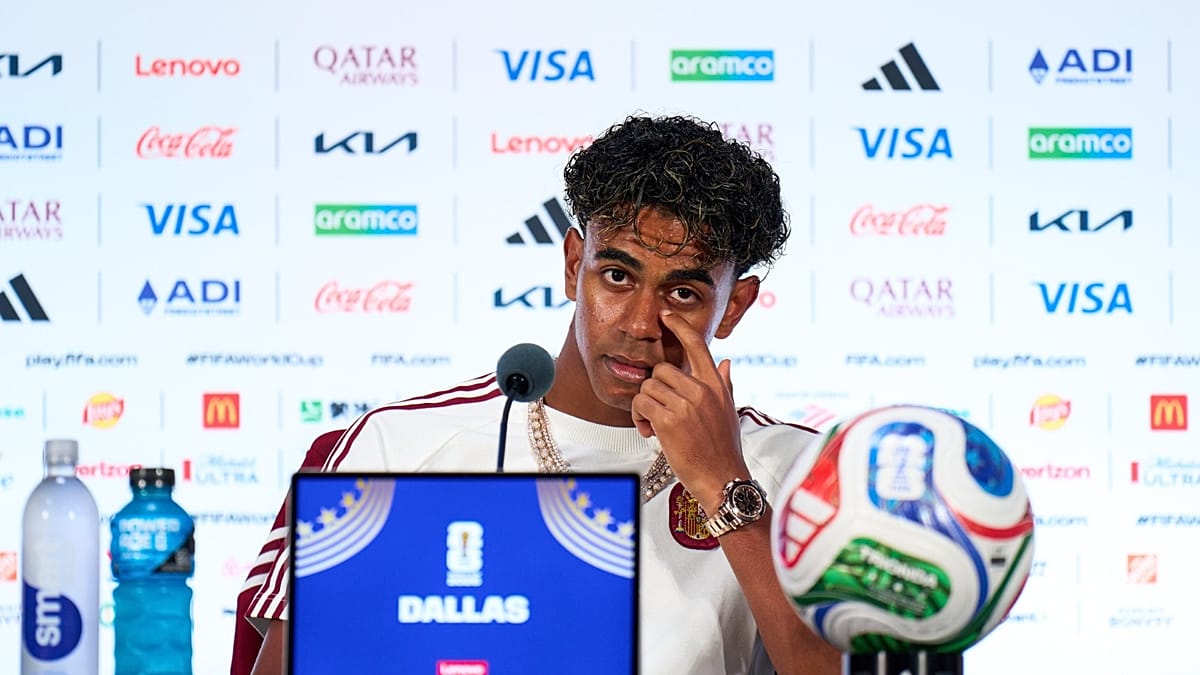
The remarks, which quickly drew criticism, were put to Lamine Yamal during a press conference on Tuesday ahead of the match between France and Spain. A local journalist reminded the 17-year-old Barcelona forward that he himself comes from a diverse background within the Spanish squad, making him familiar with such debates.
Yamal, who grew up in Rocafonda, a neighbourhood in Mataró near Barcelona, chose not to engage directly with Rajoy's comments. Instead, he emphasised the unifying power of football. 'I don't think there's room for that,' he said, referring to the controversy. 'Tomorrow's game will be one of the most beautiful you can play at a World Cup.' He went on to highlight how both Spain and France serve as examples of integration through sport, arguing that football should bring society together rather than divide it.
Football as a Mirror of European Diversity
The incident is the latest in a series of debates across Europe about national identity, immigration, and the role of multiculturalism in sport. France's national team has long been a symbol of the country's diverse population, with players of African, Caribbean, and other origins. Similar discussions have surfaced in other European nations, including Germany, the Netherlands, and Belgium.
Rajoy's column, published in the conservative daily El Debate, has drawn sharp reactions from politicians, journalists, and fans. Critics accuse the former prime minister of stoking xenophobic sentiment, while supporters argue he was merely making an observation about the team's composition. The controversy echoes earlier rows over the French squad's ethnic makeup, including comments by former French Football Federation president Noël Le Graët.
Yamal's response reflects a broader trend among younger athletes who prefer to focus on sport's capacity to bridge divides. His stance aligns with initiatives like the Qatar-Mexico Year of Culture: Football as a Bridge for Lasting Diplomatic Ties, which uses football to foster international understanding.
The timing of the controversy is particularly sensitive, coming just before a high-stakes semi-final that will determine which European powerhouse advances to the final. Spain and France have a long rivalry, and the match is expected to draw massive audiences across the continent.
Rajoy's comments have also reignited discussions about the role of former political leaders in public discourse. Since leaving office in 2018, the former PP leader has written regularly for El Debate, often weighing in on current affairs. His football columns have become a fixture, but this one has overshadowed his analysis of the game itself.
For now, Yamal's measured response has helped defuse some of the tension. The young forward, who has emerged as one of Spain's key players, demonstrated a maturity beyond his years by steering the conversation back to the sport. 'Football should unite society,' he said, a sentiment that resonates far beyond the pitch.
As the semi-final approaches, the focus is likely to shift back to the action on the field. But the underlying questions about identity, integration, and the role of sport in European societies remain unresolved. For a continent grappling with demographic change and political polarisation, football offers both a mirror and a possible path forward.