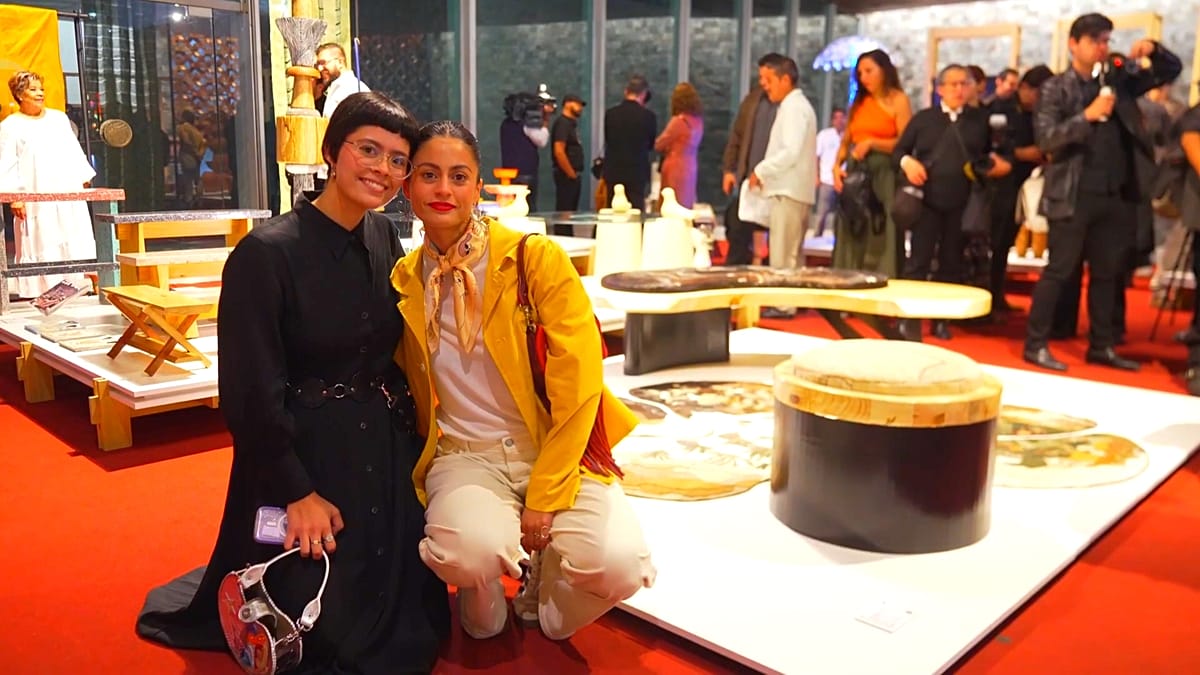
In Mexico City, the legacy of the 2026 FIFA World Cup is being written not just in stadiums but in galleries, cinemas, and kitchens. The Qatar-Mexico Year of Culture, part of the broader Qatar-Canada-Mexico Years of Culture initiative, is using sport as a springboard for deeper cultural exchange between the Gulf state and Latin America's second-largest economy.
At Museo Jumex, the exhibition Objects of Glory displays iconic football memorabilia, including Pelé's boots and Diego Maradona's 'Hand of God' jersey. Meanwhile, Journeys to Greatness reflects on the legacy of the 2022 Qatar World Cup, and the Cineteca Nacional is screening contemporary Arab cinema curated by the Doha Film Institute. These events are designed to spark conversations about identity, heritage, and connection—far beyond the pitch.
Cultural Diplomacy Beyond the Final Whistle
The initiative goes beyond exhibitions. Designers, chefs, and digital culture specialists from both countries are collaborating on projects that highlight shared experiences. For instance, Qatari and Mexican chefs are exploring culinary traditions, blending spices and techniques to create new fusion dishes. This mirrors broader trends in cultural diplomacy, where food and art serve as accessible entry points for international dialogue.
Such exchanges are particularly relevant for Europe, where cultural diplomacy often takes centre stage in EU foreign policy. The Qatar-Mexico model offers a template for how member states like Spain, France, or Germany might deepen ties with non-European partners through similar initiatives. As AI transforms humanitarian aid and other sectors, cultural programmes remain a distinctly human tool for building trust.
The timing is also notable. Qatar has invested heavily in soft power since winning the 2022 World Cup bid, and the Years of Culture programme—now in its second decade—has included partnerships with countries such as the United Kingdom, Germany, and India. For Mexico, the exchange offers a chance to showcase its cultural richness to a global audience, particularly as the country prepares to co-host the 2026 World Cup with the United States and Canada.
Interviews with curators, filmmakers, and cultural leaders reveal a shared ambition: to create lasting ties that outlast any single tournament. 'Football is the starting point, but the conversation goes much deeper,' one curator noted. 'We're talking about identity, migration, and what it means to belong in a globalised world.'
For European readers, the initiative underscores the importance of cultural exchange in an era of geopolitical uncertainty. As Sheikh Hamad bin Khalifa Al Thani, the architect of modern Qatar, demonstrated, long-term vision in diplomacy often begins with cultural bridges. The Qatar-Mexico Year of Culture is a reminder that the most enduring connections are built not on contracts, but on shared stories and experiences.