Volodymyr Zelenskyy has been invited to attend events in Budapest on 23 October marking the 70th anniversary of the Hungarian Revolution, according to Ihor Zhovkva, the Ukrainian president's deputy chief of staff. The visit has not been confirmed, but it would mark a notable turn in relations between Kyiv and Budapest after years of friction that repeatedly slowed Ukraine's path towards EU membership.
"We have received an invitation. On 23 October, an event will be held to mark the 70th anniversary of the Hungarian Revolution," Zhovkva told Euronews. "The President of Ukraine has received an invitation to attend. We shall see."
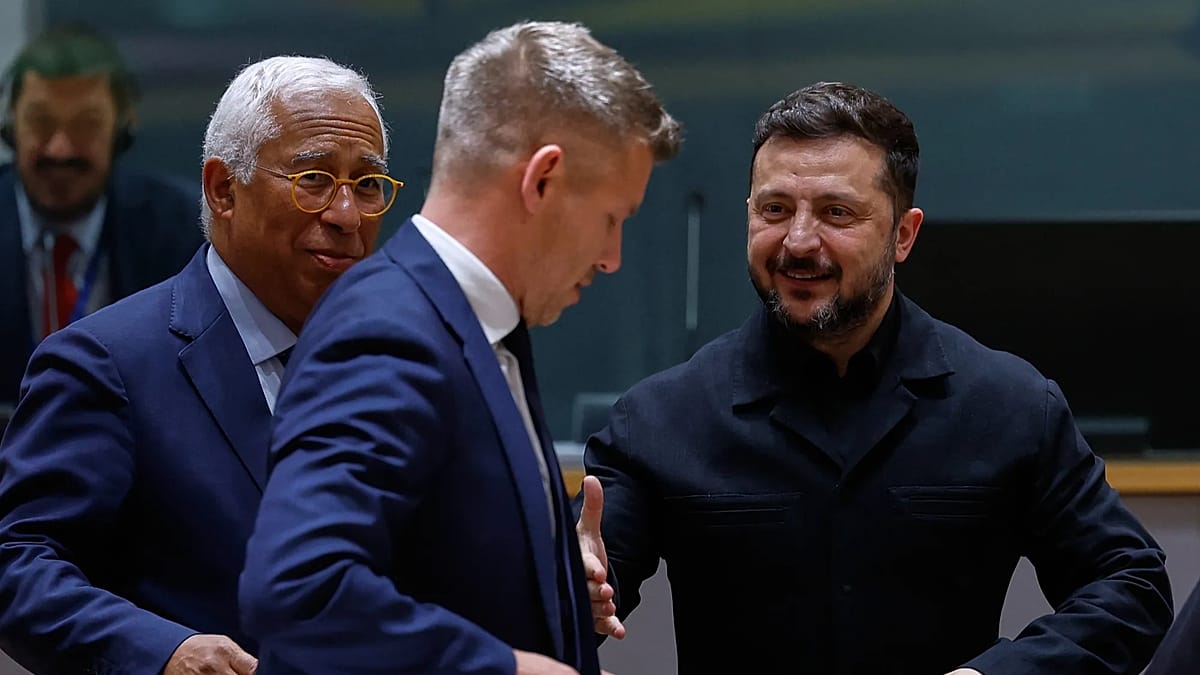
The invitation comes as Zelenskyy and Hungarian Prime Minister Péter Magyar prepare for their first formal bilateral meeting on Friday morning, on the margins of the EU summit in Brussels. The encounter follows months of quiet negotiation over timing and venue, and Kyiv views it as a chance to convert a recent diplomatic opening into tangible results between the two neighbours.
A breakthrough on minority education rights
The shift follows a significant development earlier this week, when Ukraine's parliament adopted legislation expanding educational rights for national minorities. Zelenskyy signed the bill into law on Monday. The measure addresses a long-running dispute with Budapest over the ethnic Hungarian community in Ukraine's western Transcarpathia region.
Under former Prime Minister Viktor Orbán, that disagreement became one of the principal obstacles to Ukraine's EU accession talks, with Budapest wielding its veto to stall progress. Magyar's government has taken a more constructive line, while still insisting that Kyiv meet its commitments on minority rights before further steps towards membership can proceed.
The day after Zelenskyy signed the law, the EU opened negotiations on two additional accession clusters after Hungary withdrew its objections, bringing the total to four out of six. "We have opened four clusters, with two still remaining, and we are confident that Hungary's position will continue to be as constructive as it has been so far," Zhovkva said.
He added that European integration would be a central topic in Brussels, but stressed that Kyiv wants to broaden the relationship beyond the politically sensitive question of EU membership. "It really is time to sit down and talk," he said.
Kyiv has also signalled openness to hosting Magyar in Ukraine, following earlier discussions about a meeting in Berehove, a town in Transcarpathia with a substantial ethnic Hungarian population. "He has always been a very welcome guest in Kyiv, and we would certainly welcome such a meeting in the Ukrainian capital," Zhovkva said, adding that other Ukrainian locations were also possible.
Speaking in Brussels on Thursday, Magyar described Ukraine's minority education legislation as a historic breakthrough and an opportunity to put bilateral relations on a new footing. He also raised the prospect of a follow-up meeting in Berehove later in the autumn. The Hungarian government has been contacted for comment on the planned Budapest visit.
Symbolism and wider European attendance
A visit to Budapest on 23 October would carry particular historical weight, falling 70 years after the outbreak of Hungary's 1956 uprising against Soviet rule, which was ultimately crushed by Soviet forces. Zelenskyy's presence at the commemorations could offer a symbolic opportunity for the two neighbours to demonstrate their commitment to rebuilding ties, and it may invite comparisons with Ukraine's defence against Russia's full-scale invasion.
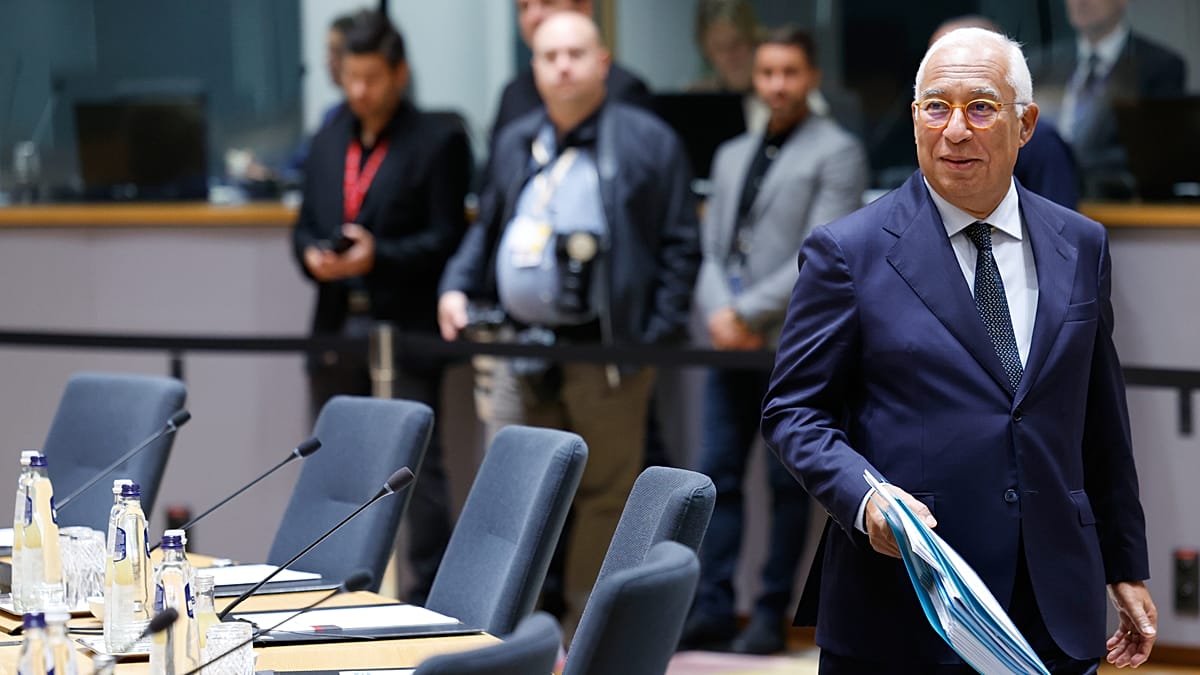
Other European leaders are expected to join the commemorations. French President Emmanuel Macron has confirmed his participation, according to Magyar, while European Council President António Costa is likely to attend, according to his spokesperson. European Commission President Ursula von der Leyen and European Parliament President Roberta Metsola have also been invited, though their attendance has not yet been confirmed.
The diplomatic opening is part of a broader recalibration in Budapest, where the new government has sought to repair relations with EU partners after years of friction. That shift has been closely watched in Brussels, where leaders have been grappling with energy pressures, budget disputes and continued support for Ukraine. For Kyiv, the priority is to keep accession talks moving while building a working relationship with a neighbour whose veto has long been a practical obstacle.
Whether the Budapest invitation translates into a confirmed presidential visit will depend on logistics and political signalling in the coming days. But the direction of travel is clear: after years of deadlock, both sides appear willing to test whether a reset can hold.