Ukrainian President Volodymyr Zelenskyy has launched a new regional cooperation framework, the "Carpathian Eight" (C8), bringing together eight countries to boost investment and economic integration across Central and Eastern Europe. The initiative was unveiled at a summit in Bukovel, western Ukraine, on Friday, with leaders from seven neighbouring states in attendance.
The C8 comprises Ukraine, Romania, Serbia, Poland, Slovakia, the Czech Republic, Austria, and Hungary, with the European Union also participating. The bloc aims to deepen cooperation on security, energy, logistics, cross-border economic ties, and support for local communities.
In his opening remarks, Zelenskyy stressed the region's potential beyond its traditional image. "In the past, people often looked at the Carpathians mainly as a region of tourism, climate issues and support for local communities," he said. "Today, the Carpathians can and should become one of the key engines of economic growth, investment and energy exports."
The Ukrainian leader identified transport and logistics, military mobility, critical minerals, and trade and investment as priority areas. He also highlighted the region's strategic role as a gateway for routes from the South Caucasus and Asia via the Black Sea, a point that resonates amid ongoing disruptions to traditional supply chains.
Investment lab and project pipeline
Summit organisers said that around 90 joint projects, requiring an estimated €9.4 billion in investment, were presented to potential backers during the event's "Investment Lab" session. These projects span infrastructure, energy efficiency, digital connectivity, and cross-border services, with a focus on tangible outcomes for the region's often rural and mountainous communities.
The initiative comes at a time when European countries are seeking to diversify energy sources and strengthen supply chains, particularly in light of the war in Ukraine and the broader geopolitical tensions. The C8's emphasis on energy exports and critical minerals aligns with the EU's strategic agenda, though the bloc's exact relationship with Brussels remains to be defined.
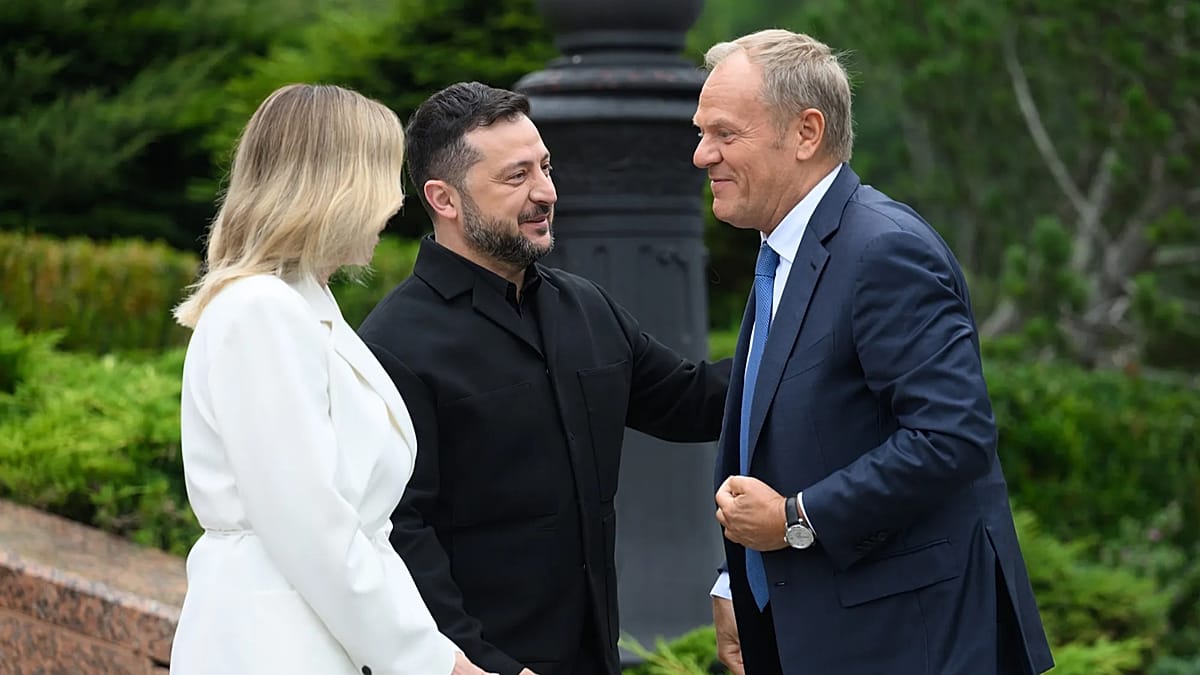
Polish Prime Minister Donald Tusk, Serbian President Aleksandar Vučić, and Romanian President Nicușor Dan were among the leaders present, underscoring the political weight behind the project. Their participation signals a willingness to cooperate despite differing stances on issues such as EU enlargement and relations with Russia.
The launch of the C8 also reflects a broader trend of sub-regional alliances within Europe, as countries seek flexible frameworks to address shared challenges. Whether this initiative can translate into sustained investment and concrete projects will depend on the ability of member states to align their priorities and overcome historical frictions.
For Ukraine, the alliance offers a diplomatic platform to reinforce its European integration and attract much-needed capital. For its partners, it provides an opportunity to engage with Ukraine's reconstruction and to tap into the region's economic potential.
As the Carpathian Eight moves from launch to implementation, observers will watch how it complements existing structures such as the Three Seas Initiative and the Visegrád Group. The bloc's success may hinge on its ability to deliver visible results, particularly in cross-border infrastructure and energy cooperation.
With the summit concluded, the focus now shifts to the Investment Lab's follow-up and the selection of priority projects. The €9.4 billion target is ambitious, but the political will demonstrated in Bukovel suggests that the Carpathians are no longer just a scenic backdrop—they are becoming a strategic frontier for European cooperation.