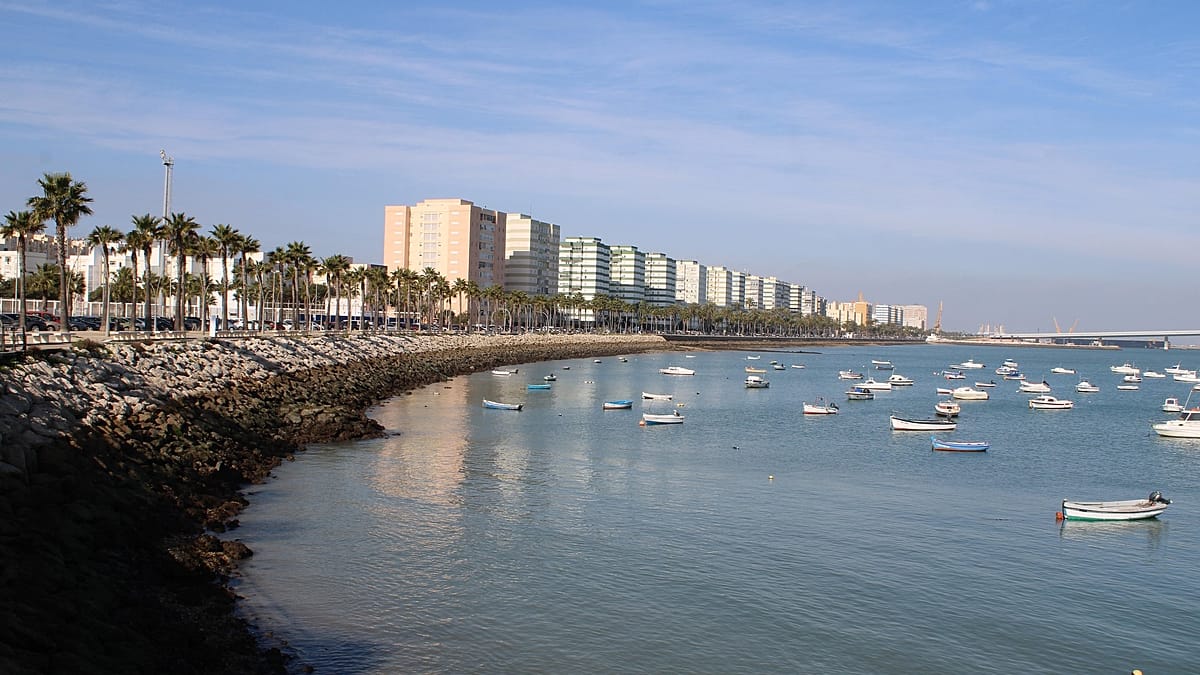
In the shallow waters of the Bay of Cadiz, just eight metres beneath the mud, a multidisciplinary team of eleven researchers has reconstructed the sinking of a 16th-century Italian vessel. The ship, the San Giorgio e Sant'Elmo Buonaventura, was one of between 30 and 35 ships destroyed by the English explorer and privateer Sir Francis Drake on 29 April 1587, acting on the express orders of Queen Elizabeth I.
The study, titled “Experimental sciences in underwater archaeology: Delta II wreck (San Giorgio and Sant'Elmo Buonaventura)” and published in Spanish, combined genomics, dendroarchaeology, palaeobiology, physicochemistry, archaeology, and archival techniques. The thick layer of mud created an anaerobic environment that preserved organic material in exceptional condition.
What the Wreck Reveals
Among the finds were skeletal remains of cows, pigs, goats, and chickens, as well as the skull of a woman aged 25 to 35 with an impact to the forehead. Sealed jars contained olives in brine with capers, bay leaves, rosemary, and oregano. DNA analysis from inside the jars identified pathogens associated with pneumonia and skin and respiratory infections caused by Staphylococcus, offering new insights into the diseases suffered by the crew.
One of the most striking discoveries was a series of wooden barrels containing a dense red substance, identified by the University of La Laguna as Dactylopius coccus costa, the insect from which cochineal is extracted. This dye, originating from the Mexican region of Oaxaca, was the third most sought-after product in the Americas during the Modern Age. The barrels, made from Baltic wood, were cut between 1586 and 1601, a date that aligns precisely with the sinking.
The research was conducted by experts from the Andalusian Historical Heritage Institute, the consultancy Tanit Gestión Arqueológica, the Spanish National Research Council (CSIC), DendroResearch Wageningen (Netherlands), the Aranzadi Science Society, the University of La Laguna, and the Doñana Biological Station.
This discovery not only sheds light on Drake’s raid on Cadiz but also highlights the interconnected trade routes of the era, linking the Americas, the Baltic, and the Mediterranean. For more on cultural exchanges between Europe and other regions, see our coverage of the Macao cultural roadshow in Madrid. The preservation of organic material offers a rare glimpse into 16th-century shipboard life, from diet to disease.



