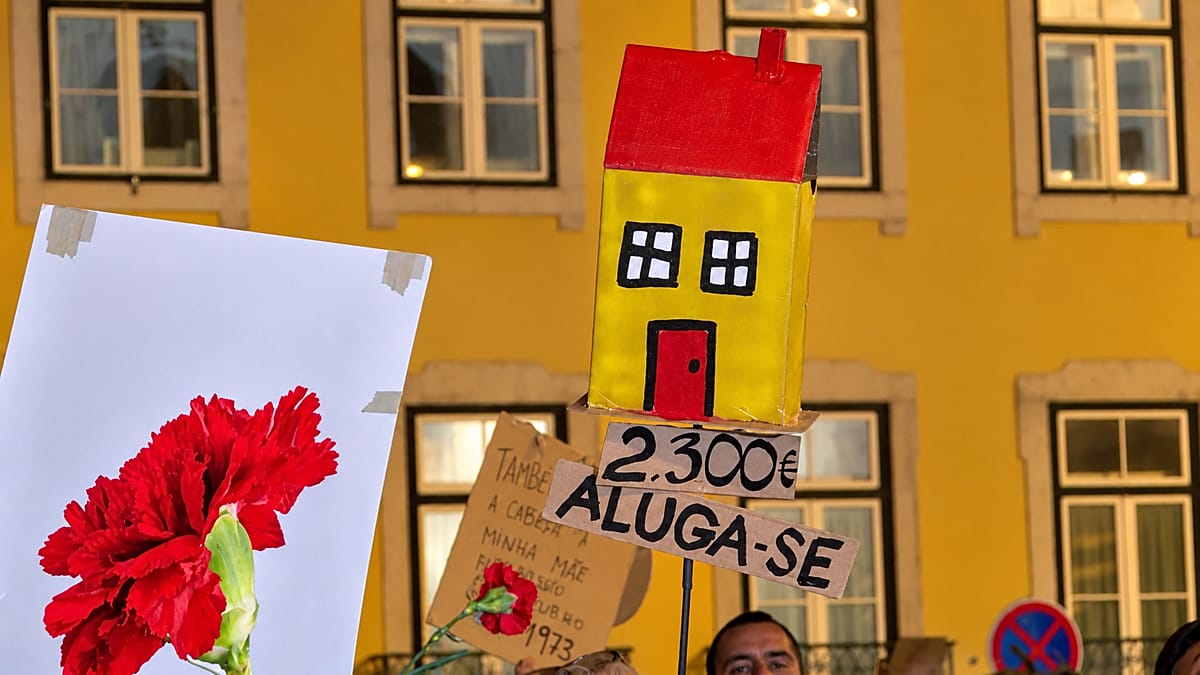
Across Europe, the relentless growth of international tourism has created a paradox: hotels and tour operators post record profits while the cities they operate in struggle with soaring housing costs, eroding local culture, and neighborhoods reshaped beyond recognition. Residents, not businesses, often bear the heaviest burden.
Now a new initiative, born in Malta, is trying to rebalance the equation. Positive Action Community Tourism (PACT) proposes a model in which hotels actively invest in the communities that host them, ensuring that a share of visitor spending translates into social, cultural, and economic benefits for locals. The movement was founded by British entrepreneur Mark Weingard, who leads the Iniala Group, and it has already attracted four member hotels.
A global movement with a local heart
Weingard, who has made Valletta his base, sees PACT as a way to transform tourism from a force of displacement into one of renewal. "We started in Valletta and we want to create a global movement," he told European Pulse. "We are working with the World Travel & Tourism Council to launch it internationally."
His argument is straightforward: hotels must build genuine relationships with the communities they operate in. "It is not enough to arrive in a destination, open a hotel, and make a profit," he says. "We must also help improve the lives of the people who live there."
The Iniala Group has put this philosophy into practice in the Maltese capital, sponsoring cultural and sporting projects and collaborating closely with residents. "We need the respect of the people who live here, not their hatred," Weingard explains. "That is why it is so important to work with residents."
His flagship property, Iniala Valletta, is a "boutique resort on an urban scale," created from restored historic buildings that blend seamlessly into the cityscape. When Weingard arrived, he found structures with remarkable architecture and history that deserved preservation. The investment, he says, has restored part of that heritage and brought new vitality to neglected areas.
"We cannot allow the transformation of a city to end up driving out its residents or destroying traditions," he insists. "The commitment has to be to preserve local identity, improving the city without losing its essence."
That vision is now set to expand. Weingard plans to replicate his hotel model in Lisbon, Athens, and Madrid, with properties "connected to the culture and identity of each city." He is also calling for a broader pact that brings together hotels, local authorities, and community groups across Europe. "I would like this philosophy to spread to other cities and for more hotels to join the initiative," he says.
The push comes as Europe's tourism sector is projected to grow significantly in the coming decade, according to a recent Accor report. That growth, if unmanaged, could deepen the very problems PACT seeks to address.
Hotels that care about wellbeing
Beyond community engagement, Weingard's hotel concept emphasizes guest wellbeing. His properties offer a full ecosystem of services: beauty and personal care, skin treatments, physical recovery, healthy cooking classes, psychological support, relaxation techniques, and meditation. The goal, he says, is not just a few days of rest but lasting change.
"We want guests to leave with knowledge, habits, and a plan they can continue to follow afterwards," he explains. He believes this holistic approach is the future of travel, as discerning visitors seek experiences that leave an emotional mark.
For Weingard, architecture, design, and gastronomy are central to that experience. He works with top local designers and architects and runs Michelin-starred restaurants. But the ultimate focus remains on people—both guests and the communities that welcome them.
As tourism continues to reshape European cities, the PACT model offers an alternative: one where hotels become stewards of their surroundings rather than extractors of value. Whether it can scale beyond a handful of properties remains to be seen, but its founder is convinced that the industry must change. "We cannot allow the transformation of a city to end up driving out its residents," he reiterates. "The commitment has to be to preserve local identity, improving the city without losing its essence."