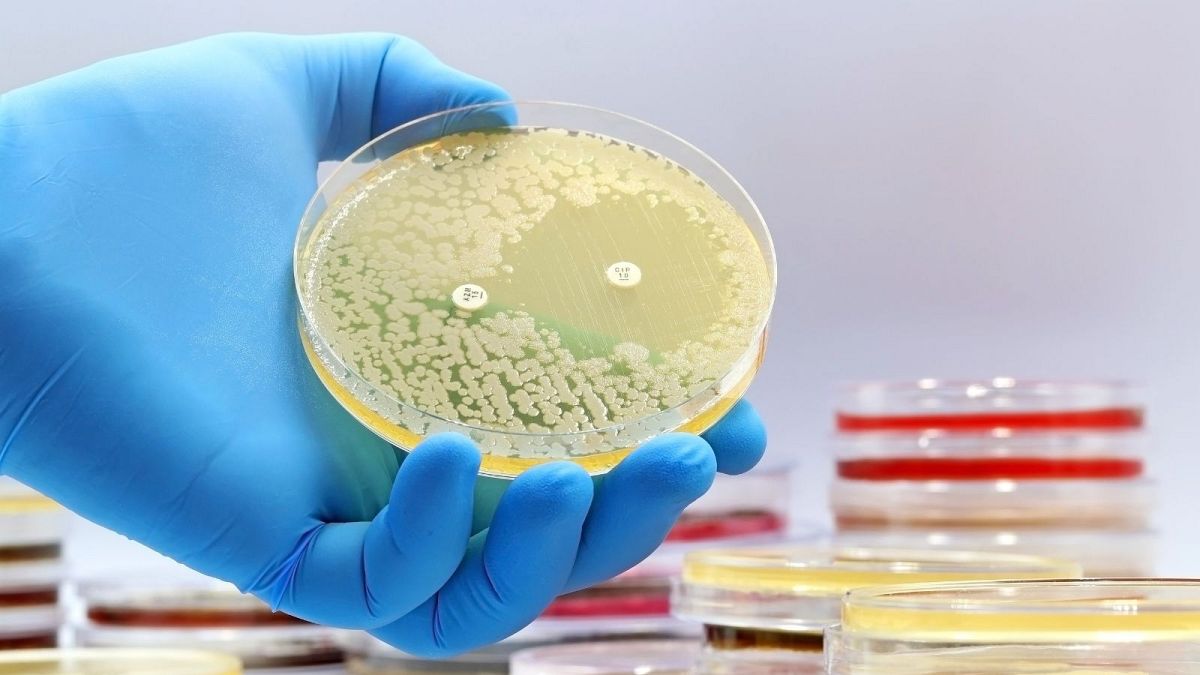
For the first time in six decades, scientists have discovered a new class of antibiotics capable of tackling drug-resistant Staphylococcus aureus (MRSA), thanks to advances in artificial intelligence. The breakthrough, published in Nature and led by a team of 21 researchers at the Massachusetts Institute of Technology (MIT), could mark a turning point in the global fight against antimicrobial resistance—a crisis that claims nearly 35,000 lives each year in the European Union alone, according to the European Centre for Disease Prevention and Control (ECDC).
MRSA infections range from mild skin conditions to life-threatening pneumonia and bloodstream infections. In the EU, almost 150,000 such cases occur annually, placing immense strain on healthcare systems from Berlin to Barcelona. The new compound, identified using deep learning models that are more transparent than previous approaches, offers a potential weapon against this persistent pathogen.
Opening the Black Box of AI Drug Discovery
Traditional deep learning models often function as 'black boxes,' making predictions without revealing their reasoning. In this study, the researchers deliberately aimed to change that. 'The insight here was that we could see what was being learned by the models to make their predictions that certain molecules would make for good antibiotics,' said James Collins, professor of Medical Engineering and Science at MIT and one of the study’s authors.
The team trained an enlarged deep learning model using data from approximately 39,000 compounds evaluated for antibiotic activity against MRSA. They then fed the model details about the chemical structures of these compounds. 'What we set out to do in this study was to open the black box. These models consist of very large numbers of calculations that mimic neural connections, and no one really knows what's going on underneath the hood,' explained Felix Wong, a postdoc at MIT and Harvard and a lead author of the study.
To refine their search, the researchers employed three additional deep learning models trained to assess toxicity on three distinct types of human cells. By integrating these toxicity predictions with antimicrobial activity data, they pinpointed compounds that could effectively kill microbes while minimising harm to the human body. This multi-model approach screened approximately 12 million commercially available compounds, identifying candidates from five different classes based on specific chemical substructures.
From there, the team acquired around 280 promising compounds and tested them in the lab against MRSA, ultimately identifying two antibiotic candidates from the same class. The framework, Collins noted, 'provides a framework that is time-efficient, resource-efficient, and mechanistically insightful, from a chemical-structure standpoint, in ways that we haven’t had to date.'
While the research originates from the United States, its implications for Europe are profound. The continent’s aging population and high rates of hospital-acquired infections make it particularly vulnerable to antimicrobial resistance. The ECDC has repeatedly warned that without new antibiotics, routine surgeries and cancer treatments could become increasingly risky. This AI-driven method could accelerate the discovery of drugs tailored to European pathogens, potentially reducing the reliance on broad-spectrum antibiotics that fuel resistance.
The study also highlights a growing trend in European research: leveraging AI to address public health challenges. Institutions such as the Max Planck Institute in Germany and the Pasteur Institute in France are already exploring similar deep learning approaches for drug discovery. The MIT team’s transparent models could serve as a blueprint for these efforts, fostering collaboration across the Atlantic.
As Europe grapples with housing crises and social stability—topics debated in Brussels and at the World Urban Forum—the need for robust healthcare infrastructure remains critical. The discovery of new antibiotics is not just a scientific milestone; it is a public health imperative that could save thousands of lives across the continent each year.