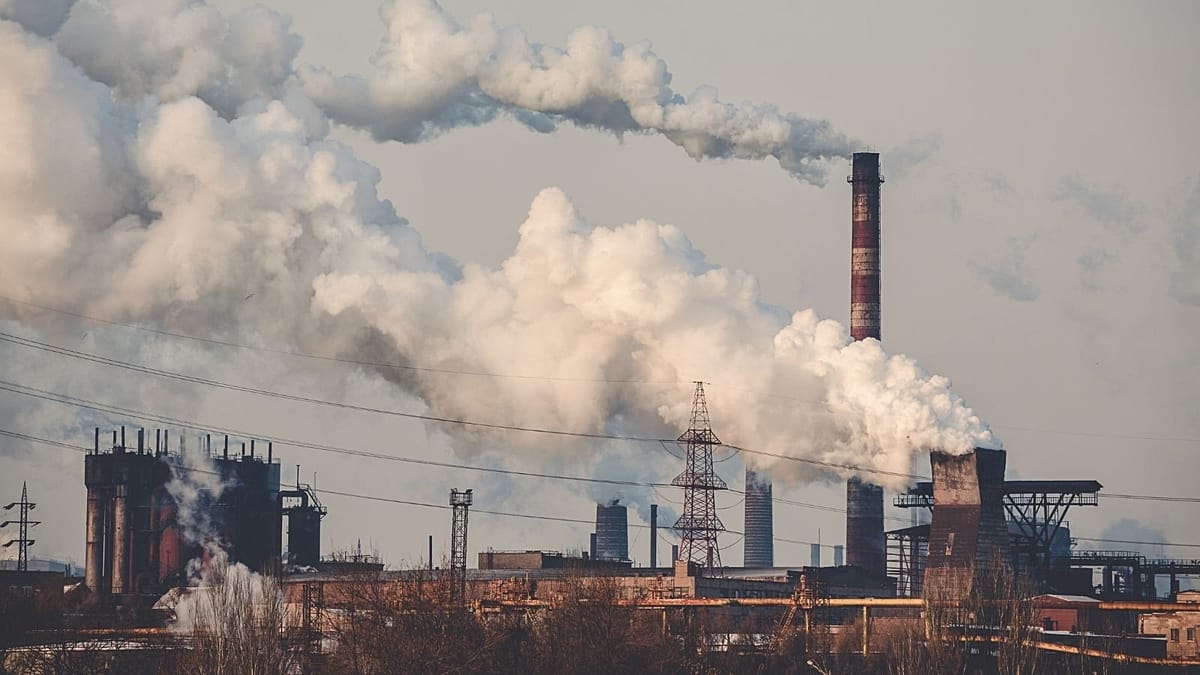
A comprehensive new report has established that the carcinogenic threat of air pollution extends far beyond lung cancer, significantly increasing the risk of developing and dying from a range of other malignancies. The analysis, published by The Union for International Cancer Control (UICC) with support from the Clean Air Fund, synthesises data from dozens of recent meta-analyses to paint a stark picture of a pervasive, silent health crisis.
The report concludes that populations exposed to high levels of fine particulate matter (PM2.5) face an 11% higher overall risk of developing cancer compared to those in cleaner environments. The sharpest increases in risk were identified for liver, colorectal, kidney, and bladder cancers. Long-term exposure to PM2.5 was also associated with a 12% increase in the overall risk of dying from cancer, with specific mortality risks jumping by 20% for breast cancer and 14% for liver cancer.
A Risk That Cannot Be Opted Out Of
"Clean air is not a luxury, it is a fundamental human right – one that underpins health, equity, and sustainable development," wrote Helen Clark, former Prime Minister of New Zealand and co-chair of Our Common Air, in the publication. "Tackling air pollution is not only an environmental priority; it is a cancer prevention strategy, an economic investment, and an act of social justice."
The findings underscore that the danger is not confined to any single pollutant. Exposure to larger particulates (PM10) was linked to a 10% higher overall cancer risk and significantly increased mortality from lung and breast cancer. Cary Adams, CEO of the UICC, emphasised the insidious nature of the threat: "We have made huge strides in reducing deaths from cancer, but polluted air is silently undermining that progress. It is a risk people cannot opt out of."
Stark Inequalities Across Europe and the Globe
The report details profound inequalities in how this risk is distributed. Women and children are often more exposed to harmful indoor air pollution from solid fuels used for cooking and heating. The analysis found women exposed to household air pollution face a staggering 69% higher risk of lung cancer, alongside increased risks of cervical cancer.
While low- and middle-income countries bear the greatest burden globally due to higher pollution levels and limited healthcare resources, the inequality is also starkly visible within Europe. Recent studies have shown that the continent's poorest regions, from post-industrial areas in Poland to disadvantaged urban neighbourhoods in major cities, are consistently the most affected by toxic air. This environmental injustice compounds existing health and social disparities. As Europe grapples with the interconnected challenges of public health and climate change, a recent Lancet report highlighted how climate inaction is already fueling heat deaths and disease, creating overlapping crises for vulnerable populations.
The call for action extends beyond traditional environmental policy. Elisabete Weiderpass, executive director at the International Agency for Research on Cancer (IARC), noted in the report that while more research is needed to fully understand the biological mechanisms, the cancer community "cannot afford to wait for perfect evidence before acting." She added, "The harms of air pollution are already clear, and the benefits of reducing exposure are well documented across a wide range of health outcomes."
The Path Forward: Monitoring, Standards, and Systemic Change
The report's authors urge a significant expansion of scientific evidence gathering on air pollution's impact beyond lung cancer and the establishment of more robust air quality monitoring and stricter standards. This requires a coordinated, multi-sectoral approach that treats clean air as a public health imperative.
Addressing the root causes of air pollution in Europe will involve tackling emissions from transport, industry, and domestic heating—a complex challenge that intersects with economic policy and urban planning. Some solutions, like promoting remote work to reduce commuter traffic, could have wider societal benefits; a separate study has linked remote work to higher fertility rates across the continent. However, experts warn against relying solely on technological fixes, arguing that a systemic shift is needed. A tech-first approach to transport may fail to meet Europe's broader climate and public health goals without complementary policies.
The evidence presented makes a compelling case that reducing air pollution is one of the most effective, albeit under-recognised, cancer prevention strategies available. For policymakers in Brussels, Berlin, Paris, and national capitals across the continent, the message is clear: safeguarding public health requires treating the right to breathe clean air as non-negotiable.