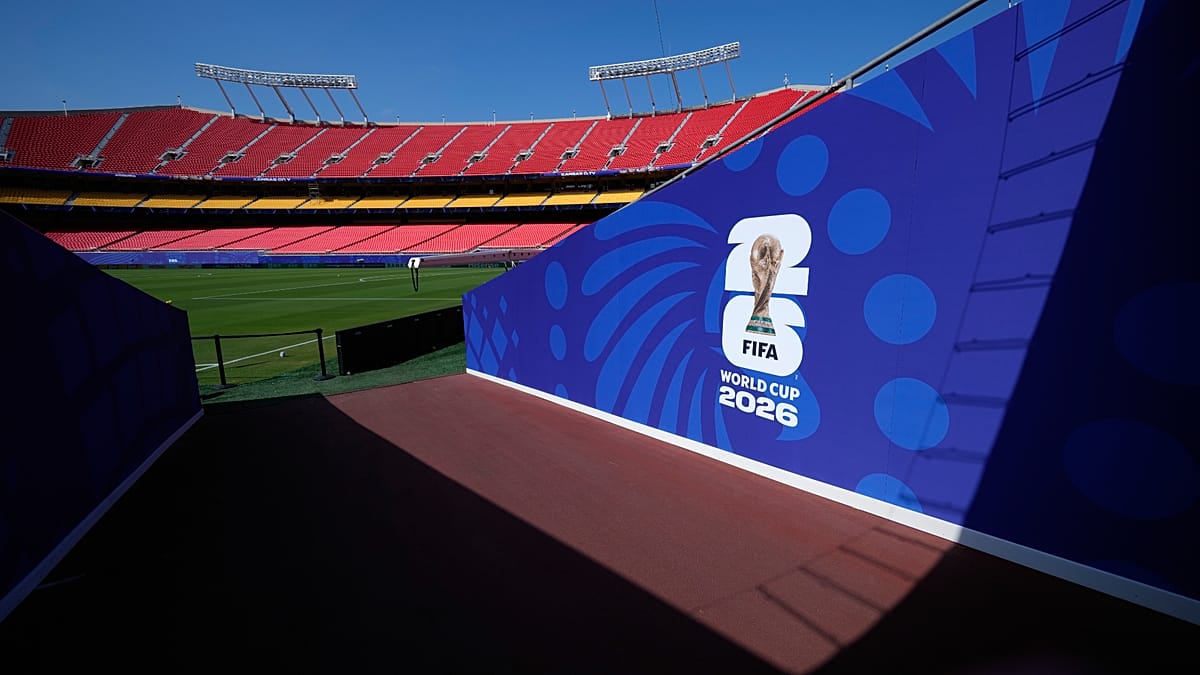
As the 2026 FIFA World Cup kicks off across three host nations—the United States, Mexico, and Canada—Airbnb has launched a promotion that gives fans a chance to attend matches without paying for a ticket. The company is offering free seats to guests who book certain accommodations in any of the 16 host cities, with listings marked by a football icon indicating the inclusion of match tickets for every guest on the reservation.
Dave Stephenson, Airbnb’s chief business officer, said in a statement: “Airbnb hosts don’t just offer you a place to stay – they provide a more authentic way to experience a destination. And this World Cup, they’re doing something extraordinary: helping fans follow their teams wherever the tournament takes them, with select homes including free tickets in every host city.”
The promotion covers matches from the group stage through the final. Bookings for group-stage and round-of-32 games opened on 10 June in cities including Los Angeles, Boston, Monterrey, New York/New Jersey, Mexico City, San Francisco, Seattle, Vancouver, Kansas City, and Dallas. For the round of 16, bookings start on 18 June in Philadelphia, Houston, New York/New Jersey, Mexico City, Dallas, and Seattle. Semi-final bookings begin on 9 July in Dallas and Atlanta, while stays near New Jersey’s MetLife Stadium—host of the final—become available on 16 July.
Airbnb says it has already given away over 1,300 tickets through this initiative and earlier surprise giveaways during the group stage. The average nightly rate for participating stays is $385 (€333.28).
Controversy over pricing and transparency
The 2026 tournament has not been without controversy, particularly regarding ticket pricing. In May, the states of New York and New Jersey launched formal investigations into FIFA’s “variable pricing” model, where ticket prices fluctuate based on demand and availability. The complaint accuses FIFA of misleading fans about prices and the accuracy of seat allocations.
Across the Atlantic, Euroconsumers, a European consumer rights organisation, has also raised concerns. Els Bruggeman, Head of Policy and Enforcement at Euroconsumers, said: “Let’s put a stop to this dynamic pricing. Let’s be very clear on how many tickets you [FIFA] still have and for where. Announce in all transparency what will be the prices.”
Despite FIFA’s promise that group-stage tickets would start at $60 (€51.77), prices for the final have soared as high as $4,185 (€3,628.48). The situation is further complicated by FIFA’s resale platform, which charges a 15% fee on both buyers and sellers. This has drawn criticism from European consumer advocates and echoes broader debates about fairness in major sporting events.
For European fans, the promotion offers a rare opportunity to attend matches without the steep markups, though the average nightly stay cost remains substantial. The initiative also highlights the growing role of short-term rental platforms in major events, a trend that has sparked discussions in cities like Barcelona and Berlin about housing affordability and tourism regulation.
As the World Cup unfolds, the tension between commercial opportunity and consumer protection remains a key theme, with European regulators keeping a close watch on FIFA’s practices. For now, fans who book early may secure both a place to sleep and a seat at the game.