When a highly anticipated album drops, fans rush to streaming platforms—but a new study suggests that surge in listening may come with a deadly side effect on the roads. Researchers found that traffic fatalities in the United States were 15.1% higher on days when major albums were released than on surrounding days, a pattern they link to the possibility of drivers interacting with their smartphones while behind the wheel.
The study, published in JAMA Network Open, analyzed 233,809 traffic deaths in the US between 2017 and 2022, using data from the Fatality Analysis Reporting System. The researchers focused on the release dates of the ten albums that generated the highest first-day streams during that period, including Taylor Swift's Midnights and Red (Taylor's Version), Drake's Certified Lover Boy, Bad Bunny's Un Verano Sin Ti, Kendrick Lamar's Mr. Morale & the Big Steppers, and Harry Styles' Harry's House.
By comparing deaths on those release days with the ten days before and after each release, the team created what they describe as a natural experiment. Album release dates are set by the music industry, not by road conditions or weather, so any change in traffic deaths around those dates is unlikely to be explained by typical driving hazards.
Streaming spikes, fatalities follow
On the ten release days, music streaming averaged 123.3 million plays, compared with 86.1 million on surrounding days—a jump of about 43%. Traffic deaths also climbed: an average of 139.1 per release day versus 120.9 on other days, translating to roughly 18 additional deaths per day. Overall, the researchers estimate that about 182 more people died on those ten days than would have been expected.
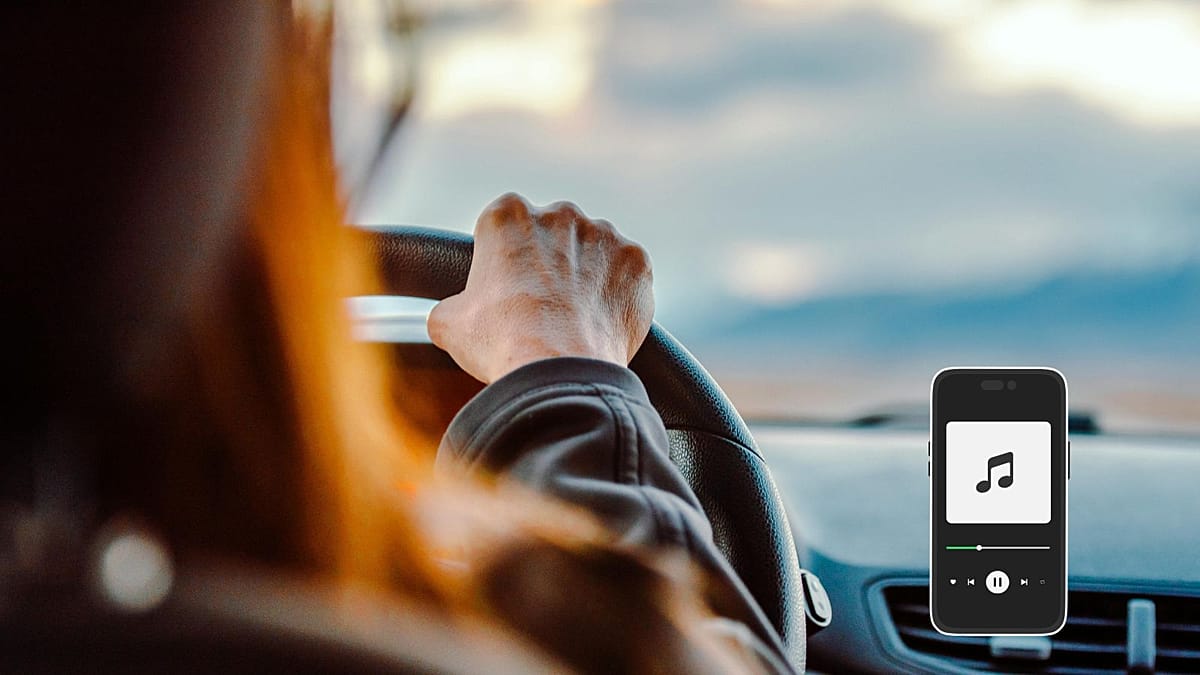
The findings do not suggest that simply listening to music in a car is dangerous. Instead, the authors point to a different kind of distraction: the act of finding and playing a new album. Unlike a familiar playlist, which requires minimal interaction, a fresh release may prompt a driver to unlock a phone, open a streaming app, search for an artist, browse tracks, and hit play—each step pulling attention away from the road.
The effect was strongest among younger and male drivers, and more pronounced in single-vehicle crashes and in cars equipped with infotainment systems. These patterns, the researchers say, hint that interacting with technology—rather than just listening—may be the core problem.
Testing the Friday effect
Most major albums come out on Fridays, which could muddy the picture, since weekend traffic patterns differ from weekdays. But when the researchers restricted their analysis to Fridays only, the increase in fatalities remained. They also ran placebo tests using randomly selected dates and Fridays, and in most simulations the effect was smaller than around actual release days. That strengthens the case that the association is not a statistical fluke.
Still, the study has clear limitations. The researchers did not know whether the people who died were actually streaming music, using their phones, or interacting with infotainment systems at the time of the crash. The study only shows that three things coincided: album releases, a spike in streaming, and a rise in deaths. It cannot prove causation.
Other factors—such as increased social activity around release events—could also play a role. Because the study is observational, the authors describe smartphone streaming as a potential contributor to distracted driving rather than a proven cause.
The findings nonetheless highlight how distracted driving is evolving as smartphones become more embedded in daily life. Drivers have long dealt with distractions like tuning a radio or swapping a CD, but smartphones have vastly expanded the range of temptations. In Europe, where mobile phone use while driving is already a leading cause of accidents, the study offers a cautionary tale. As streaming services continue to dominate how people consume music, the urge to check a new release while on the road may be a growing risk.
For European readers, the study's implications extend beyond the US. Similar patterns could emerge in countries with high smartphone penetration and strong streaming cultures. The research also ties into broader concerns about digital distractions and their societal impacts. While the study focuses on American roads, its message about the dangers of phone use while driving resonates across the continent, where many countries have strict laws against handheld devices behind the wheel.
As the music industry continues to schedule releases for maximum streaming impact, the study serves as a reminder that the digital economy's effects can ripple into unexpected areas—including road safety. For now, the advice remains simple: if you're driving, wait until you've parked to hit play on that new album.