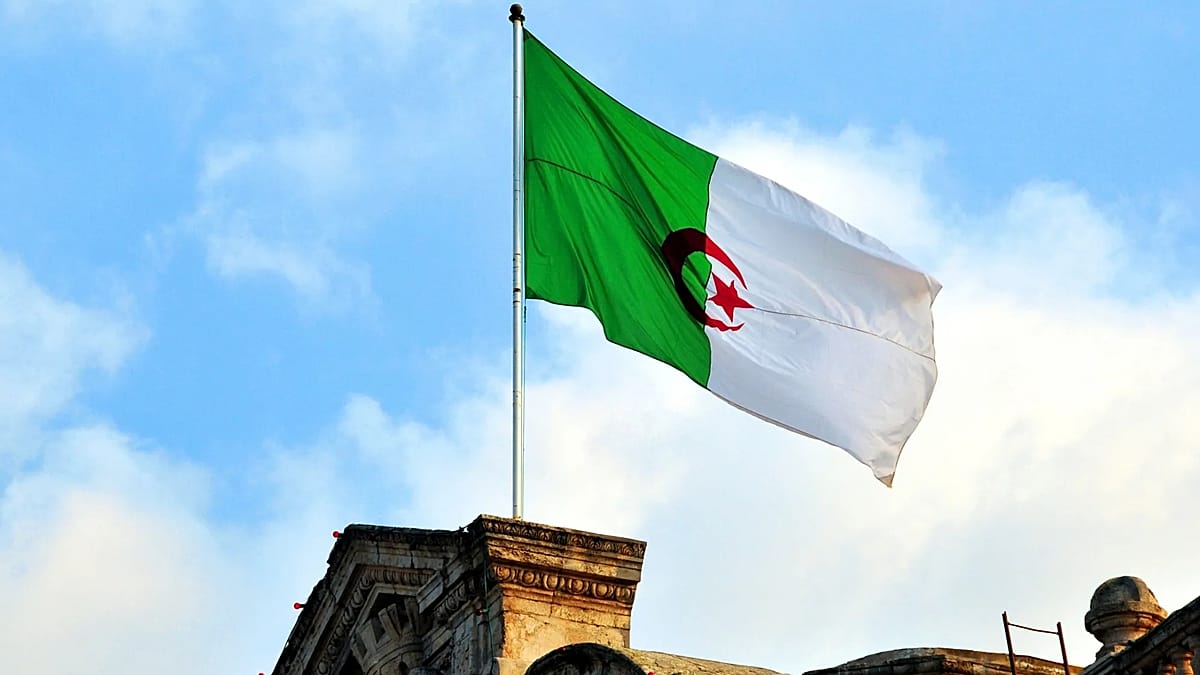
In a historic break with decades of diplomatic caution, Algeria's parliament has authorised the deployment of troops to neighbouring Niger to safeguard energy infrastructure, particularly oil projects run by the state-owned company Sonatrach. The approval, passed in a closed extraordinary session on Sunday, marks Algeria's first foreign military mission since it sent forces to support Egypt during the 1973 Arab-Israeli war.
The upper house of parliament voted in favour with 148 of 174 lawmakers present, while the lower house also backed the move by an absolute majority. Under Article 91 of the Algerian constitution, any deployment of troops abroad requires the endorsement of two-thirds of the members of each chamber. The authorities have not disclosed the size of the force or the start date, stressing that the mission will be limited and focused on protecting Algerian investments.
Growing security cooperation
The vote came days after Niger's Defence Minister Salifou Modi visited Algiers, where he met President Abdelmadjid Tebboune and army chief Saïd Chengriha. Algerian media reported that a military cooperation protocol was signed during the visit. Tebboune had signalled the shift on 3 October, declaring in a televised address: "We will protect Niger whatever it takes," while accusing unnamed states of plotting against the country.
Security ties have deepened since a coup attempt in Niger in August was thwarted. Algeria has since provided Niamey with four military helicopters and dispatched four Su-30 fighter jets accompanied by an in-flight refuelling aircraft. The two countries share a 960-kilometre desert border and have recently committed to enhanced cooperation against jihadist violence, cross-border crime and trafficking.
Economic stakes: oil and gas
Economic interests are a central driver of the deployment. Sonatrach, through its international subsidiary SIPEX, is expanding operations in Niger's Kafra oil field, located about 85 kilometres from the Algerian border. Drilling began on 13 August, and the field's oil resources are estimated to exceed 2.5 billion barrels, making it one of Sonatrach's key investments abroad.
Beyond oil, Niger forms a strategic corridor for the Trans-Saharan gas pipeline, a planned 4,000-kilometre route to carry Nigerian gas to Europe via Niger and Algeria. Algeria started work in June on its section of the pipeline and inaugurated a 40-megawatt power plant to supply Niamey and surrounding areas with electricity. Tebboune has linked the military move to these projects, warning of actors seeking to undermine them.
Observers argue that the deployment signals a broader shift in Algeria's approach to regional crises, moving away from its traditional reliance on diplomacy and dialogue. Relations between Algiers and Niamey had been strained after Algeria shot down a drone from Mali last year, prompting Niger, along with Mali and Burkina Faso, to recall its ambassador. However, recent months have seen a rapprochement, with both countries prioritising economic and security cooperation.
Niger has been ruled by a military junta under General Abdourahamane Tiani since July 2023, when elected president Mohamed Bazoum was deposed and detained. The country continues to face security turmoil and armed attacks, making the protection of foreign investments a pressing concern.
This deployment is a rare example of Algeria using military force beyond its borders, and it underscores the growing importance of energy security in the Sahel region. As European nations seek to diversify gas supplies, projects like the Trans-Saharan pipeline could play a significant role, though security challenges remain formidable.