European leaders have welcomed Luiz Inácio Lula da Silva's re-election as Brazil's president, a result that defied pre-election polls and secured a key partner for the European Union in Latin America. The victory, confirmed on Sunday night, was met with a wave of relief across European capitals, where officials had feared a return to the confrontational politics of the Bolsonaro era.
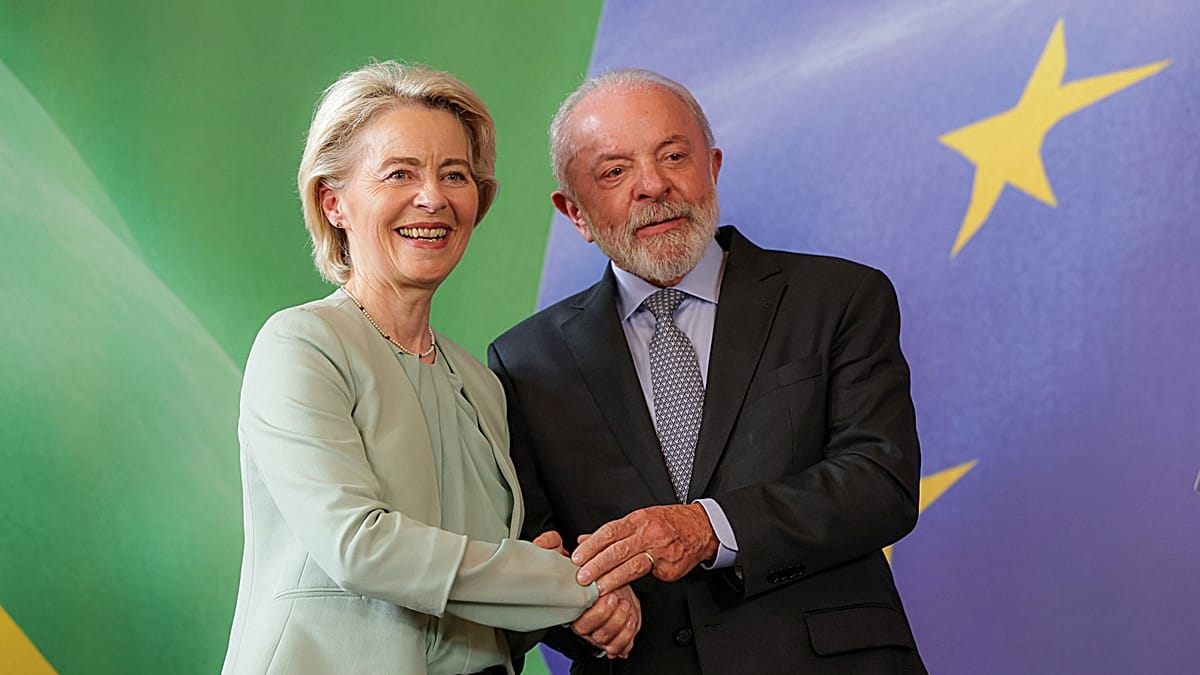
Ursula von der Leyen, President of the European Commission, was among the first to congratulate Lula, with whom she has worked closely on the EU-Mercosur trade agreement. In a statement on social media, she said: "Democracy and multilateralism have won in Brazil. Europe's partnership with Brazil is thriving. We will remain by your side for the years to come."
António Costa, President of the European Council, spoke with Lula by phone on Sunday night. "The Brazilian people have spoken," Costa said. "We will continue to work together to deepen our ties, tackle global challenges and build a more peaceful and prosperous world."
The EU-Mercosur deal, signed in January with the South American bloc comprising Brazil, Argentina, Paraguay and Uruguay, was seen as a direct rebuke to the punitive tariffs imposed by US President Donald Trump. Brussels had worried that Lula's right-wing challenger, Flávio Bolsonaro, would derail the agreement after he called for Brazil to break free of Mercosur's "shackles" and pursue independent trade deals, including with Washington.
French President Emmanuel Macron also joined the chorus of congratulations, emphasising the strategic importance of the relationship. "In the face of the great challenges of our time, let us strengthen our strategic partnership and bring to life the friendship between our two countries in service of a more just world," Macron said.
Pedro Sánchez, Spain's prime minister and the most prominent left-wing leader in Europe, drew a direct parallel with his own political situation. With conservative opposition leading polls ahead of snap elections next month, Sánchez said: "What has happened in Brazil will happen in Spain. The comeback of global progressivism has just begun."
The result in Brazil showed Lula with a lead of nearly 4.4 million votes over Bolsonaro, giving him 51.8% of the total vote. Bolsonaro, whose father Jair Bolsonaro is in jail for leading a coup attempt, has contested the tally and called for the election to be annulled. He claimed that the judiciary's decision to extend voting hours due to torrential rains and public transport delays was a "dirty trick".
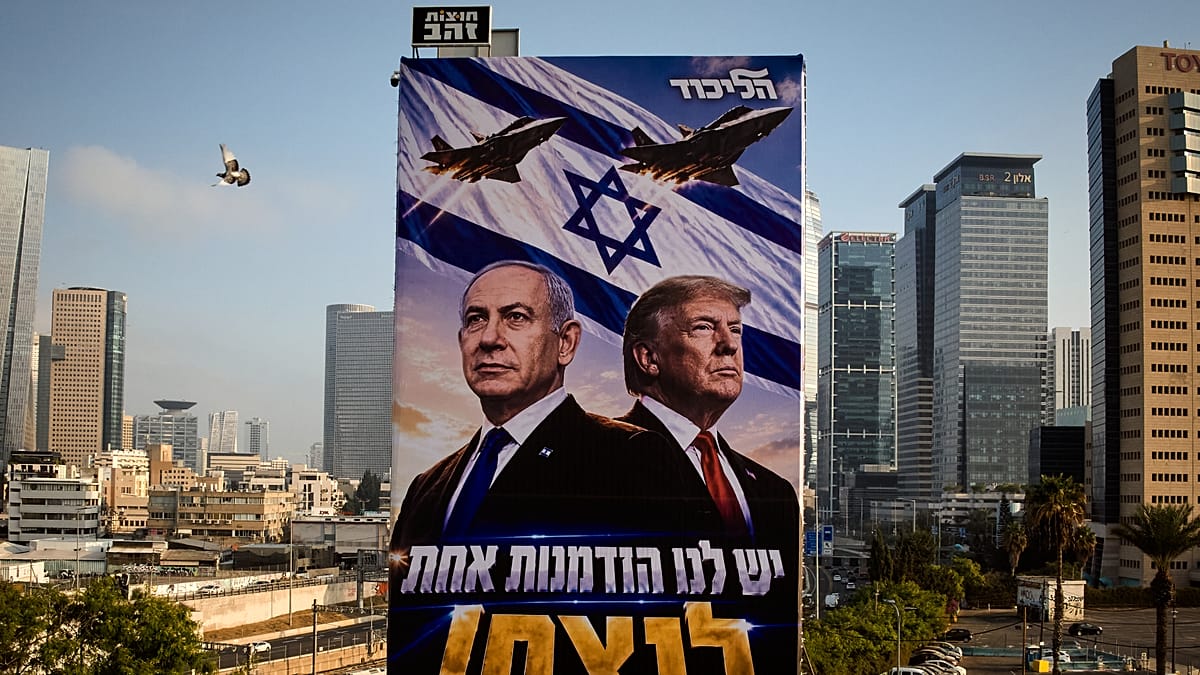
European observers noted that a win for Bolsonaro, which many polls had predicted after the first round, would have consolidated a right-wing turn across Latin America. The Trump administration has sought to assert dominance in the region under what some have called the "Donroe Doctrine", a play on the Monroe Doctrine. That pressure has, paradoxically, pushed the EU and Brazil closer together as both sought reliable partners in an increasingly volatile world.
The EU and Brazil have found common ground on issues where Trump has been a disruptive force: free trade, the multilateral order, and climate action, with particular focus on the Amazon rainforest. Lula's return is expected to reinvigorate efforts to protect the Amazon, a priority for European climate policy. As analysts note, Lula's victory secures Amazon gains despite a far-right Congress.
The celebrations in Brazil were mirrored in European diplomatic circles, where the result was seen as a validation of democratic processes. "Democracy has won," von der Leyen declared, a sentiment echoed by leaders from Lisbon to Berlin. The street celebrations in Brazil were a stark contrast to the tense atmosphere of the campaign.
For the EU, the immediate priority is to consolidate the Mercosur agreement and deepen cooperation on trade and climate. Lula's victory also offers a counterweight to the influence of the Trump administration in the region, a point not lost on European policymakers. As reports confirm, Lula's fourth term is now a reality, but the political battle is far from over.
With Bolsonaro contesting the result, the coming weeks will test Brazil's democratic institutions. European leaders have made clear they stand with Lula and with the democratic process. As Costa put it, "We will continue to work together to build a more peaceful and prosperous world."