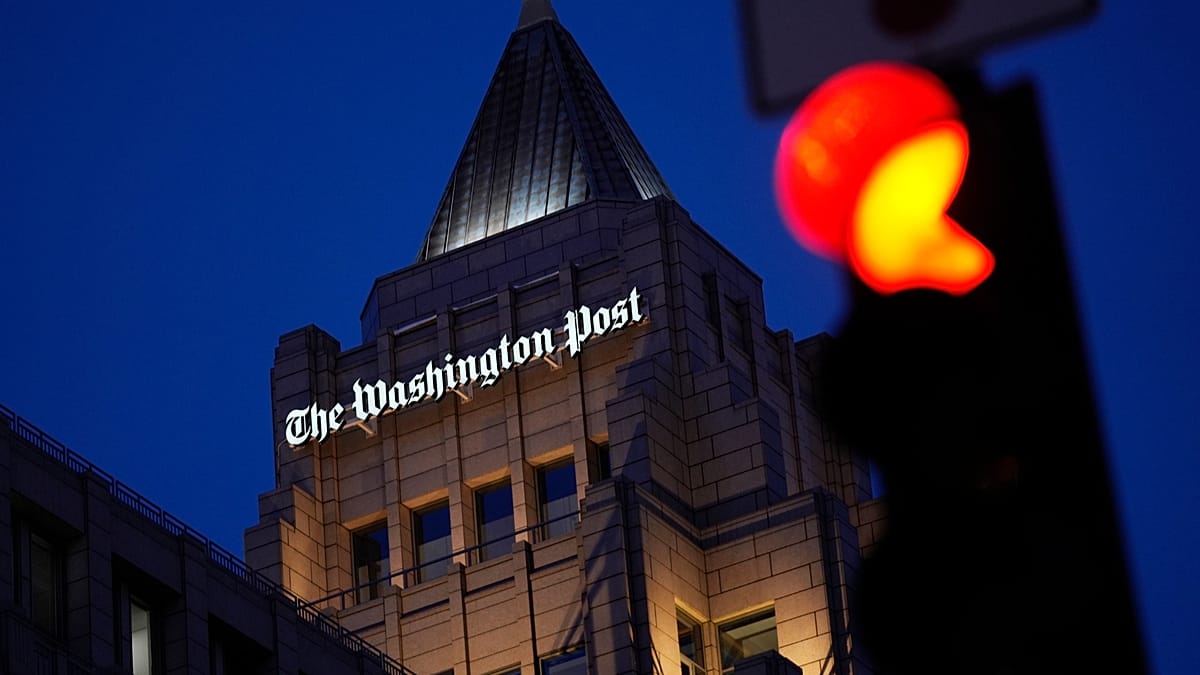
An independent arbitrator has ruled that The Washington Post must reinstate columnist Karen Attiah, who was dismissed last year over social media posts written after the assassination of right-wing activist Charlie Kirk. The decision, reported by the paper itself, concluded that the Post “did not have good and sufficient cause” for terminating her employment, and ordered the newspaper to compensate her with back pay.
Attiah, who had worked at the Post for eleven years, was fired in September after Kirk was shot dead on a Utah college campus. In the aftermath, she wrote on social media that she would not express sadness over his death and shared past racist comments Kirk had made about Black women, including claims that they lacked “brain processing power” and needed diversity programs. The Post accused her of “gross misconduct” and violating its social media policies.
Reacting to the ruling, Attiah wrote on X that she was “happy” with the outcome, saying she had been forced out for “speaking the truth.” The Post said it respected the arbitration process but declined further comment.
Attiah’s case has resonated well beyond the United States, touching on questions of press freedom, editorial independence, and the limits of social media expression—issues that are equally live in European newsrooms. In Brussels, Strasbourg, and national capitals, journalists and media watchdogs have followed the case closely, as it underscores the tension between corporate media policies and individual journalists’ rights to comment on public events.
A career marked by courage
Attiah gained international recognition as the editor for Jamal Khashoggi, the Saudi journalist and US resident who was murdered inside the Saudi consulate in Istanbul in 2018. She had recruited Khashoggi to write about the Arab world and published his posthumous final column, which called for free expression in the region. US intelligence and a United Nations investigation later concluded that Riyadh bore responsibility for his killing.
At the time of her dismissal, Attiah noted that she was the “last remaining Black full-time opinion columnist at the Post.” Her firing sparked debate about diversity in media and the pressures faced by journalists of color, a conversation that echoes in European outlets grappling with similar underrepresentation.
The arbitrator’s decision comes amid broader scrutiny of media ownership and editorial direction. Since Jeff Bezos, the billionaire founder of Amazon, purchased the Post in 2013, the paper’s opinion section has reportedly shifted toward “personal liberties and free markets,” according to internal mandates. Critics argue such shifts can chill dissent, a concern familiar to European journalists covering the rise of populist movements and the tightening of media freedoms in countries like Hungary and Poland.
Attiah’s reinstatement is a rare victory for individual journalists against corporate media power. It also highlights the growing importance of arbitration in labor disputes within the media industry, a trend that European media unions are watching with interest.
While the case is rooted in US politics, its implications for press freedom and editorial autonomy are universal. As European media face their own challenges—from political pressure to economic consolidation—the Attiah ruling serves as a reminder that the independence of journalists is a cornerstone of democratic society.