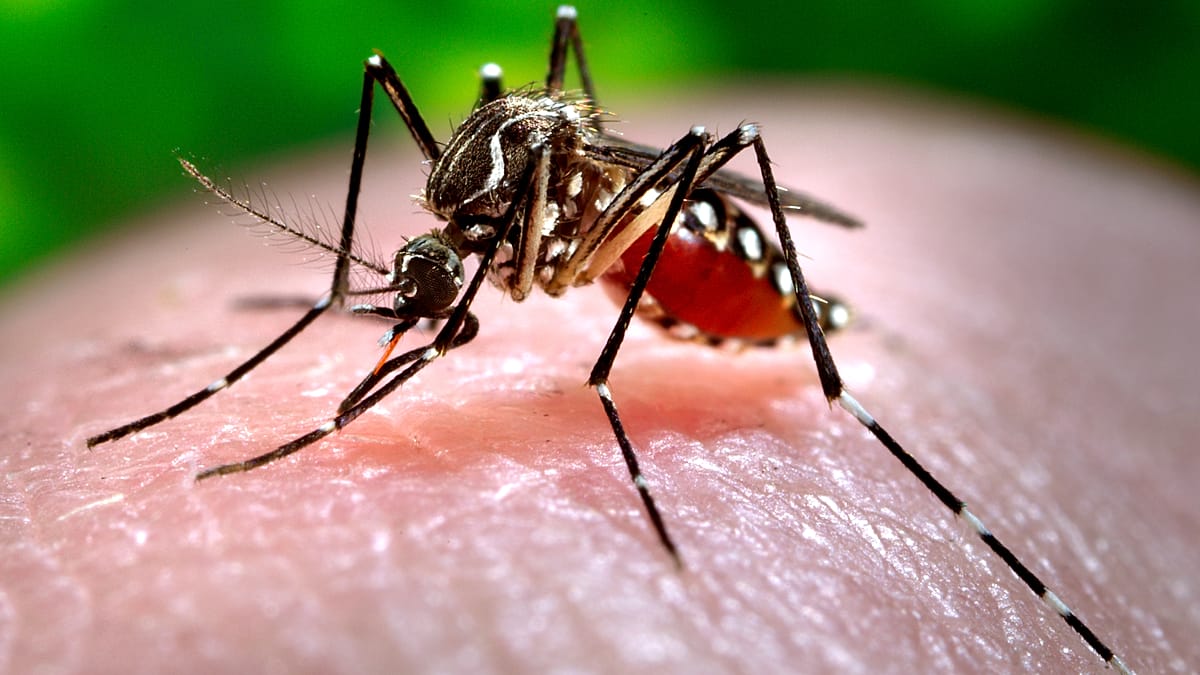
For decades, the Asian tiger mosquito (Aedes albopictus) was a creature of the tropics. Now, it has established a foothold in Germany, with confirmed populations as far north as Berlin. The species, easily identified by its black-and-white striped body and painful daytime bites, is raising alarms among health authorities across the continent.
In North Rhine-Westphalia, the mosquito has been found in Bonn, Euskirchen, and the Rhein-Erft district. The city of Cologne has issued warnings that the insect could multiply significantly in the coming months. The northernmost confirmed population is in Berlin, marking a notable expansion of its range in central Europe.
Why the Spread Is Accelerating
The Asian tiger mosquito thrives in warm, humid conditions—exactly the weather much of Germany has experienced this year, with frequent rain interspersed with sunny, warm spells. Winters in North Rhine-Westphalia have become progressively milder, creating a more hospitable environment for the species to survive and reproduce.
According to the Bernhard Nocht Institute for Tropical Medicine (BNITM), another key factor is the increase in international travel and goods traffic. The mosquito often hitches rides in vehicles, cargo, and even luggage, allowing it to leapfrog across borders. This pattern mirrors its spread across southern and central Europe since the 1990s, driven by climate change.
Health Risks: Dengue and Chikungunya
The primary concern is that the Asian tiger mosquito can transmit pathogens such as dengue and chikungunya viruses. Dengue, also known as breakbone fever, typically causes high fever, severe headache, muscle and joint pain, and a skin rash four to ten days after infection. Most patients recover within one to two weeks, but severe cases can lead to bleeding, circulatory failure, and death. There is no specific antiviral treatment; care focuses on symptom relief and hydration.
Chikungunya fever, transmitted by both the yellow fever mosquito and the Asian tiger mosquito, brings sudden high fever and debilitating joint pain that can persist for weeks or months. While rarely fatal, the disease can severely impact quality of life. Again, no specific antiviral therapy exists.
So far, no cases of local transmission by established tiger mosquito populations have been recorded in Germany. However, experts quoted by the Pharmazeutische Zeitung believe that, given the accelerating pace of climate change, it is only a matter of time before such an event occurs. This concern is part of a broader pattern of vector-borne diseases expanding into Europe, as seen with the recent Ebola outbreaks in Africa that have prompted heightened vigilance on the continent.
How to Protect Yourself
Public health officials recommend simple but effective measures. The most important is to eliminate standing water where mosquitoes breed: empty watering cans, buckets, plant saucers, and ensure rainwater does not collect in gutters or tarps. Citizens can also participate in the Mosquito Atlas, a nationwide project that collects specimens for identification and tracking. By catching and sending in Asian tiger mosquitoes, residents help scientists monitor the spread and refine control strategies.
The expansion of the Asian tiger mosquito is a reminder that climate change is reshaping Europe's public health landscape. As temperatures rise and weather patterns shift, species once confined to the tropics are finding new homes in cities from Cologne to Berlin. The question is no longer whether they will arrive, but how prepared Europe is to manage the risks they bring.



