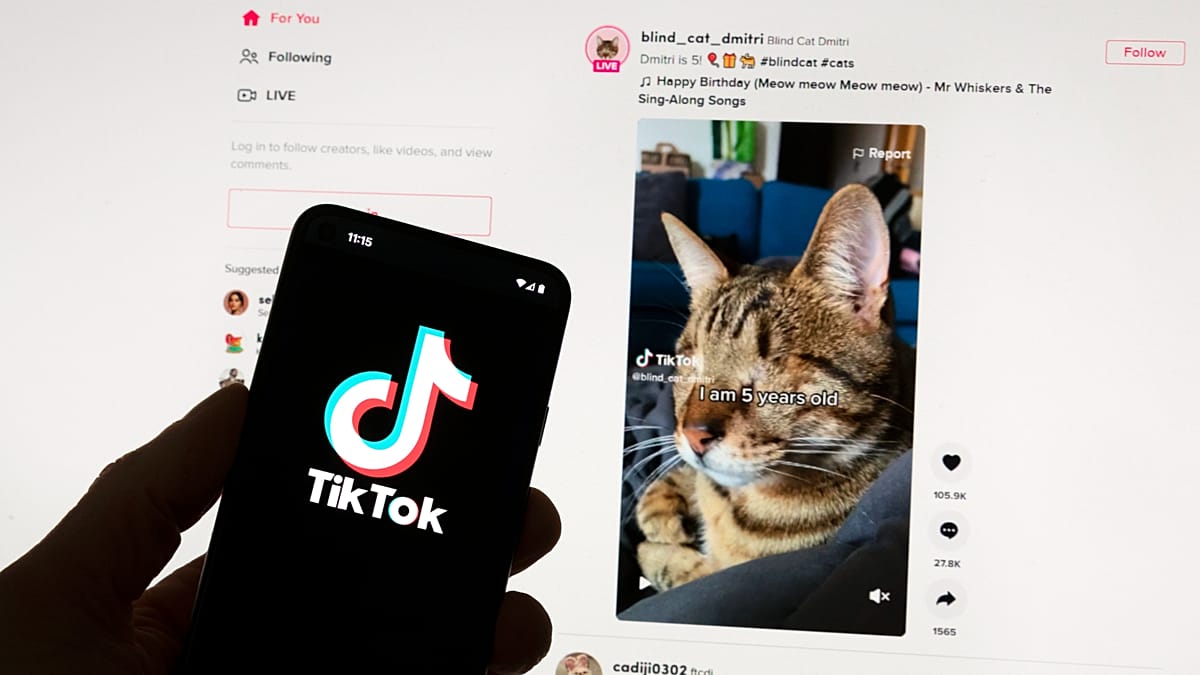
On Tuesday, the Tuscan capital of Florence signed an agreement to launch Discover – Out of the Shell, Italy's first specialised centre for addressing social media addiction and promoting conscious use of digital technologies. The initiative, a collaboration between the local health authority ASL Toscana centro, the City of Florence, and the Retesviluppo cooperative, marks a novel approach in a country that has so far avoided outright bans on social media for minors.
The centre will cater to young people aged 10 to 25, offering a range of services including guidance programmes, a listening desk, and practical workshops. These activities aim to balance media education with hands-on social interaction through board games, manual crafts, and group work. The goal is to transform young users from passive consumers into active participants in their own time management.
A Preventive Model Rather Than Prohibition
Italy's strategy stands in contrast to the stricter measures adopted elsewhere in Europe. While France became the first EU member state to ban social media for under-15s, effective from September, and the United Kingdom has proposed a night-time curfew for 16- and 17-year-olds, Florence's approach is rooted in prevention. Councillor for Youth Policies Letizia Perini explained: “Digital technologies are part of young people's everyday lives and represent an extraordinary opportunity. Precisely for this reason we have a duty to support them in making increasingly conscious use of these tools, helping them to find a balance between the time spent online and the time devoted to relationships, sport, culture and shared experiences.”
Ester Macrì, President of Retesviluppo, emphasised the centre's innovative philosophy: “We will not simply be imposing bans, but an innovative approach based on two pillars: guided disconnection and the promotion of conscious use of technology, to turn young people from passive consumers into active protagonists of their time. The Discover Centre aims to be a hub open to the local community, to analyse the phenomenon, launch interventions and practical workshops and train the educational community, rebuilding the social fabric that digital isolation risks fraying.”
The centre will operate after the summer, staffed by a team of employees, collaborators, and volunteers from Retesviluppo, which has a decade of experience working in schools. For complex cases involving social withdrawal, isolation, or psychological distress, ASL Toscana centro will coordinate specialist services.
Valerio Mari, Director of ASL Toscana centro, highlighted the centre's integrative role: “It was a much-needed centre that was missing from our area and that commits all of us, the signatory bodies, to keeping the sharing of strategies and projects alive. A key added value is the possibility of integrating prevention activities with constant links to the competent services. All this is done from a perspective of empowerment, far removed from logics of prohibition or simple bans.”
The broader European context is one of increasing regulatory action. Following Australia's lead, France has banned social media for under-15s, and the UK is considering a night-time curfew for older teens. Greece, Slovenia, Sweden, and Spain are also planning restrictions for under-16s and under-14s. European Commission President Ursula von der Leyen has backed measures to protect minors online, citing data on the risks for younger users.
Florence's centre is part of a wider trend across Europe to address digital wellbeing. For instance, Castilla-La Mancha's new cycling network encourages physical activity as an alternative to screen time. Meanwhile, the debate over digital addiction intersects with broader questions about how Europeans navigate the online world, as explored in how to rediscover travel's element of surprise in the age of social media.
By focusing on education and community rebuilding, Florence hopes to offer a model that other Italian cities—and perhaps other European countries—may follow. The centre will also be open to parents and external educators, fostering a collective approach to a challenge that affects millions of young Europeans.