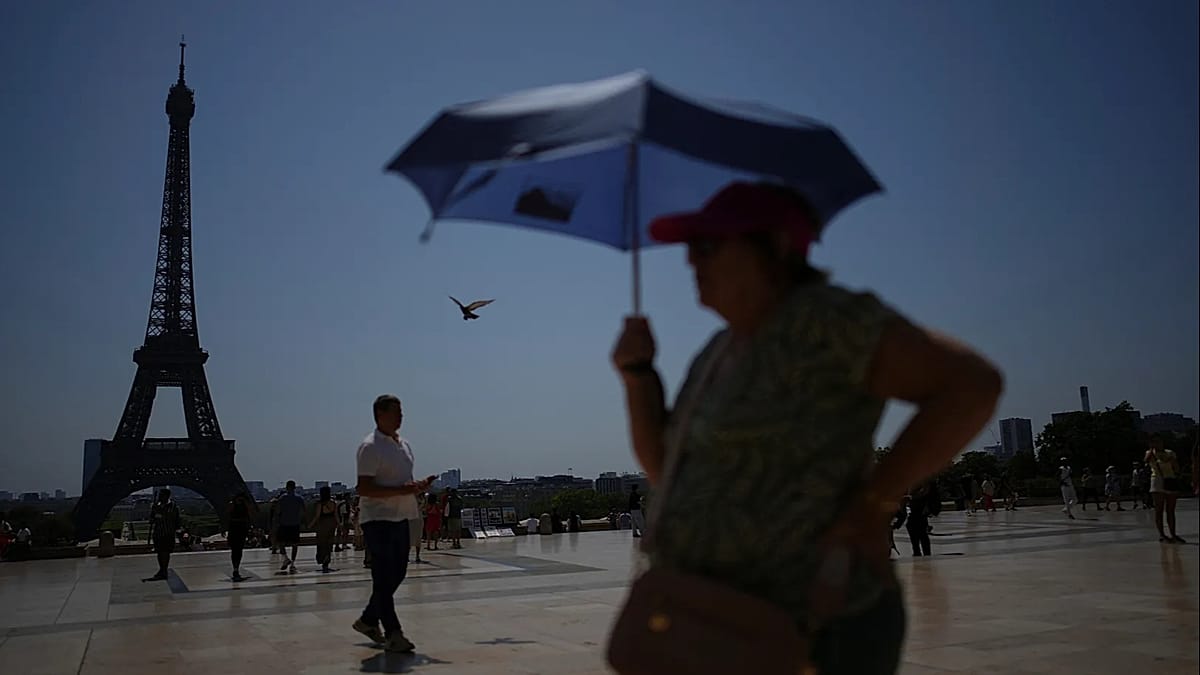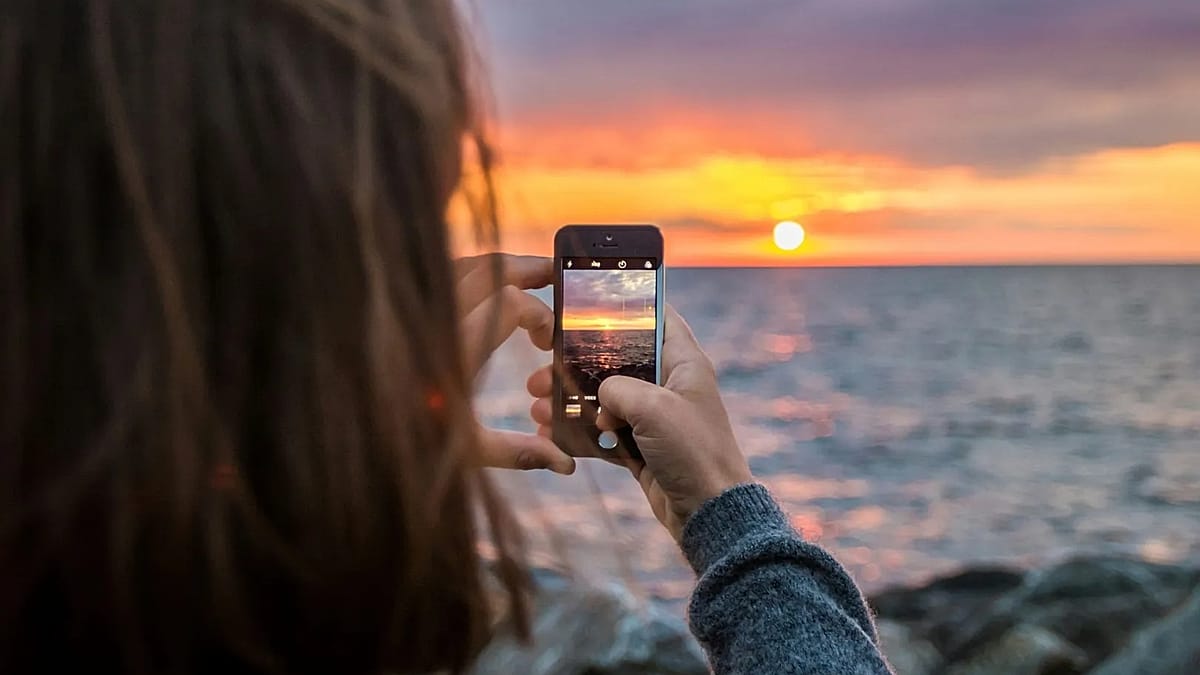
It is increasingly rare to arrive at a new destination without having seen it first through a screen. Even if you avoid active searching, algorithms on TikTok or Instagram Reels serve up snippets of landmarks, cafés, and viewpoints before you have booked a ticket. While practical information—directions, public transport options—is undeniably useful, the constant feed of curated images can erode the spontaneity that makes travel memorable.
A recent survey by the Hint App, polling 10,684 adults across Europe, the UK, the US, Canada, Australia, and Latin America, found that 68% of travelers have arrived at a place they had never visited only to feel it was already familiar. More strikingly, 74% said they research destinations so thoroughly that few genuine surprises remain once they land. A further 64% recognized landmarks and viewpoints specifically because they had seen them on social media platforms.
“People use information to reduce uncertainty before an experience begins,” said Kirill Liakh, managing director of the Hint App. “That can make the experience easier, but it can also make the first encounter feel less distinct.”
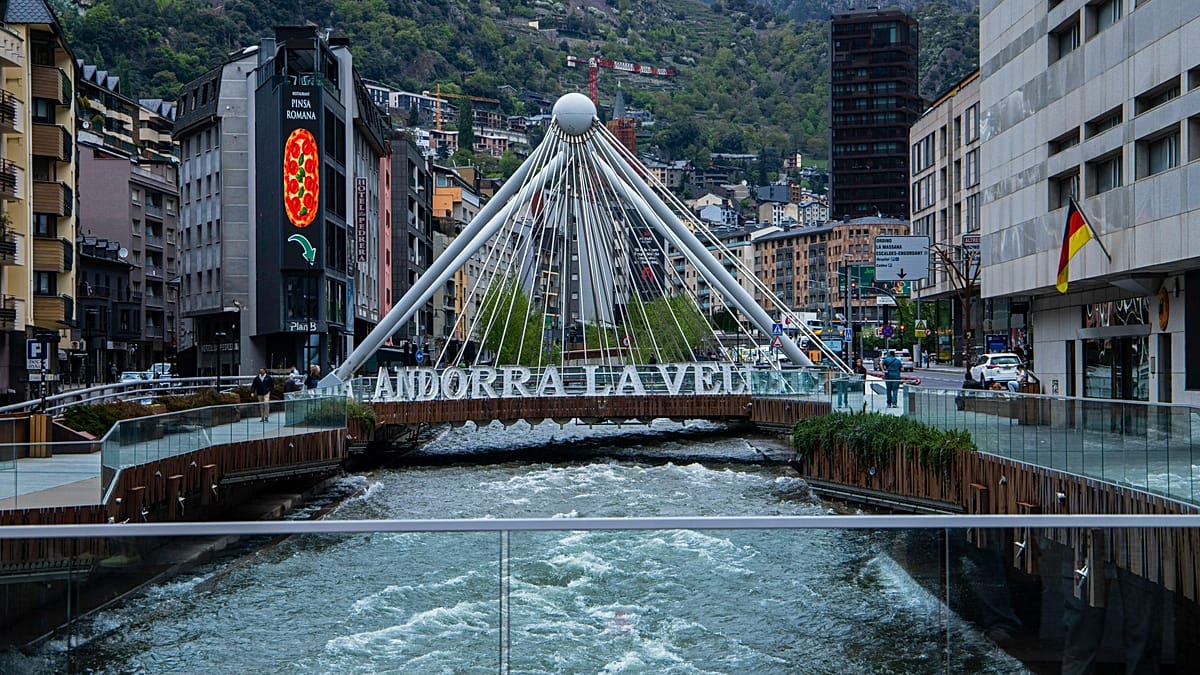
For European travelers, who often hop between member states with ease, the loss of surprise is particularly acute. A weekend in Lisbon or a train ride to Ljubljana can feel like a checklist of Instagram spots rather than a genuine discovery. But there are ways to restore the element of surprise without abandoning preparation altogether.
Practical Steps to Reclaim Spontaneity
Embrace the guidebook. Instead of asking Google or a generative AI chatbot for recommendations, pick up a physical guidebook from publishers like Lonely Planet, Bradt Travel Guides, Rough Guides, or Fodor’s Travel. These books have limited space for images, so they cannot spoil every corner of a city. They offer curated suggestions without overwhelming you with visual previews.
Talk to people. In an era dominated by apps, direct human interaction remains a powerful tool. Hotel concierges, tourist information centre staff, and bartenders—especially in hostels—can provide tips that are not on social media. For instance, Sofia’s tourist information centres offer maps for self-guided tours of the city’s art scene and post-war architecture, details you might not find online.
Follow your own two feet. Some of the best travel memories come from wandering without a fixed plan. Stumble upon a busy café, an unusual museum, or a quiet square. Guidebooks and tourist maps can point you toward historic old towns or neighbourhoods known for nightlife, but leave the specifics to chance.
For those seeking inspiration beyond the algorithm, consider destinations that are less saturated on social media. Three European islands set to become 2026's top travel destinations offer a chance to explore before the crowds arrive. Alternatively, Europe's top running destinations for active travelers provide a way to experience cities on foot, away from typical tourist routes.
The broader debate about social media’s impact on travel is part of a larger conversation about digital regulation in Europe. France has already banned social media for under-15s, and Ursula von der Leyen has backed age-based restrictions. While these measures target younger users, they reflect a growing awareness that constant digital exposure can diminish real-world experiences.
Ultimately, the goal is not to abandon research but to balance it with openness. A little preparation ensures you do not miss the essentials; leaving room for the unexpected ensures you do not miss the magic.