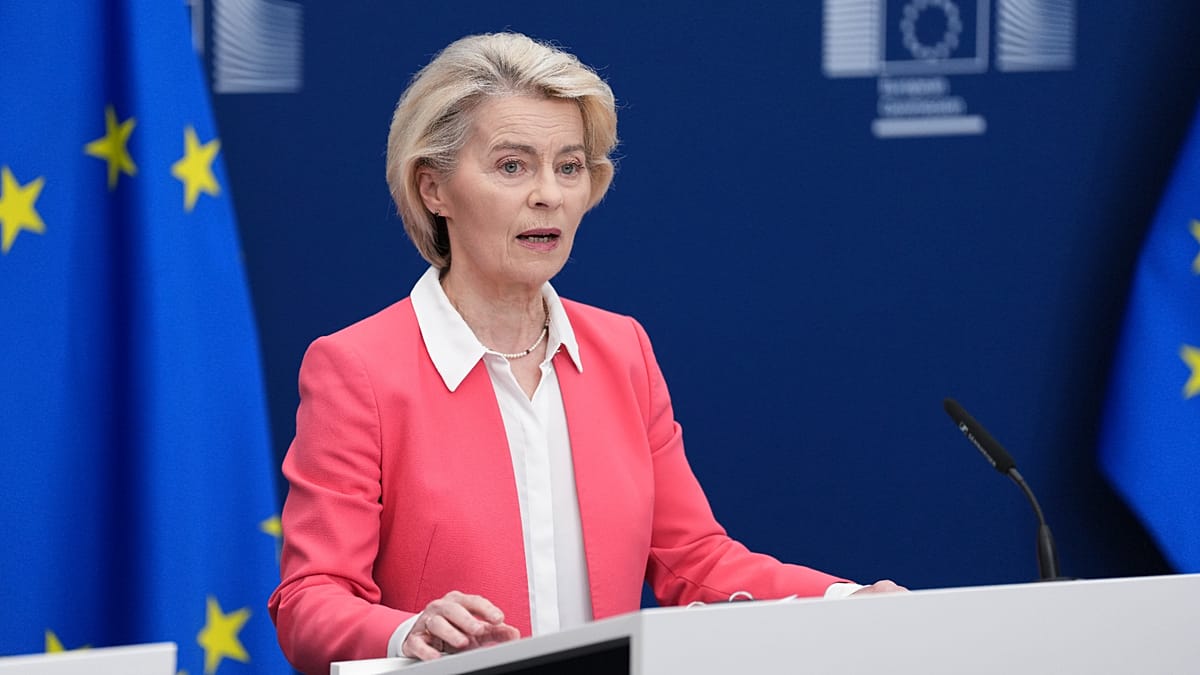
European Commission President Ursula von der Leyen has thrown her weight behind stricter age-based restrictions on social media, arguing that the evidence from a special panel on child safety online should guide future EU policy. Speaking at a press conference in Brussels, she endorsed a phased approach that would ban toddlers from screens entirely and allow children under 13 to use social media only under adult supervision and for limited periods.
“Social media is not a toy,” von der Leyen said, warning that the current status quo—where big tech has unrestricted access to children—will “consign another generation to more mental harm, addiction and misery.” The Commission president described the panel’s findings as “the most convincing” case for action, citing data showing young people spend between four and six hours daily on screens, and that nearly 60% of young children have experienced emotional or psychosocial problems online.
Age Verification and Corporate Responsibility
Von der Leyen backed wider use of age verification technology, stressing that the debate is not about whether children should ever use social media, but “whether and when social media can access our children.” She placed the onus squarely on technology companies, arguing they have a “duty of care to their users.”
“In Europe, whoever develops a product is responsible for its safety,” she said. “Car manufacturers must make their vehicles safe. We do not expect children to design their own seatbelts. We do not expect parents to fit airbags at home. And the very same must be true for big tech.” This framing aligns with the EU’s broader push to hold platforms accountable, as seen in recent actions under the Digital Services Act—for instance, the Commission’s finding that Meta’s Instagram and Facebook use addictive design.
The Commission will review the panel’s recommendations before presenting legislative proposals after the summer, von der Leyen confirmed. “Because childhood will not wait. And once it is gone, we cannot give it back,” she added, underscoring the urgency.
Broader Context and Next Steps
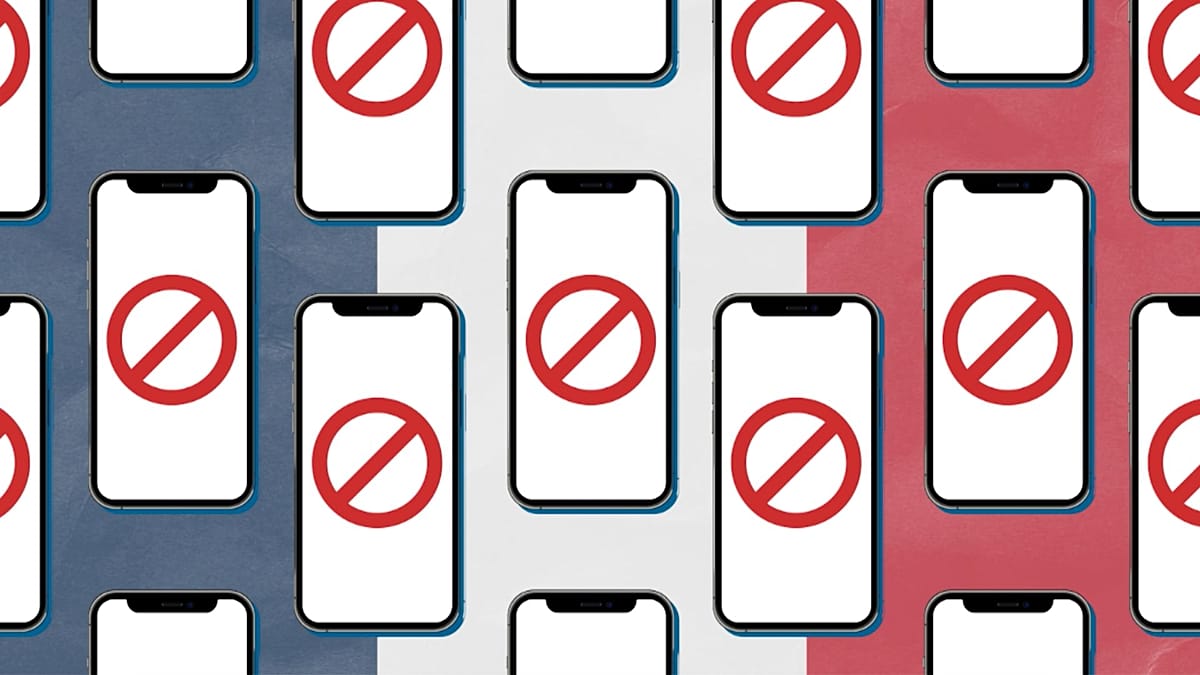
The push for age-appropriate restrictions comes amid growing concern across European capitals about the impact of social media on young people. Several member states, including France and Germany, have already explored national measures, but a coordinated EU-wide approach could set a global precedent. The proposals will need to navigate the bloc’s complex legislative machinery, involving the European Parliament and the Council of the EU, where national interests vary.
Von der Leyen’s stance also reflects a wider trend in Brussels to regulate digital platforms more aggressively. The Commission has already taken steps to curb addictive design and enforce transparency, as seen in its ongoing scrutiny of major tech firms. The new measures would complement existing frameworks like the General Data Protection Regulation (GDPR) and the DSA, potentially creating a more comprehensive safety net for minors online.
Critics, however, warn that age verification technologies raise privacy concerns and could be circumvented. The Commission will need to balance effectiveness with fundamental rights, a challenge that has dogged previous digital regulation efforts. For now, von der Leyen’s clear endorsement signals that the debate is shifting from whether to act to how best to implement restrictions.
The proposals are expected to be formally unveiled in the autumn, with a view to securing adoption before the end of the current Commission’s mandate. As von der Leyen put it, the goal is not to ban children from the digital world but to ensure that their entry into it is safe and age-appropriate.