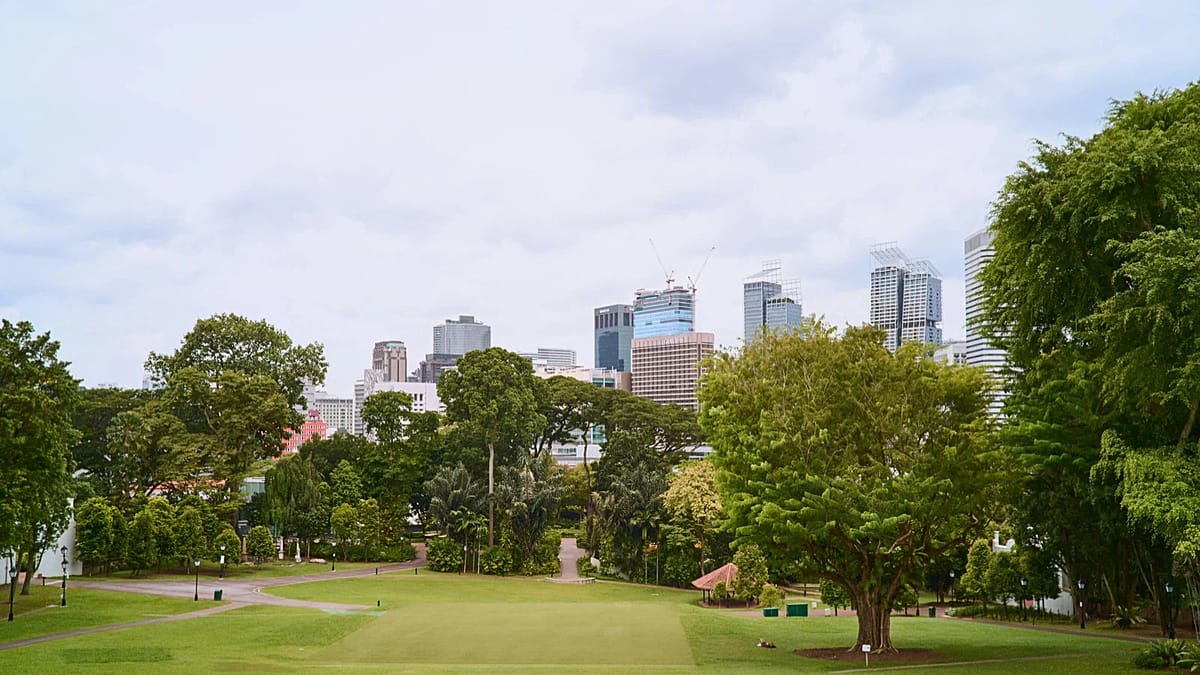
Living close to parks, gardens, or tree-lined streets may do more than lift your mood—it could also protect your brain as you age. A new study from Stockholm University and the Karolinska Institute in Sweden has found that people whose homes are surrounded by greenery have a significantly lower risk of developing dementia.
The research, published in the journal Alzheimer's & Dementia, followed nearly 3,000 participants over 16 years. The team mapped the amount of vegetation around each person's home and tracked their cognitive health throughout the period. The results showed that those living in greener neighbourhoods were 20% less likely to develop dementia than those with little green space nearby.
“This highlights the immediate environmental surroundings of the home as an important piece in creating conditions that support brain health and healthy ageing,” said Cecilia Stenfors, research leader and co-first author of the study.
Why proximity matters
The strongest protective effect was observed for greenery within 100 metres of the home. As the distance increased, the association weakened—suggesting that regular, easy access to nature is key. The authors point to several possible mechanisms, from direct psychological benefits to indirect health improvements.
“Natural environments and greenery can support psychological restoration, reduce stress and enhance feelings of well-being,” Stenfors explained. Green spaces may also encourage physical activity, better sleep, and stronger social ties—all of which are known to influence brain health.
In addition, vegetation can shield residents from harmful environmental exposures such as traffic noise, air pollution, and extreme heat, which have been increasingly linked to cognitive decline.
Urban planning as a public health tool
The findings arrive as Europe faces a rising dementia burden. In 2025, an estimated 9 million people in the European Union are living with dementia, and that number is projected to exceed 14 million by 2050. The authors argue that this growing challenge calls for new strategies, including sustainable urban design that prioritises brain health.
“Brain health needs to be considered when we plan and develop our cities and residential environments,” said Stenfors. “Greenspace around our homes can be a shared resource for public health, climate adaptation and biodiversity.”
The study's authors stress that protecting existing vegetation and creating accessible green areas for people of all ages and abilities should be a priority for municipalities across the continent.
The link between environment and brain health is gaining attention beyond this study. Neurologist Ulf Kallweit, co-chair of the environmental influences task force at the European Academy of Neurology, told Euronews Health: “The direct environment, but also the broader environment in terms of housing organisation, has an impact on your sleep and overall also on your brain health.”
As European cities grapple with housing density and climate adaptation, integrating green spaces into residential planning could offer a dual benefit: healthier citizens and more resilient urban ecosystems. For policymakers from Lisbon to Tallinn, the message is clear—nature is not a luxury, but a fundamental component of public health infrastructure.